 Abraham
Pizza in Italy is more than just food; it is a cultural symbol that connects family traditions, regional pride, and centuries of culinary heritage. While the rest of the world experiments with bold and sometimes unusual toppings, Italians remain faithful to ingredients that celebrate freshness, simplicity, and quality. In my kitchen, I’ve often found that the best pizzas are not the ones overloaded with countless flavors, but those that highlight a few carefully selected toppings, allowing each one to shine.
When I traveled through Italy, I noticed that every region had its own way of showcasing pizza toppings. In Naples, the birthplace of pizza, the flavors leaned toward minimalism with an emphasis on tomato, mozzarella, and basil. In Rome, the toppings were slightly more adventurous, with vegetables, cured meats, and cheeses layered over thin, crispy crusts. What stood out everywhere was the dedication to authenticity, where every topping had a story behind it. This has inspired me to bring together a list of the 10 best pizza toppings loved in Italy, the ones that continue to define the true essence of Italian pizza.
Margherita – Tomato, Mozzarella, and Basil
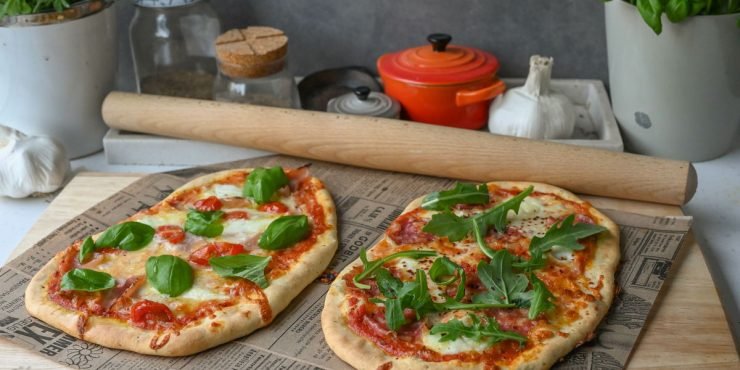
The Margherita is the most iconic pizza topping in Italy and remains a symbol of simplicity and perfection. Its colors mirror the Italian flag with red tomatoes, white mozzarella, and green basil. What I love most about this topping is its balance. The tang of ripe tomatoes blends beautifully with the creamy melt of mozzarella, while the fresh basil leaves add a burst of herbal fragrance. Every bite carries a sense of tradition, a reminder that less truly can be more.
When I prepare Margherita at home, I always use San Marzano tomatoes, which are known for their sweetness and low acidity. Fresh mozzarella di bufala makes the pizza richer, and the basil, added just before serving, completes the experience. Italians value the authenticity of this topping, and it continues to be loved not only because of its taste but also because of the story it carries from Naples.
Prosciutto Crudo
Prosciutto crudo, or cured ham, is one of the most elegant pizza toppings in Italy. Unlike cooked ham, prosciutto is sliced paper-thin and placed on the pizza after it comes out of the oven. This keeps its delicate flavor intact and prevents it from drying out. The salty richness of prosciutto pairs beautifully with the mildness of mozzarella or a touch of arugula, creating a balance between savory and fresh.
In Italian homes, prosciutto is a celebratory topping. I’ve enjoyed countless gatherings where a freshly baked pizza was laid on the table, topped with ribbons of prosciutto that almost melted on the hot crust. The flavor is unmistakably Italian and reflects the country’s deep love for artisanal cured meats. It is no wonder that prosciutto crudo is one of the most requested pizza toppings across Italy.
Funghi – Mushrooms
Mushrooms, or funghi, are another topping that Italians adore. What makes them special is their earthy depth, which enhances the natural flavors of pizza without overpowering them. In Italy, porcini mushrooms are often used when in season, but champignons are more common and widely available.
I’ve always enjoyed mushroom-topped pizza on cool autumn evenings when the earthy scent feels comforting. The slight chew of the mushrooms contrasts with the crisp crust and gooey mozzarella, making it a favorite for many. Italians often drizzle a little olive oil over mushroom pizzas to bring out their full aroma, and sometimes combine them with truffle shavings for a more luxurious experience.
Carciofi – Artichokes
Artichokes, or carciofi, hold a special place in Italian cuisine, and they make a delightful pizza topping. Their slightly tangy, nutty flavor gives the pizza a unique taste that feels refreshing and different. Artichokes are often marinated in oil before being added, which enhances their flavor and keeps them tender during baking.
When I first tried artichokes on pizza in Rome, I was amazed by how they transformed the entire experience. Combined with mozzarella and tomato, they added layers of complexity that made each bite intriguing. Italians especially enjoy artichokes in spring when they are at their freshest. On pizza, they represent a love for seasonal vegetables that defines much of Italian cooking.
Salame Piccante
Salame piccante, a spicy cured sausage similar to what many outside Italy call pepperoni, is one of the boldest pizza toppings enjoyed in Italy. Its fiery kick brings warmth to every bite, balanced perfectly by the creamy cheese and slightly sweet tomato sauce.
I often use thin slices of salame piccante when making pizza for friends, especially on colder nights when we crave something with a little heat. Italians love this topping because it awakens the taste buds without overwhelming the other ingredients. The contrast between spice, saltiness, and richness is a true celebration of flavor.
Olive Nere – Black Olives
Black olives, or olive nere, are a common yet much-loved pizza topping in Italy. Their briny taste adds a Mediterranean touch that connects pizza to its coastal roots. Olives pair well with anchovies, capers, or just a simple Margherita base, bringing depth to the overall flavor profile.
I always find that olives bring a touch of elegance to pizza. When combined with other toppings like artichokes or mushrooms, they create harmony and highlight the richness of Italian ingredients. Many pizzerias in Italy use locally grown olives, making every bite a tribute to the country’s agricultural pride.
Cipolle – Onions
Onions may seem simple, but on pizza, they become sweet, soft, and incredibly flavorful when baked. Italians often use red onions for their natural sweetness, which balances the acidity of tomato sauce beautifully. Sometimes they are caramelized beforehand, adding an even richer taste.
In my experience, onion pizzas are comforting and satisfying, often enjoyed in casual family settings. The flavor is mild yet distinctive, making onions a topping that appeals to many without overwhelming the senses. Italians love how onions highlight the rustic nature of pizza, connecting it to the tradition of home cooking.
Tonno – Tuna
Tuna may surprise those unfamiliar with Italian pizza, but it is a popular topping, especially in coastal regions. Combined with onions or capers, tuna adds a hearty and savory flavor that makes the pizza stand out. Italians often use canned tuna packed in olive oil, which blends well with the other toppings.
I remember the first time I tried tuna pizza in Sicily, where the taste felt both familiar and new. The richness of the tuna was balanced by the freshness of the tomato and the chew of the crust. It is a topping that shows how Italians embrace the bounty of the sea, incorporating it naturally into their cuisine.
Rucola – Arugula
Arugula, or rucola, is a topping that is typically added after baking. Its peppery freshness cuts through the richness of the cheese and tomato, making each bite feel lighter and more refreshing. Rucola pairs beautifully with prosciutto or shaved Parmesan, creating a contrast between freshness and indulgence.
In my kitchen, I often use arugula when I want to give pizza a vibrant, green touch. It adds not just flavor but also a visual beauty that makes the pizza look as fresh as it tastes. Italians love this topping for its simplicity and how it transforms the pizza into something bright and lively.
Parmigiano Reggiano
Parmigiano Reggiano, the king of cheeses, is sometimes used as a finishing topping on pizza. Grated over hot pizza just before serving, it melts slightly and enhances the flavors already present. Its nutty, salty notes create an extra layer of richness that makes pizza even more satisfying.
I often keep a block of Parmigiano in my kitchen, and sprinkling it over pizza always feels like the final touch of authenticity. Italians value this cheese not only for its flavor but also for its heritage, as it reflects centuries of tradition. On pizza, it reminds us that even the simplest dish can be elevated with the right ingredient.
Conclusion
Pizza toppings in Italy reflect a deep respect for ingredients, tradition, and balance. Each of these ten toppings, from the classic Margherita to the fresh bite of arugula, has earned its place on Italian tables because of the way it highlights pizza’s versatility while staying true to simplicity. What makes them so loved is not just their taste but the stories they carry, from the fields of Campania to the coasts of Sicily.
When I make pizza at home, I always draw inspiration from these Italian favorites. They remind me that great pizza does not require complexity but rather an appreciation for quality and authenticity. These toppings show why pizza remains a dish loved across the world yet still deeply rooted in the heart of Italy.


Add comment