 Abraham
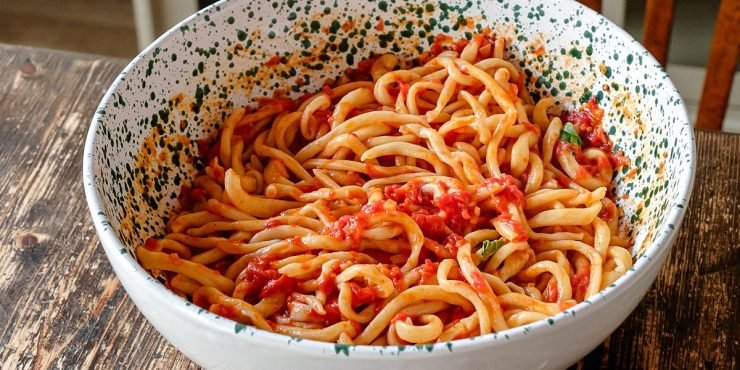
Tuscan cooking is filled with simple, rustic dishes that celebrate the beauty of fresh ingredients and age-old traditions. One of the most iconic examples is pici pasta, a thick, hand-rolled noodle that captures the heart of Tuscany’s culinary identity. Unlike machine-made pasta, pici has an uneven, handmade charm that gives every bite a different texture, and when paired with garlic and olive oil, it becomes a dish that feels both humble and extraordinary. I find that every time I make this recipe, I am reminded of the countryside kitchens where food is more about care than perfection. It is a dish that tells the story of Tuscan families who relied on flour, water, and a bit of effort to create something satisfying and soulful.
The Origins of Pici Pasta
Pici pasta is one of those dishes that has stood the test of time. It comes from the Siena region of Tuscany, where families have been making it for centuries using nothing more than flour and water. Some households add a splash of olive oil or egg, but traditionally, pici remains eggless, keeping it hearty and rustic. The history of pici tells us something about Tuscan life. This was a land of farmers and workers who needed food that was both filling and inexpensive. Wheat was plentiful, and pasta could be stretched into long ropes by hand without the need for expensive equipment.
When I think of pici, I think of its place in Tuscan gatherings. It was often served during celebrations, rolled out on large wooden tables where everyone in the family helped. The children would twist the dough, the adults would make sure the strands were even enough, and at the end, a giant pot of boiling water would welcome the fruits of their labor. It is a dish that embodies community and tradition.
The Magic of Garlic and Olive Oil
The traditional sauce for pici pasta with garlic and olive oil is known locally as aglione, which literally means “big garlic.” Tuscan garlic cloves are larger and milder than the varieties many of us are used to, and when they are gently cooked in olive oil, they turn sweet and aromatic. What makes this sauce particularly special is its simplicity. You don’t need cream, cheese, or elaborate ingredients. Just garlic, olive oil, and sometimes a splash of tomato or chili.
When I prepare this sauce, I always focus on the quality of the olive oil. A peppery, green Tuscan oil gives the dish its backbone. It clings to the noodles and brings out the best in the garlic. The garlic, in turn, softens into the oil and perfumes the entire kitchen. This combination has been cherished for centuries because it makes such an impact with so little.
Rolling Pici by Hand
One of the most enjoyable parts of making pici pasta is rolling it out by hand. Unlike spaghetti, which is thin and uniform, pici has personality. Each strand is slightly different in thickness, and that variation is what makes it so delightful. The process begins by mixing flour and water into a dough that is firm yet pliable. After resting, the dough is rolled out into thick ropes, almost like rolling clay between your palms.
There is no machine that can truly capture the essence of pici. Each noodle is unique, and that unevenness allows the sauce to cling to it differently. When I roll the strands, I often find myself lost in the rhythm, as if I am connected to those generations of Tuscan cooks who did the same thing centuries ago.
Cooking Pici to Perfection
Cooking pici requires patience because the noodles are thicker than typical pasta. They need more time in boiling salted water, often around ten minutes or more depending on the thickness. I always make sure to salt the water generously, because the pasta itself is plain and benefits from that seasoning. The key is to taste a strand and check for that balance between chewiness and softness. Pici should never be mushy, but it should not be hard in the center either.
What I love most is how the thick strands soak up the sauce after cooking. Once drained, they are quickly tossed with the garlic and olive oil so that every twist and curve is coated. The pasta and sauce become inseparable, each enhancing the other in flavor and texture.
The Role of Ingredients in Authentic Flavor
What makes Tuscan pici pasta with garlic and olive oil stand out is not just the technique, but the ingredients themselves. Flour is the base of the pasta, and a good-quality Italian flour makes a noticeable difference in the final result. The olive oil must be fresh, preferably extra virgin, with the kind of fruity sharpness that comes from Tuscan groves. Garlic, ideally local and large, provides sweetness when gently simmered in oil.
Some variations include a splash of white wine or tomato to add depth to the sauce. Others might finish the dish with a sprinkle of pecorino cheese, although the most traditional version relies only on the garlic and oil. When I make it, I often stay true to the essentials, letting the ingredients speak for themselves.
Cooking as a Tuscan Tradition
Making pici pasta is more than cooking; it is about connecting to a region’s way of life. Tuscany is famous for its respect for simplicity and flavor. The people of this region believe in celebrating ingredients rather than masking them with heavy sauces or complicated techniques. This philosophy is what makes Tuscan food so enduring.
When I prepare pici, I feel like I am honoring that philosophy. The act of rolling the dough and simmering garlic is as much a ritual as it is a recipe. It is about slowing down and respecting the process. In a world where so much food is rushed, Tuscan cooking asks us to be patient and intentional.
Pairing Pici with Wine
Like most Tuscan dishes, pici pasta with garlic and olive oil is best enjoyed with wine. A glass of Chianti, with its bright acidity and notes of cherry, complements the richness of the olive oil and balances the garlic’s intensity. The combination elevates the meal into something greater than the sum of its parts. I often find that sipping wine alongside this dish creates a dining experience that feels truly Tuscan, even if I am far from the rolling hills of Siena.
Serving and Enjoying the Dish
Once the pasta is tossed in garlic and olive oil, it is ready to serve immediately. I prefer to eat it hot, while the oil is still glistening and fragrant. Some people like to add a pinch of chili flakes for a little heat, which is a wonderful way to give the dish another layer of flavor. Others might sprinkle breadcrumbs over the top, adding a crunch that contrasts beautifully with the chewy noodles.
What never changes is the sense of comfort this dish brings. It is hearty, satisfying, and full of character. Every bite tastes like home, even if home is far from Tuscany.
Why Pici Pasta Endures
The endurance of pici pasta in Tuscan cuisine speaks volumes about the power of simplicity. In a world filled with gourmet inventions and modern interpretations, this dish has never lost its charm. People still gather in Tuscan kitchens to roll out strands of dough, still simmer garlic in olive oil, and still serve pici as a centerpiece of family meals.
For me, making pici is not only about enjoying a delicious plate of pasta. It is about connecting to a tradition that values authenticity and craftsmanship. It is about celebrating food that is nourishing both to the body and the soul.
Conclusion
Tuscan pici pasta with garlic and olive oil is proof that some of the most satisfying dishes are the simplest. With just flour, water, garlic, and olive oil, you can create a meal that feels rich in flavor and culture. Rolling the pasta by hand may take time, but it is time well spent, turning a handful of ingredients into something deeply rewarding.
Every time I prepare this dish, I am reminded of the importance of slowing down and appreciating the process. The rolling of the dough, the simmering of the garlic, and the final toss of pasta in golden oil are all parts of a tradition that has lasted for centuries. It is a dish that captures the heart of Tuscany and delivers it to your table.
Pici pasta with garlic and olive oil is not just food; it is a celebration of simplicity, a connection to history, and a reminder that the most beautiful meals often come from the humblest beginnings.


Add comment