 Abraham
Cooking while traveling in an RV or camping under the stars often feels like an adventure in itself, and pasta has become one of my go-to meals for these moments. It’s quick, satisfying, and versatile, but what makes it truly special is how the shape of the pasta transforms the way a sauce clings to it. Over time, I’ve come to appreciate that pairing pasta shapes with the right sauces isn’t just a culinary detail, it’s an art form that can turn an ordinary meal into a memorable one.
When I’m on the road, ingredients may be limited, but with a little planning, I can create pasta dishes that taste as though they were made in a rustic Italian kitchen. From delicate strands to chunky tubes, each pasta type has a personality that deserves to be matched thoughtfully with its sauce. This is where the fun begins, because discovering the perfect combinations feels almost like unlocking a secret of Italian cooking.
Long Pasta for Smooth Sauces
Spaghetti, linguine, and fettuccine are the classic choices when I want to work with sauces that are smooth and even. Their long strands allow them to twist gracefully around a fork, picking up a balance of pasta and sauce with every bite. For example, spaghetti with a tomato-based marinara has always been a staple in my RV pantry. The simplicity of the sauce, made from canned tomatoes, garlic, and olive oil, binds perfectly with spaghetti because the thin, round strands provide the right amount of surface area.
Linguine works beautifully with olive oil-based sauces, especially those infused with herbs or seafood. I once cooked linguine with clams while parked at a campsite near the coast, and the way the linguine captured the briny juices was unforgettable. Fettuccine, on the other hand, is wide and flat, making it a great match for creamy sauces like Alfredo. The sauce clings generously to each ribbon, so every bite is indulgent and rich.
Short Pasta and Chunky Sauces
When I’m working with thicker or chunkier sauces, short pasta varieties come into play. Shapes like penne, rigatoni, and fusilli thrive on holding bits of vegetables, meat, or beans. Their ridges and hollow spaces create little pockets that trap sauce in ways long pasta cannot.
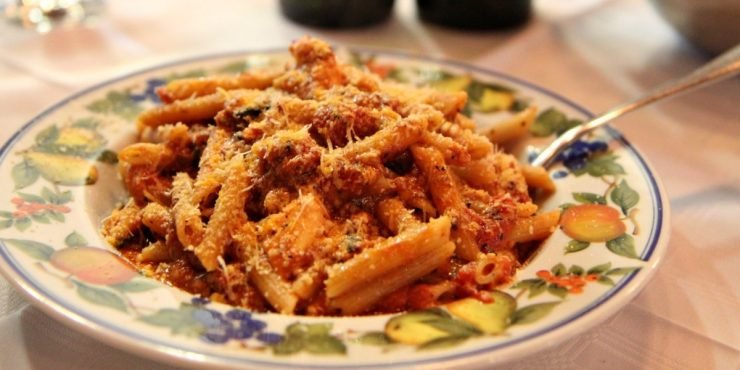
Penne arrabbiata has been a lifesaver for me on camping nights when I want something hearty and filling. The spicy tomato sauce seeps into the tubes, making each piece burst with flavor. Rigatoni is even larger, and I love using it with a slow-cooked ragù. The depth of the sauce gets locked into the ridges, so the experience isn’t just about pasta but the texture of the sauce itself. Fusilli, with its spiraled shape, feels playful yet practical. I often toss it with roasted vegetables and pesto while on the road because the curves catch bits of basil and Parmesan so well.
Delicate Shapes and Light Sauces
Some pasta shapes feel too delicate for heavy sauces, and I’ve learned to match them with lighter options. Capellini, often called angel hair, is one such example. Its fine strands are best with delicate olive oil or light tomato sauces. I once tried pairing it with a creamy sauce, and it ended up overwhelming the pasta. Since then, I stick to lighter toppings like cherry tomatoes sautéed with garlic and basil.
Orecchiette, though small, has a unique concave shape that reminds me of tiny cups. These little bowls are fantastic for holding small ingredients like peas, beans, or crumbled sausage. A simple combination of orecchiette with broccoli rabe and olive oil has been a favorite on the road because it feels balanced yet deeply flavorful. Farfalle, often known as bow-tie pasta, works best with light cream or vegetable sauces. The pinched center and wide edges give variety in texture, which makes every forkful interesting.
Rustic Pasta with Rustic Sauces
While traveling through regions with strong culinary traditions, I’ve noticed how rustic pasta shapes pair beautifully with equally rustic sauces. Pappardelle is a perfect example. These wide, flat ribbons are ideal for hearty meat sauces. I once prepared pappardelle with a mushroom and red wine sauce while camping in a forested area, and the earthiness of the mushrooms married wonderfully with the texture of the pasta.
Tagliatelle is another ribbon pasta but slightly narrower than pappardelle. It’s famous for being paired with ragù alla Bolognese, and for good reason. The sauce adheres well to the wide ribbons without being too heavy. When I can’t find ground beef while traveling, I’ve substituted with lentils, and the pairing still works perfectly.
Pasta Shapes Built for Cheese and Cream
When I crave creamy or cheesy dishes, certain pasta shapes consistently rise to the occasion. Shells, known as conchiglie, are designed to hold pockets of sauce or melted cheese. I’ve made mac and cheese using medium-sized shells, and every bite felt like it contained a little treasure chest of gooey cheese.
Cavatappi, a corkscrew-shaped pasta, is another favorite for creamy dishes. It’s sturdy, fun to eat, and its curves hold cheese sauce in a way that makes it feel indulgent. While parked near a mountain trail, I once cooked cavatappi with a three-cheese sauce, and it became the perfect comfort food after a long day of hiking.
Pasta for Soups and Stews
Cooking pasta in soups is one of my favorite tricks while traveling because it stretches ingredients into a complete meal. Tiny shapes like ditalini, orzo, and pastina fit perfectly into broths. Ditalini makes minestrone hearty without overpowering the vegetables. Orzo resembles grains of rice and works well in chicken soup, adding body without taking away from the broth. Pastina, often used in Italian comfort food, is a tiny star-shaped pasta that’s excellent in simple broths, especially on colder camping nights.
I’ve often cooked a pot of vegetable soup with ditalini while boondocking, and the pasta not only bulked up the soup but also absorbed the flavors, making the dish richer. It’s meals like these that remind me why pasta and sauces are such versatile companions for RV living.
Experimenting on the Road
Pairing pasta shapes with sauces doesn’t always have to follow strict rules. Sometimes, it’s about experimenting with what I have available. While parked at a remote site, I once found myself with only fusilli and a jar of clam sauce. Though it wasn’t a traditional match, the spirals worked surprisingly well, and the dish became a happy accident. On another occasion, I swapped rigatoni for penne in a pesto dish, and the change gave me a new appreciation for how flexible pasta pairings can be.
These experiments have taught me that while Italian tradition offers valuable guidance, creativity also has a place in the kitchen. For RV cooking, where pantry space is limited, this adaptability is essential.
Pairing Pasta with Seasonal Ingredients
One of the joys of RV travel is being able to stop at local farmers’ markets and bring seasonal ingredients into my dishes. Fresh tomatoes in the summer, wild mushrooms in the fall, and greens in the spring all influence the way I pair pasta with sauces. In the summer, I lean toward lighter shapes like linguine or capellini with fresh tomato or basil sauces. In the fall, I gravitate toward pappardelle or rigatoni with heavier, earthy sauces like mushroom ragù.
These seasonal adjustments not only keep meals exciting but also create connections between the landscapes I’m traveling through and the food on my plate.
Why Pasta Pairing Matters on the Road
At first, I thought pasta pairing might be too fussy for RV cooking, but I’ve realized that it makes all the difference. When the right pasta meets the right sauce, even the simplest ingredients feel elevated. It’s not about recreating a fine-dining experience, but about making the most of what’s available and appreciating how textures and flavors interact.
Meals in the RV are about comfort, satisfaction, and a sense of discovery. By paying attention to how pasta and sauces work together, I’ve been able to create meals that not only fill me up but also make travel more flavorful.
Conclusion
The art of pairing pasta shapes with sauces is a journey that combines tradition, creativity, and practicality, especially for life on the road. Each pasta shape tells a story and finds its voice when paired with the right sauce. Whether it’s the silky embrace of linguine with clam sauce, the hearty bite of rigatoni with ragù, or the comforting warmth of orzo in a soup, these combinations bring depth to my meals wherever I travel.
Cooking pasta in an RV or at a campsite may come with limitations, but those very limitations spark creativity. By understanding how pasta and sauces work together, I can turn modest ingredients into memorable dishes. This art isn’t confined to Italian kitchens, it belongs at every campsite, every RV table, and every outdoor gathering where pasta finds its way into a pot.


Add comment