 Abraham
Italian food is one of those culinary traditions that feels both comforting and celebratory. At the heart of every memorable Italian meal is not just the pasta itself, but the sauce that brings the dish to life. Over the years, I’ve found that knowing a few classic sauces can completely transform the way I cook, whether I’m in my kitchen at home or whipping up a meal in my RV after a long day on the road. These sauces are simple at their core, but each carries generations of tradition and endless potential for variation. Mastering them will make any pasta dish feel authentic, flavorful, and unforgettable.
The Foundation of a Great Sauce
Before diving into specific recipes, it helps to think about what makes a sauce stand out. For Italian cooking, balance is everything. The richness of olive oil, the acidity of tomatoes, the aroma of garlic, and the depth of herbs all need to work together instead of fighting for attention. Pasta is often thought of as the main event, but in truth, it’s the sauce that makes each meal distinct. Once you have a grasp of the classics, you’ll see how easy it is to adapt them with what you have on hand, making them perfect for camping trips or quick weeknight dinners.
Classic Marinara Sauce
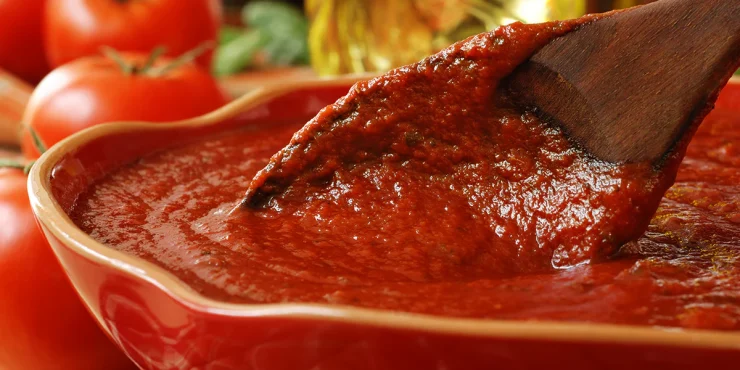
If I had to start anywhere, it would be with marinara. This tomato-based sauce is the most versatile of them all, working with spaghetti, penne, or even as a base for baked dishes like lasagna. A good marinara relies on high-quality canned tomatoes, plenty of garlic, and just enough olive oil to give it body. I usually sauté garlic in olive oil until it’s fragrant, then add crushed tomatoes, salt, and fresh basil. Simmering it for about 20 minutes is enough to bring out a deep, slightly sweet flavor that pairs with nearly everything. It’s also one of the easiest sauces to make when you’re on the go, requiring little more than a pot and a few pantry staples.
Creamy Alfredo Sauce
Alfredo has a reputation for being indulgent, and for good reason. It’s rich, velvety, and satisfying in a way few sauces are. Traditional Alfredo is made with butter, Parmesan cheese, and a splash of pasta water, creating a creamy texture without the need for heavy cream. In American kitchens, cream is often added to give it more body, which makes it easier to prepare for larger groups. Whenever I cook Alfredo in my RV, I find it’s a crowd-pleaser because of its simplicity. It pairs best with fettuccine, allowing the sauce to cling to each strand of pasta. For an extra layer of flavor, I sometimes add sautéed mushrooms or grilled chicken.
Pesto alla Genovese
Few sauces bring freshness to the table quite like pesto. Originating in Genoa, pesto combines basil, garlic, pine nuts, Parmesan, and olive oil into a vibrant, green sauce. The key is to keep it raw, letting the fresh ingredients speak for themselves. While the traditional method calls for a mortar and pestle, a small food processor works just as well when space is tight. I often make pesto in advance, store it in a jar, and bring it along for camping trips since it keeps well in the cooler. It’s fantastic with pasta, but I also use it as a spread for sandwiches or drizzled over grilled vegetables.
Bolognese Sauce
When I want something hearty, I turn to Bolognese. This meat-based sauce is rich, slow-cooked, and layered with flavor. Ground beef and pork form the foundation, sautéed with onions, carrots, and celery before being simmered with tomatoes, wine, and a touch of milk. The long cooking time allows the flavors to meld into a deeply satisfying sauce. Traditionally paired with tagliatelle, Bolognese is also delicious with rigatoni or pappardelle. While it’s not the quickest sauce to make on the road, preparing it ahead of time and reheating it in the RV works perfectly, giving you a taste of Italy even in the middle of a camping trip.
Carbonara
Carbonara is one of those sauces that feels deceptively simple but requires a bit of technique to get right. It’s made with eggs, Pecorino Romano, pancetta or guanciale, and black pepper. The trick is to toss the hot pasta with the egg and cheese mixture off the heat, creating a silky sauce without scrambling the eggs. When done correctly, the result is a luxurious, peppery dish that feels indulgent yet light. I’ve learned that using the pasta cooking water to adjust the consistency makes all the difference. It’s a sauce that requires attention but rewards you with unforgettable flavor.
Amatriciana
This Roman classic doesn’t get nearly enough attention outside of Italy. Made with guanciale, tomatoes, Pecorino Romano, and chili flakes, Amatriciana has a slightly spicy, smoky quality that sets it apart from other tomato-based sauces. It pairs beautifully with bucatini, whose hollow shape captures the sauce in every bite. On the road, I sometimes substitute pancetta for guanciale since it’s easier to find, but the results are still fantastic. It’s a sauce with bold personality, perfect for nights when I want something rustic yet lively.
Aglio e Olio
When time is short and ingredients are limited, aglio e olio is my go-to. This Neapolitan sauce is as simple as it gets, combining garlic sautéed in olive oil with red pepper flakes and a sprinkle of parsley. Despite its simplicity, it delivers an incredible punch of flavor. It’s best made with spaghetti, which absorbs the garlicky oil beautifully. I’ve often made this dish in under fifteen minutes, making it ideal after a long drive or a day of hiking. It proves that great Italian cooking doesn’t need to be complicated.
Putting It All Together
Having a repertoire of these sauces means I can always create something satisfying no matter where I am. Each one brings its own personality to the table, from the freshness of pesto to the richness of Bolognese. What I love most is how adaptable they are. If I don’t have fresh basil, I can make pesto with spinach or arugula. If I’m short on time, a quick aglio e olio does the trick. Mastering these sauces has allowed me to bring a little piece of Italy to my travels, even when I’m miles away from a proper kitchen.
Conclusion
Italian cooking is about tradition, but it’s also about adaptability. With just a handful of ingredients and a little know-how, you can create pasta sauces that rival any restaurant. From the comforting marinara to the bold Amatriciana, these classics are worth mastering because they serve as the backbone of so many memorable meals. I’ve found that whether I’m cooking at home or in my RV, these sauces never fail to impress and always make the meal feel special. Once you’ve practiced them a few times, you’ll discover how easily they become second nature, and from there, the possibilities are endless.


Add comment