 Abraham
Focaccia is one of those breads that always brings me comfort, not just because of its flavor but because of the process of making it. The dough is simple, the ingredients are minimal, and yet the end result is a loaf that feels indulgent. The olive oil soaks into the bread, the rosemary perfumes the air as it bakes, and the crust forms a delicate balance between crispness and tenderness. This bread has deep Italian roots, and every time I make it, I feel like I’m connecting to a centuries-old tradition. In this article, I’ll share how I prepare focaccia in my own kitchen, weaving together history, culture, and step-by-step instructions so you can create your own loaf with confidence.
Origins of Focaccia
Focaccia is one of the oldest types of bread in Italian cuisine, tracing its roots back to ancient Rome. The name itself comes from the Latin word “focus,” meaning hearth or fireplace, because the bread was traditionally baked on hot stones or in wood-fired ovens. Over time, focaccia spread throughout Italy, with each region developing its own variations. In Liguria, the most famous version, focaccia alla genovese, is drizzled generously with olive oil and sprinkled with coarse salt. Other regions add toppings such as olives, onions, tomatoes, or even cheese, but the essence of focaccia remains the same: a well-oiled, flavorful flatbread that is both versatile and satisfying.
Why Olive Oil and Rosemary Work So Well
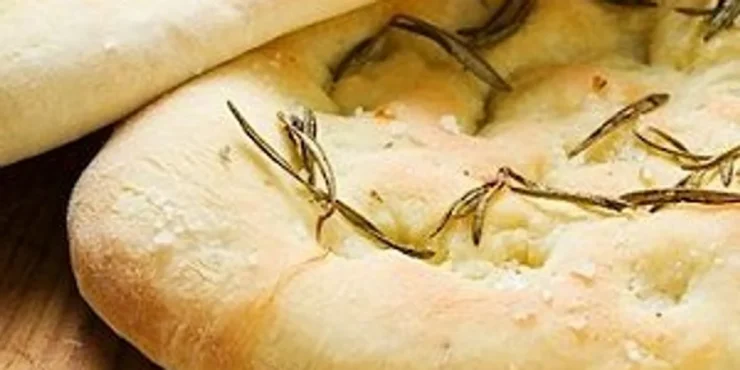
When I make focaccia, olive oil and rosemary are always my go-to ingredients. Olive oil adds not only moisture but also richness, soaking into the bread during baking and giving it a golden crust. Rosemary brings an earthy, pine-like aroma that complements the mild flavor of the dough perfectly. Together, they create a classic combination that feels rustic and elegant at the same time. You could certainly experiment with other herbs like thyme or sage, but rosemary and olive oil are the pair that give focaccia its unmistakable character.
Ingredients for the Dough
The dough for focaccia is straightforward, but the quality of the ingredients matters. For a standard loaf, I use the following:
- 500 grams (about 4 cups) of strong bread flour
- 325 milliliters (1 ⅓ cups) of warm water
- 10 grams (2 teaspoons) of fine sea salt
- 7 grams (2 teaspoons) of sugar or honey
- 7 grams (2 teaspoons) of instant yeast or 15 grams of fresh yeast
- 60 milliliters (¼ cup) of extra virgin olive oil, plus more for drizzling
- Fresh rosemary sprigs
- Flaky sea salt for finishing
Each of these ingredients has a role to play. The flour gives structure, the water hydrates, the yeast creates airiness, and the salt balances flavor. Olive oil enriches the dough, while rosemary and flaky salt provide fragrance and contrast.
Preparing the Dough
To start, I mix the warm water, yeast, and sugar in a large bowl, letting it sit for about five minutes until it begins to foam. This step ensures the yeast is active and ready to work. I then add the flour and salt, mixing until the dough begins to come together. At this stage, I drizzle in the olive oil, working it into the dough with my hands until it forms a shaggy ball. Kneading on a floured surface for about ten minutes transforms it into a smooth and elastic dough.
Once the dough feels soft and pliable, I place it in a lightly oiled bowl, cover it with a damp cloth, and let it rise in a warm spot for one to two hours, or until it doubles in size. This stage is always rewarding because I can see the yeast bringing life to the dough, filling it with tiny air bubbles that will later give the bread its distinctive texture.
Preparing the Pan
Focaccia needs a well-oiled pan to achieve its golden crust. I usually coat a rectangular baking tray with a generous layer of olive oil, making sure every corner is covered. After the first rise, I gently transfer the dough to the tray, pressing it out with my fingertips to fit the shape of the pan. The dimples I create in the surface are essential, as they hold pools of olive oil that seep into the bread during baking. These dimples also give focaccia its rustic appearance, reminding me that perfection is not the goal here, character and flavor are.
Adding Rosemary and Olive Oil
Before the second rise, I scatter fresh rosemary sprigs across the dough, pressing them gently into the surface so they infuse their aroma as the bread bakes. I drizzle more olive oil generously, letting it pool in the dimples. A sprinkle of flaky sea salt goes on top, providing contrast to the soft interior of the bread. Sometimes, I like to add a few thin slices of garlic or even halved cherry tomatoes, but olive oil and rosemary are the stars that never disappoint.
The Second Rise
Once topped, the dough needs another rest, about 30 to 45 minutes. This second rise allows the focaccia to become light and airy, ensuring the crumb will be open and soft once baked. I always cover the tray lightly with a cloth during this time to prevent the dough from drying out. Watching it puff slightly before it goes into the oven builds anticipation, as I know the bread will expand even more once the heat hits it.
Baking the Focaccia
I preheat my oven to 220°C (430°F) while the dough is rising. When the focaccia is ready, I slide the tray into the hot oven and bake it for 20 to 25 minutes, or until the top is golden and the edges are crisp. The smell of rosemary and olive oil filling the kitchen at this moment is irresistible. Once baked, I remove the tray and let the bread cool slightly before cutting. Focaccia is best enjoyed warm, when the crust still has a delicate crunch and the center is pillowy.
Serving Suggestions
Focaccia is versatile, and I love how many ways it can be served. Fresh out of the oven, it pairs perfectly with nothing more than a simple glass of wine. It can also be sliced horizontally to make sandwiches, stuffed with cured meats, cheese, or roasted vegetables. Sometimes I cut it into strips and serve it with dips like hummus or tapenade. Leftovers, if they survive long enough, can be toasted the next day and enjoyed with soup or salad. Its ability to adapt to different meals makes it a bread that never feels repetitive.
The Role of Focaccia in Italian Culture
In Italy, focaccia is more than bread, it’s part of daily life. In Liguria, locals eat it for breakfast, dipped into cappuccino. At bakeries, it is sold by the slice, wrapped in paper for people on the go. Each town has its own tradition: in Bari, focaccia is topped with tomatoes and olives, while in Recco, a thin, cheese-filled focaccia has become legendary. Making focaccia at home connects me to these traditions, even if my version is simpler. It reminds me that bread has always been more than sustenance; it is a symbol of sharing and community.
Variations to Try
Once you’ve mastered the basic focaccia with olive oil and rosemary, the possibilities are endless. You can add caramelized onions for sweetness, olives for brininess, or sun-dried tomatoes for tang. Cheese lovers can sprinkle Parmesan or Pecorino over the dough before baking. Sweet versions even exist, using sugar and fruits like grapes or figs. I often experiment with different combinations depending on the season, but rosemary and olive oil remain my favorite because they highlight the bread itself without overwhelming it.
Tips for Success
Making focaccia is not difficult, but small details make a big difference. Using high-quality olive oil is essential, as it carries much of the flavor. Don’t rush the rising process; patience allows the dough to develop depth and lightness. When dimpling the dough, press firmly but gently, ensuring the air pockets are preserved without deflating it completely. And finally, serve the bread fresh. Focaccia tastes best the day it is baked, although reheating can revive it for another day or two.
Why This Recipe Works for Beginners
One of the reasons I love this focaccia recipe is that it is approachable even for beginners. Unlike other breads that require precise shaping or scoring, focaccia welcomes imperfections. Its rustic appearance means that even if the dough spreads unevenly or the rosemary is scattered haphazardly, the end result will still be delicious. The steps are forgiving, the ingredients are simple, and the payoff is a bread that feels artisanal without demanding advanced skills. For anyone hesitant to start baking bread, focaccia is the perfect introduction.
My Experience with Focaccia
Every time I bake focaccia, I am reminded of why I love Italian cooking. It captures the essence of making something beautiful from simple ingredients. Kneading the dough, dimpling it with my fingers, watching it rise in the oven, all of these steps bring me closer to the tradition of home cooking. Sharing it with family or friends is even more rewarding, because the bread seems to invite conversation and connection. It’s not just about eating; it’s about creating an experience around the table.
Conclusion
Focaccia with olive oil and rosemary is a bread that represents everything I love about Italian cuisine. It is simple yet rich, rustic yet elegant, and deeply rooted in tradition while still inviting creativity. The process of making it is soothing, the aroma it releases is irresistible, and the flavor is unforgettable. Whether eaten on its own, used for sandwiches, or served alongside a meal, focaccia never fails to delight. Baking it at home gives me a sense of satisfaction that goes beyond taste, it connects me to history, culture, and the joy of sharing. With just flour, water, yeast, olive oil, and rosemary, you can create a bread that tells a story centuries in the making.


Add comment