
 Abraham
Pizza has always had a way of bringing people together. Whether it is a family dinner, a casual gathering with friends, or a solo night at home, the aroma of freshly baked pizza is enough to spark joy. The heart of a great pizza, however, is not the toppings or even the sauce, it’s the dough. Over the years, I’ve tested countless methods, adjusted techniques, and experimented with different types of flour and hydration levels. What I have settled on is a pizza dough recipe that works every single time, producing a crust that is flavorful, airy, and strong enough to hold the toppings while still being tender inside.
The Beauty of Homemade Pizza Dough
Making dough at home has an appeal that goes far beyond taste. The process itself is therapeutic and rewarding. The simple act of mixing flour, yeast, water, salt, and olive oil feels almost magical, especially when you watch the dough rise and come alive. Store-bought dough can be convenient, but it rarely compares to the freshness, flavor, and texture you can achieve when you make it yourself. I find that the crust develops more character, and the slight imperfections in shape make it even more charming.
Another advantage of homemade pizza dough is flexibility. You can control the hydration for crispiness, the fermentation for deeper flavor, and the baking method for a specific style, whether Neapolitan, Roman, or New York-style. Once you master a base recipe that consistently works, you can tweak it endlessly to suit your mood or occasion.
Ingredients That Make the Difference
The ingredient list for pizza dough might look simple at first glance, but every choice you make has an impact on the final result.
Flour
The flour you use sets the foundation for your pizza crust. High-protein bread flour is my go-to because it develops a stronger gluten structure, resulting in a chewier crust. If I want a softer bite, I might mix it with all-purpose flour. Italian “00” flour is another option if you want a lighter, silkier texture often used for Neapolitan-style pizza.
Yeast
Both instant yeast and active dry yeast work for pizza dough. I often prefer instant yeast because it integrates easily with the flour and does not require proofing in water before use. Active dry yeast, on the other hand, gives me a more traditional rise and slightly deeper flavor when I let it bloom in warm water.
Water
Water temperature is crucial. Lukewarm water, around 105°F to 110°F, activates the yeast without killing it. Hydration levels matter as well. A dough with higher hydration tends to be softer, more extensible, and creates a more open crumb when baked.
Olive Oil
Olive oil enriches the dough and helps it develop a tender interior. It also prevents the dough from drying out too quickly during fermentation. A drizzle of high-quality extra virgin olive oil adds a subtle fruitiness that enhances the overall flavor.
Salt
Salt strengthens the gluten structure, balances flavor, and slows yeast activity. I prefer fine sea salt for an even distribution. Skipping or reducing salt often results in bland, weak dough that lacks character.
Step-by-Step Method
The beauty of this pizza dough recipe is in its simplicity and consistency.
- Mixing the Dough
I start by combining the flour, yeast, and salt in a large bowl. Then I gradually pour in the lukewarm water and olive oil. I mix until the dough just comes together and begins to form a shaggy ball. - Kneading
Kneading is where the dough develops strength. I knead on a lightly floured surface for about 8 to 10 minutes until it becomes smooth and elastic. If I’m short on time or want to avoid the workout, I sometimes use a stand mixer with a dough hook. - First Rise
Once kneaded, I place the dough in a lightly oiled bowl, cover it with a damp cloth, and let it rise in a warm spot until it doubles in size. This usually takes about 1 to 2 hours. - Punching Down and Shaping
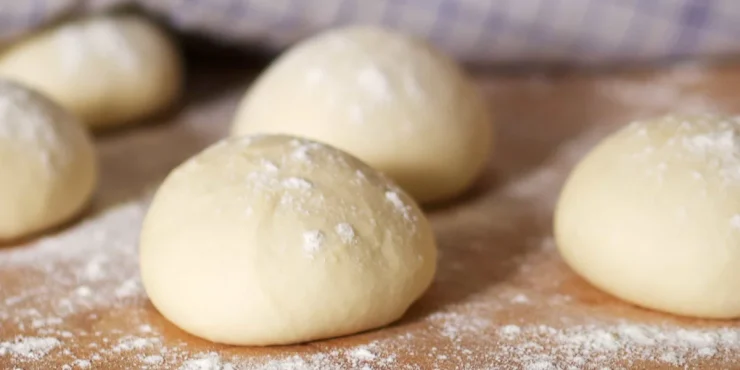
After the first rise, I gently punch down the dough to release excess gas. I then divide it into portions depending on the size of pizzas I plan to make. Each portion gets shaped into a smooth ball. - Second Rise or Cold Fermentation
If I have time, I let the dough rest again for about 30 minutes to an hour. When I want more flavor, I place the dough in the refrigerator overnight for cold fermentation. This slower rise enhances the depth of taste and makes the dough easier to handle. - Stretching the Dough
Instead of using a rolling pin, I stretch the dough by hand. This keeps the air bubbles intact, which contributes to a light, airy crust. I start from the center and gently push outward, rotating the dough until it reaches the desired size. - Baking
A very hot oven is essential. I preheat mine to 500°F with a pizza stone inside for at least 30 minutes. The stone absorbs heat and creates a crisp bottom crust. I slide the prepared pizza onto the stone using a peel and bake until the crust is golden and the cheese is bubbling, usually around 8 to 12 minutes.
Why This Recipe Works Every Time
Consistency is the most important factor when it comes to pizza dough. The ratios in this recipe are balanced in a way that provides structure without making the crust too dense. The kneading and rising process ensures proper gluten development and fermentation, while the olive oil enriches the dough for tenderness.
Another reason this recipe always works is its adaptability. It can be baked in a conventional oven, on a pizza stone, or even on a grill. Whether I want a thin, crispy crust or a thicker, more pillowy one, I can adjust the baking time and shaping method without worrying about failure.
Variations You Can Try
One of the joys of pizza dough is that once you master the base recipe, you can experiment with endless variations.
Whole Wheat Dough
Swapping half the bread flour with whole wheat flour creates a nutty, hearty flavor. It adds more fiber and nutrients while still retaining a chewy texture.
Herb-Infused Dough
Mixing dried herbs such as oregano, basil, or thyme into the dough gives it a fragrant aroma and extra flavor. Freshly chopped rosemary or garlic can also be added for a rustic touch.
Stuffed Crust
After shaping the dough, I sometimes tuck cheese or other fillings around the edges before sealing. This creates a decadent stuffed crust that makes every bite satisfying.
Sourdough Pizza Dough
Using a sourdough starter instead of commercial yeast gives the crust a tangy flavor and beautiful complexity. It takes more planning, but the results are worth the effort.
Tips for the Best Results
Even with a reliable recipe, a few simple tips can elevate your pizza dough.
- Measure accurately: Using a kitchen scale ensures precise measurements, especially for flour.
- Don’t rush fermentation: Allowing the dough to rest longer develops better flavor.
- Use high heat: The hotter the oven, the better the crust texture.
- Avoid overloading toppings: Too many toppings can weigh down the dough and make it soggy.
- Experiment with hydration: Adjusting the water content slightly can help you achieve your preferred crust style.
Serving and Enjoying
Once the pizza is baked, I let it rest for a couple of minutes before slicing. This allows the cheese to set slightly, making the slices easier to handle. Sharing it straight from the oven with family or friends is always the highlight of the experience. The combination of crispy edges, chewy bite, and flavorful toppings makes all the effort worthwhile.
For me, the best part of making pizza dough is the connection it creates. It’s more than just a meal, it’s a tradition, a craft, and a way to bring joy into everyday life. Every time I knead, stretch, and bake, I am reminded of the beauty of simplicity and the power of good food.
Conclusion
Pizza dough may seem like a humble mixture of flour, water, yeast, and salt, but when treated with care, it transforms into something extraordinary. This recipe is one I can always rely on because it produces a crust that balances chewiness, flavor, and crispness every time. Whether baked in a traditional oven or a wood-fired setup, it delivers consistently delicious results.
If you’re looking for a pizza dough recipe that truly works every time, this is the one to trust. With just a few basic ingredients, a little patience, and some passion, you can create pizzas that rival your favorite pizzeria. Once you master this recipe, pizza night at home will never be the same again.


Add comment