 Abraham
Pizza is more than just food in Italy, it’s a cultural treasure, a culinary ritual, and one of the nation’s most beloved contributions to the world. While dough and sauce often take the spotlight, no authentic Italian pizza would be complete without cheese. The right cheese transforms pizza from something ordinary into an extraordinary experience, adding creaminess, saltiness, richness, or tang, depending on the variety. Choosing the best cheeses for authentic Italian pizza means looking beyond just mozzarella and appreciating the variety of regional traditions that Italy has to offer.
The Role of Cheese in Italian Pizza
Cheese isn’t just a topping in Italian pizza, it’s a defining element that sets the tone for the entire pie. Its creaminess balances the acidity of tomato sauce, its richness enhances the flavors of meats and vegetables, and its meltability creates that irresistible texture that keeps us coming back. Italians view pizza cheese with the same reverence they give to wine or olive oil; it must be carefully selected to match the type of pizza being made.
Neapolitan pizza makers, for example, are meticulous about using mozzarella di bufala, while Roman-style pizzas might feature sharper or saltier cheeses for a bolder taste. The variety is endless, but tradition always guides the choices.
Mozzarella: The Heart of Italian Pizza
If there’s one cheese synonymous with authentic Italian pizza, it’s mozzarella. This soft, white cheese has been the gold standard for centuries. But not all mozzarella is the same, different types serve different roles in Italian pizza-making.
Mozzarella di Bufala
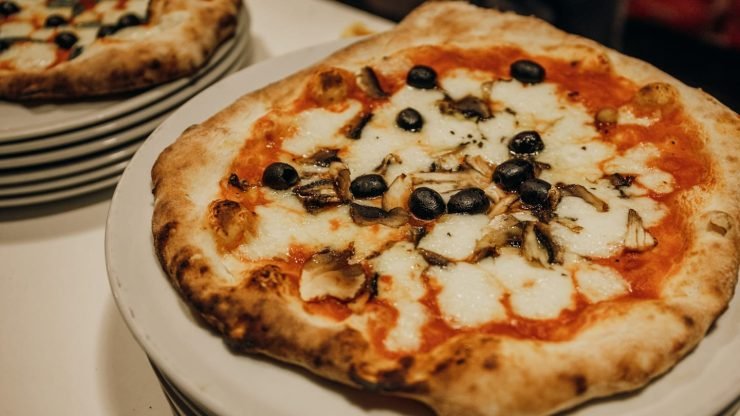
Made from the rich milk of water buffalo in southern Italy, particularly Campania and Lazio, mozzarella di bufala has an unmatched creaminess and tangy flavor. It’s a staple on Neapolitan pizzas, where its melt and moisture complement the thin, slightly charred dough. Because of its higher water content, mozzarella di bufala is best used fresh, torn into chunks, and added just before baking.
Fior di Latte
Fior di latte, made from cow’s milk, is lighter and less tangy than mozzarella di bufala. Its mild flavor makes it versatile, pairing well with almost any topping. It’s also less watery, which means it won’t make the dough soggy. This type of mozzarella is a favorite for Roman and Tuscan pizzas.
Smoked Mozzarella (Scamorza Affumicata)
For a rustic twist, many Italians use scamorza affumicata, a smoked mozzarella. Its firmer texture and smoky undertones make it ideal for pizzas with cured meats like speck or pancetta. The smokiness also gives the pizza a comforting, earthy depth.
Pecorino Romano: A Sharp Accent
Pecorino Romano, made from sheep’s milk, is one of Italy’s oldest cheeses, dating back to ancient Roman times. It has a hard, crumbly texture and a salty, sharp flavor that brings a punch to pizza. Unlike mozzarella, Pecorino isn’t meant to dominate, it’s typically grated lightly over pizzas for added complexity.
A classic example is pizza alla carbonara in Rome, where Pecorino Romano enhances the egg and guanciale toppings. It’s also sprinkled on white pizzas without tomato sauce to give them a robust bite.
Parmigiano Reggiano: The King of Cheeses
Parmigiano Reggiano, or Parmesan, is Italy’s most famous aged cheese. Made in northern Italy, it has a nutty, savory taste and crystalline texture that intensifies as it ages. While rarely used as the main cheese on pizza, it is often grated on top just before serving.
Adding Parmigiano Reggiano gives pizza an extra layer of umami and saltiness. It’s particularly common on pizzas with mushrooms, truffles, or vegetables, where it enhances the flavors without overwhelming them.
Provolone: A Bold and Melty Option
Provolone is a semi-hard cheese that varies from mild to sharp depending on how long it’s aged. In southern Italy, provolone piccante is a favorite for pizzas, adding a tangy, bold flavor. Its excellent melting properties make it a good partner for mozzarella, ensuring the pizza has both stretch and complexity.
In Calabria, provolone is sometimes combined with spicy toppings like ‘nduja sausage for a fiery, flavorful combination.
Gorgonzola: A Touch of Blue
Italy’s famous blue cheese, Gorgonzola, may not be traditional for every pizza, but it has its place in modern Italian pizza-making. Creamy and pungent, it creates an intense, luxurious flavor when paired with sweet or savory toppings.
Gorgonzola pairs especially well with walnuts, pears, or honey, creating a balance of salty, sweet, and earthy notes. This kind of pizza is popular in northern Italy, where bold cheeses are often featured.
Ricotta: A Creamy Contrast
Ricotta, made from whey, is soft, mild, and creamy. While it doesn’t melt like mozzarella, it adds a delicate richness to pizzas, often spooned on in dollops after baking. Ricotta is particularly popular in southern Italian white pizzas, paired with spinach, zucchini, or sausage.
In Sicily, ricotta salata, a firmer, salted version, is grated over pizzas for a salty and slightly tangy finish.
Burrata: The Indulgent Choice
Burrata has gained international fame in recent years, and for good reason. This cheese is essentially mozzarella filled with cream, creating an incredibly rich and decadent texture. On pizza, burrata is usually added after baking, allowing it to melt slightly while maintaining its creamy interior.
It pairs beautifully with fresh tomatoes, basil, or prosciutto, creating a luxurious pizza experience that feels both indulgent and fresh.
Regional Cheese Variations in Italian Pizza
Italy is a country where food is deeply tied to local identity, and cheese choices for pizza often reflect regional preferences.
In Campania, buffalo mozzarella reigns supreme, while in Rome, Pecorino Romano and Fior di Latte dominate. Up north, Gorgonzola and Fontina are common, especially in hearty pizzas with rich toppings. In Sicily, ricotta salata and caciocavallo are often featured.
Each region’s cheeses not only enhance the local pizzas but also tell a story of the land and traditions behind them.
Combining Cheeses for the Perfect Pizza
While traditionalists may prefer sticking to one cheese, many Italian pizzaiolos experiment with combinations. Mixing cheeses allows for both flavor complexity and texture balance.
For example, mozzarella provides melt and creaminess, while Parmesan adds sharpness and umami. Ricotta can soften the saltiness of Pecorino, while provolone can bring boldness to mozzarella’s mildness. The art lies in striking the right balance so no cheese overpowers the others.
How to Choose the Best Cheese at Home
If you’re making Italian pizza at home, selecting the right cheese depends on the style of pizza you’re creating. For Neapolitan-style pizza, mozzarella di bufala or Fior di Latte is essential. For Roman-style, add some Pecorino Romano. If you want a gourmet twist, try burrata or Gorgonzola after baking.
Freshness is also key. Authentic Italian cheeses, especially mozzarella and ricotta, are best used within days of being made. A trip to a local Italian market or cheese shop can make all the difference in achieving authentic flavor.
Conclusion
Authentic Italian pizza is a celebration of simplicity and balance, and cheese is the cornerstone of that harmony. From the creamy melt of mozzarella di bufala to the bold bite of Pecorino Romano and the luxurious richness of burrata, each cheese brings something unique to the table.
The best cheeses for authentic Italian pizza are not about excess but about choosing the right flavor for the right style. Whether you’re making a classic Margherita, a Roman white pizza, or an inventive northern Italian creation, the cheese you select will define your pizza. Embracing the variety of Italian cheeses not only enhances your cooking but also connects you to the centuries-old traditions that make pizza one of the world’s favorite foods.


Add comment