 Abraham
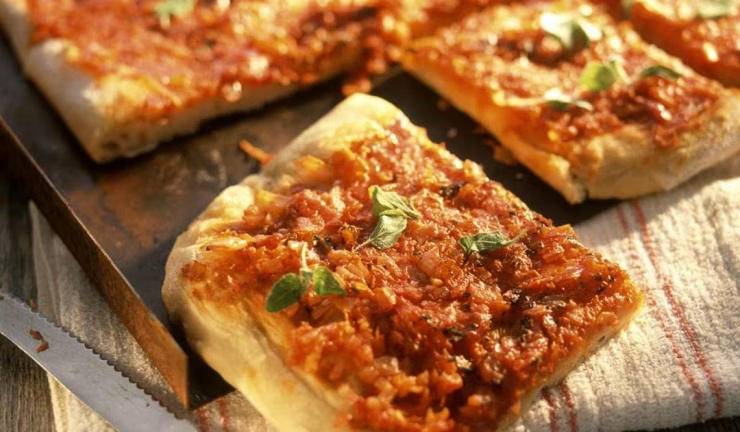
Sicilian cuisine has always fascinated me for its bold flavors, rustic character, and undeniable sense of comfort. Among the many regional specialties, one dish stands out as a truly unique take on pizza: Sicilian sfincione. This isn’t your typical thin-crust Neapolitan pie or crispy Roman-style square. Sfincione is thick, soft, and sponge-like, topped with a savory combination of onions, anchovies, breadcrumbs, and cheese that sets it apart from any other pizza.
Whenever I prepare sfincione in my kitchen, I feel like I’m bringing a little slice of Palermo’s street food culture into my home. It’s hearty, deeply satisfying, and steeped in centuries of Sicilian tradition. For anyone who loves Italian food, making this pizza at home is not only rewarding but also a way of connecting with a culinary heritage that dates back to the Middle Ages. Let me take you through what makes sfincione special, the history behind it, and of course, how you can bake it yourself.
A Slice of Sicilian History
Sfincione comes from the Sicilian word “sfincione,” which translates to “thick sponge.” This describes the texture of its crust perfectly, it’s fluffy yet sturdy enough to hold the hearty toppings. Unlike many pizzas we know today, sfincione doesn’t rely on fresh mozzarella or delicate toppings. Instead, it reflects Sicily’s resourceful spirit, using simple, affordable ingredients that were available to the locals: onions, salted anchovies, stale bread turned into crumbs, and aged cheeses like caciocavallo.
Historically, sfincione was often prepared for religious holidays and special occasions. Families would bake large trays of it to share, sometimes carrying it to church celebrations or community gatherings. Over time, it became a popular street food in Palermo, sold from carts by vendors who shouted “sfincione!” in the streets. Today, you can still find it wrapped in paper and served to hungry passersby, especially during festive seasons.
What’s remarkable about sfincione is that it represents a bridge between bread-making and pizza-making. It leans more toward focaccia than the thin-crust pizzas of Naples, but the way it incorporates toppings and cheese makes it distinctly pizza in character.
What Makes Sfincione Different
When people first encounter sfincione, they’re often surprised because it doesn’t resemble the classic pizzas they’re used to. Instead of a thin base with a few toppings, sfincione is almost like a casserole of flavors baked into one thick, golden tray. The dough itself is key, it’s soft, pillowy, and airy, often enriched with olive oil.
The toppings also stand apart. Onions are sautéed slowly until they become sweet and caramelized, anchovies are used to add a deep umami punch, and breadcrumbs provide a unique, crispy finish. Unlike mozzarella-heavy pizzas, sfincione uses cheese sparingly, with caciocavallo or pecorino sprinkled in layers for salty sharpness. The combination of textures, soft dough, sweet onions, salty anchovies, and crunchy breadcrumbs, makes every bite exciting.
This pizza isn’t meant to be delicate. It’s hearty, rustic, and designed to satisfy a crowd. If Neapolitan pizza is all about elegance and simplicity, sfincione is about generosity and comfort.
Ingredients You’ll Need
To prepare Sicilian sfincione at home, you’ll want to gather the following ingredients. The list may seem long, but most items are pantry staples or easy to find.
For the dough:
- 500g (about 4 cups) bread flour
- 325ml (about 1 ⅓ cups) warm water
- 7g (1 packet) active dry yeast
- 2 tablespoons olive oil
- 1 teaspoon sugar
- 1 teaspoon salt
For the topping:
- 4 large onions, thinly sliced
- 4 anchovy fillets (salt-packed or oil-packed)
- 3 tablespoons olive oil
- 400g (about 14 oz) canned tomatoes, crushed
- ½ cup grated caciocavallo cheese (or pecorino as a substitute)
- 1 ½ cups breadcrumbs
- 2 tablespoons grated Parmesan (optional)
- Fresh oregano or dried oregano to taste
- Salt and pepper to taste
Preparing the Dough
The base of sfincione is as important as the toppings. To get that soft, spongy texture, you’ll want to make a well-hydrated dough.
Start by mixing warm water, yeast, and sugar in a bowl, allowing it to activate for about 10 minutes until foamy. Combine the flour and salt in a large mixing bowl, then gradually add the yeast mixture along with olive oil. Knead until you have a smooth, elastic dough, which may take about 10 minutes by hand or 6 minutes with a stand mixer.
Place the dough in a lightly oiled bowl, cover it, and let it rise until doubled in size. Depending on your kitchen’s temperature, this could take 1 to 2 hours. The result should be a pillowy dough that feels light and airy when you press it.
Building the Topping Layers
The magic of sfincione lies in its topping preparation. Start with the onions. Heat olive oil in a pan and cook the onions over low heat until they’re soft and caramelized, which can take 25 to 30 minutes. Patience is key here, the longer you cook them, the sweeter they become. Add the crushed tomatoes, anchovies, oregano, salt, and pepper, letting everything simmer until the flavors meld.
Meanwhile, toast the breadcrumbs in a dry pan or with a touch of olive oil until golden brown. This step adds the crunchy finish that makes sfincione stand out.
Assembling the Sfincione
Once your dough has risen, punch it down and stretch it into a well-oiled rectangular baking pan, about 9×13 inches. Press the dough gently to fill the corners, leaving it fairly thick, this isn’t meant to be a thin base.
Spread a thin layer of grated cheese directly onto the dough, which helps protect it from becoming soggy. Add the onion-tomato-anchovy mixture evenly over the top, then sprinkle with more grated cheese. Finish with a generous layer of toasted breadcrumbs, pressing them lightly into the surface so they adhere during baking.
Cover the tray and let the dough rise again for about 30 minutes, allowing it to puff up a little more.
Baking to Perfection
Preheat your oven to 220°C (425°F). Bake the sfincione for about 25 to 30 minutes until the crust is golden, the toppings are bubbling, and the breadcrumbs are crisp. The aroma that fills the kitchen at this stage is incredible, a mix of sweet onions, briny anchovies, and toasted bread.
Once baked, let the sfincione cool for a few minutes before cutting into squares or rectangles. This pizza is often served warm or even at room temperature, making it perfect for gatherings.
Variations Across Sicily
Like many Italian recipes, sfincione varies depending on where you are in Sicily. In Palermo, it’s most commonly made with onions and anchovies, while in Bagheria, a nearby town, they sometimes add potatoes or omit anchovies entirely. Some versions lean heavier on tomato sauce, while others use more breadcrumbs for extra crunch.
Even within families, recipes differ, passed down through generations with small tweaks and personal touches. I love this aspect of Sicilian cooking, how the same dish can take on so many different forms while staying true to its essence.
Pairing Sfincione with Drinks
Because sfincione is hearty and richly flavored, it pairs wonderfully with wines that balance its intensity. A Sicilian Nero d’Avola is a perfect choice, with its bold fruitiness and slight spice. For white wine lovers, a crisp Grillo works beautifully, cutting through the richness of the onions and anchovies. If you prefer beer, a light lager or pilsner provides a refreshing contrast.
Sfincione also makes a fantastic addition to an antipasto spread. Pair it with olives, cured meats, and marinated vegetables for a full Sicilian-inspired meal.
Why You’ll Love Making It at Home
One of the best things about baking sfincione at home is the sense of tradition that comes with it. Unlike quick weeknight pizzas, this is a dish that invites you to slow down, savor the process, and connect with a culture that values food as a celebration. The layering of flavors, the long caramelization of onions, and the careful assembly all create a cooking experience that’s both grounding and rewarding.
Every time I make it, I’m reminded that pizza is not just fast food but a deeply cultural expression. Sfincione may not be as globally famous as Neapolitan pizza, but in its rustic simplicity, it holds a special place in the Italian culinary landscape.
Final Thoughts
Sicilian sfincione is more than just a pizza, it’s a dish that tells a story. Its thick, spongy crust reflects the resourcefulness of Sicilian bakers. Its toppings speak to the island’s reliance on humble yet powerful ingredients like onions, anchovies, and breadcrumbs. Most importantly, it brings people together, whether baked for family gatherings or enjoyed as street food.
If you’ve never tried sfincione, baking it at home is the perfect way to discover this Sicilian gem. It’s rustic, flavorful, and different from any pizza you’ve likely had before. Once you take that first bite, with the sweet onions melting into the salty anchovies and the crunch of breadcrumbs over pillowy dough, you’ll understand why this dish has endured for centuries.


Add comment