 Abraham
Breadsticks may be a common sight on tables across Italian restaurants worldwide, but the delicate, crunchy, and elegant version known as grissini has its roots in Turin, the historic capital of the Piedmont region. Unlike the thicker, chewy breadsticks often found in American-style pizzerias, authentic grissini are slim, crisp, and baked until golden brown. Their origins stretch back centuries, with legends tying them to kings and dukes of Italy who preferred their lightness over heavier loaves. Learning the art of preparing these traditional breadsticks at home not only connects you to the culinary history of Turin but also allows you to create an irresistible snack that pairs beautifully with wine, cheeses, and antipasti.
This breadsticks (grissini) recipe from Turin captures the authentic character of northern Italian baking, and with some practice, you can make them a staple in your kitchen. In this article, I’ll walk you through the history, the cultural significance, the ingredients you’ll need, step-by-step preparation, and creative variations that allow you to personalize them to your taste.
The Origins of Grissini
Grissini have been linked to Turin since the late 17th century. The story often told is that Duke Vittorio Amedeo II of Savoy was a sickly child who struggled to digest the heavier breads of the day. A local baker created a thin, crisp breadstick that was easy to digest and light on the stomach. This innovation not only helped the young duke but also gained popularity throughout the royal court. From there, grissini spread across Piedmont, then to the rest of Italy, and eventually beyond Europe. Napoleon himself is said to have been so fond of them that he called them “les petits bâtons de Turin” (the little sticks of Turin).
This origin story reveals much about why grissini are special: they were born not just as a culinary invention but as a practical solution to health concerns, evolving into a symbol of refinement and simplicity in Italian baking.
What Makes Turin Grissini Unique
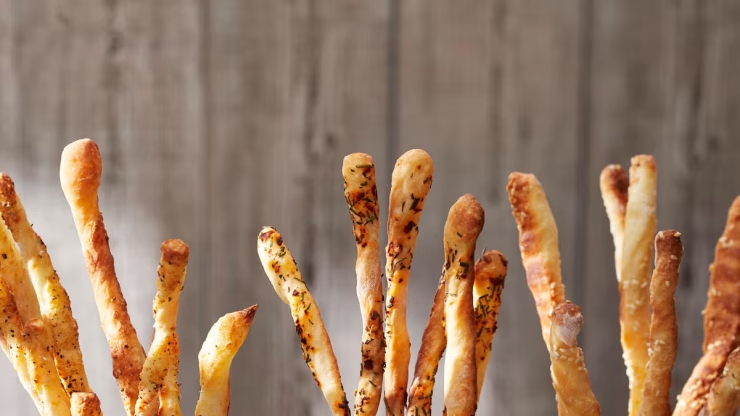
Authentic breadsticks from Turin are very different from what many people imagine when they hear the word “breadstick.” Instead of being soft, fluffy, and served with butter or cheese dips, grissini are long, slender, and crisp all the way through. Their defining traits are:
- Crispness: Properly made grissini snap cleanly when broken.
- Light texture: They are airy and dry, never doughy.
- Simplicity: The recipe often contains just flour, water, yeast, salt, and olive oil.
- Hand shaping: Traditional bakers pull the dough by hand into thin, uneven lengths, giving them rustic character.
The beauty of Turin grissini lies in their rustic simplicity. They can be made plain or enhanced with herbs, seeds, or even wrapped in thin slices of prosciutto for serving.
Ingredients for Turin Breadsticks
The beauty of this breadsticks (grissini) recipe from Turin is that it requires very few ingredients, most of which are probably already in your pantry. Here’s what you’ll need:
- 500g (about 4 cups) all-purpose or bread flour
- 300ml (about 1 ¼ cups) warm water
- 2 tablespoons extra-virgin olive oil, plus more for brushing
- 1 teaspoon sugar
- 1 ½ teaspoons salt
- 7g (1 packet) active dry yeast or instant yeast
Optional toppings: sesame seeds, poppy seeds, dried rosemary, coarse salt, or black pepper.
These basic ingredients come together to create a dough that can be shaped into long, slender breadsticks before baking. The toppings are optional but highly recommended if you want to explore the flavors Turin bakers often incorporate.
Step-by-Step Recipe for Grissini
Preparing the Dough
Start by dissolving the yeast and sugar in warm water. Let it sit for about 5–10 minutes until it begins to foam, which indicates the yeast is active. In a large mixing bowl, combine the flour and salt, then slowly add the yeast mixture and olive oil. Mix until the dough begins to come together.
Knead the dough on a lightly floured surface for 8–10 minutes, or until smooth and elastic. If you prefer, you can also use a stand mixer with a dough hook for this step. Place the kneaded dough in a lightly oiled bowl, cover it with a cloth, and allow it to rise for about one hour, or until it doubles in size.
Shaping the Grissini
Once the dough has risen, punch it down to release the air. Roll it into a rectangle, about ½ inch thick. Using a sharp knife or pizza cutter, slice the dough into long strips, each about the width of a pencil. Traditional bakers often pull each strip gently by hand to elongate them further, creating uneven lengths and rustic shapes.
Place the strips onto a parchment-lined baking sheet, leaving space between each one so they don’t stick together as they bake. Brush them lightly with olive oil and sprinkle with any toppings you prefer, such as sesame seeds or dried herbs.
Baking
Preheat your oven to 200°C (about 400°F). Bake the grissini for 15–20 minutes, or until they turn golden brown and crisp. Keep an eye on them during the final minutes, as thinner sticks may bake more quickly. Once done, remove them from the oven and let them cool on a wire rack.
The cooling process is important, as it allows the breadsticks to firm up and achieve that perfect crunchy snap.
Serving Suggestions
Freshly baked grissini are delicious on their own, but in Italy, they are rarely served without accompaniments. Here are some traditional and modern ways to enjoy them:
- With antipasti: Pair grissini with cured meats like prosciutto, salami, or mortadella.
- With cheeses: Enjoy alongside Italian cheeses such as Parmigiano-Reggiano, gorgonzola, or taleggio.
- Dipped in spreads: Hummus, olive tapenade, or even a simple herb butter complement their crisp texture.
- With soups: They add crunch when served with minestrone or tomato-based soups.
- Wine pairing: Their simplicity makes them a perfect partner for red or white wines from Piedmont, such as Barolo or Gavi.
By combining them with other Italian flavors, you elevate grissini from a simple snack to a key player in your dining experience.
Variations of Grissini
While the classic breadsticks from Turin are plain, bakers have developed many variations over the centuries. Some of the most popular include:
- Herb-infused grissini: Dried rosemary, oregano, or thyme can be added to the dough.
- Seeded grissini: Sesame, poppy, or fennel seeds give added flavor and texture.
- Cheese grissini: Finely grated Parmigiano-Reggiano or pecorino worked into the dough before baking.
- Wrapped grissini: Thin slices of prosciutto wrapped around each stick create a luxurious appetizer.
Experimenting with these variations allows you to enjoy the basic recipe while also discovering new ways to enjoy it.
Tips for Perfect Turin Grissini
Baking grissini at home is simple, but a few tips can ensure the best results:
- Thin and even strips: The thinner the strip, the crisper it will be.
- Don’t rush the rise: Allow the dough to rise fully for the best texture.
- Watch the baking time: Since they are thin, they can burn quickly.
- Cool completely: This step ensures the final crunch.
- Store properly: Keep them in an airtight container to maintain crispness.
Following these tips will help your breadsticks maintain the authentic Turin style that has been treasured for centuries.
Why Turin Breadsticks Remain Timeless
The endurance of grissini in Italian food culture speaks to their versatility and appeal. They are simple enough to make at home, elegant enough to serve at a formal dinner, and satisfying enough to snack on casually. In many ways, they reflect the heart of Italian cuisine: making the most of humble ingredients to create something unforgettable.
Turin’s breadsticks have stood the test of time because they are adaptable, flavorful, and carry a sense of tradition. Whether you enjoy them plain, topped with seeds, or wrapped in prosciutto, they remain one of the most iconic contributions of Piedmont to the Italian culinary world.
Conclusion
This breadsticks (grissini) recipe from Turin proves that sometimes the simplest foods hold the greatest charm. With just flour, water, yeast, olive oil, and salt, you can create something that has delighted generations, from dukes and nobles in Turin to food lovers around the globe today. Learning to make them at home not only gives you a delicious snack but also a way to connect to centuries of Italian history and tradition.
If you’ve only ever had the thicker, softer breadsticks served in chain restaurants, grissini will be a revelation. Crispy, elegant, and endlessly versatile, they deserve a place in your kitchen. Once you bake them yourself, you’ll never see breadsticks the same way again.


Add comment