 Abraham
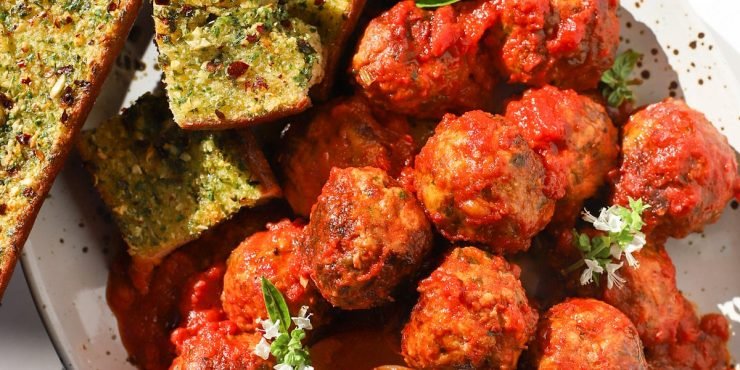
Italian cuisine has always had a way of turning simple, humble ingredients into unforgettable dishes. Few meals capture that comforting tradition quite like Italian meatballs. Known in Italy as polpette, these delicious little morsels have traveled the globe, becoming a staple in homes and restaurants far beyond their country of origin. While many people immediately imagine meatballs simmering in a rich tomato sauce and served with pasta, the truth is that authentic Italian meatballs are enjoyed in a variety of ways, often without pasta at all. If you want to learn how to cook Italian meatballs like a pro, it’s all about mastering the balance of ingredients, cooking techniques, and serving styles that make them truly shine.
In this guide, we’ll take a deep dive into the art of crafting meatballs the Italian way. From choosing the right meat blend and seasoning to traditional cooking methods and modern twists, you’ll discover everything you need to create meatballs that burst with flavor and impress anyone at your dinner table.
A Brief History of Italian Meatballs
Before learning the techniques, it helps to understand where Italian meatballs come from. In Italy, polpette are typically smaller than their American-Italian counterparts and are not usually served with spaghetti. Instead, they are eaten as a main course with vegetables, served in broths, or even offered as appetizers. The tradition of combining ground meat with herbs, bread, and cheese has existed for centuries, and each Italian region has developed its own style.
For example, in southern Italy, you might find meatballs enhanced with garlic, chili, and pecorino cheese, while northern Italy often uses milder flavors and sometimes even veal. The Italian-American tradition of giant meatballs over pasta in red sauce developed later, especially as immigrants adapted recipes to larger portions and different tastes in the United States.
Whether you prefer rustic Italian polpette or the hearty Italian-American version, the fundamentals of creating flavorful, tender meatballs remain the same.
Choosing the Right Meat Blend
One of the keys to professional-level meatballs is the blend of meats you use. Relying on only one type of meat can leave you with results that are either too dry or too greasy. Italian cooks often mix different types of ground meat to achieve the ideal balance of flavor and texture.
- Beef: Provides a strong, hearty flavor but can be dense if used alone.
- Pork: Adds tenderness and a mild, slightly sweet flavor that balances beef.
- Veal: Traditional in northern Italy, veal contributes a delicate taste and soft texture.
- Chicken or Turkey: Leaner alternatives for those seeking lighter meatballs, though they require extra moisture to avoid dryness.
A classic Italian blend is equal parts beef, pork, and veal. This combination yields a juicy, flavorful meatball that holds together beautifully while still being tender enough to melt in your mouth.
The Importance of Breadcrumbs and Milk
If you’ve ever bitten into a tough, rubbery meatball, chances are the binder was missing or misused. Breadcrumbs are crucial because they help absorb moisture and give meatballs their tender structure. But in Italian cooking, breadcrumbs are rarely added dry. Instead, they are soaked in milk first to create a panade.
This mixture not only prevents the meat from becoming dense but also allows the flavors to blend seamlessly. The breadcrumbs act as little sponges that release moisture during cooking, keeping the meat juicy. Whole milk works best, but you can also use cream or even stock for added depth.
Seasoning Like an Italian Chef
The seasoning is where your meatballs transform from ordinary to extraordinary. Italian recipes rarely rely solely on salt and pepper. Instead, they incorporate aromatic herbs, cheeses, and even a touch of spice.
Key ingredients to consider:
- Garlic and Onion: Often sautéed before mixing to remove harshness.
- Fresh Herbs: Parsley, basil, or oregano give meatballs a fragrant, Mediterranean flair.
- Cheese: Grated Parmigiano-Reggiano or Pecorino Romano brings saltiness and umami.
- Nutmeg: A subtle addition in northern Italian meatballs, especially with veal.
- Chili Flakes: Common in southern regions for a touch of heat.
The trick is balance, too much garlic or cheese can overwhelm, while the right proportion enhances the meat’s natural flavor.
Mixing Without Overworking
Once your ingredients are ready, mixing them properly is critical. Overworking the meat can make your meatballs dense and tough. The professional approach is to gently combine everything with your hands until just mixed. Some chefs even recommend adding the panade and seasonings to the meat in stages, folding lightly until incorporated.
Pro tip: Keep your hands wet when forming the meatballs to prevent sticking and ensure smooth, round shapes.
Cooking Methods: Frying, Baking, and Simmering
There are multiple ways to cook Italian meatballs, and each produces slightly different results.
Pan-Frying
Pan-frying in olive oil gives the meatballs a crisp, golden crust while sealing in juices. Traditionally, this is how many Italian home cooks prepare meatballs before finishing them in sauce.
Baking
Baking in the oven at around 400°F (200°C) is a healthier and more hands-off method. It allows you to cook large batches evenly without extra oil. Baking on a wire rack over a sheet pan helps fat drip away and keeps the meatballs from becoming soggy.
Simmering
Some recipes call for raw or lightly browned meatballs to be simmered directly in tomato sauce. This results in incredibly tender meatballs infused with sauce flavor, though they won’t have the crispy crust of fried ones.
Professional chefs often combine methods, for example, searing meatballs for flavor, then finishing them in sauce for tenderness.
Making the Perfect Tomato Sauce
While meatballs in Italy are not always paired with tomato sauce, the combination has become iconic. A well-made sauce enhances the richness of the meatballs and ties the dish together.
A classic Italian tomato sauce includes:
- Olive oil
- Garlic
- Canned San Marzano tomatoes
- Fresh basil
- A pinch of sugar (to balance acidity)
- Salt and pepper
Simmering the sauce slowly allows flavors to meld, creating the perfect backdrop for meatballs.
Serving Meatballs the Italian Way
If you want to cook meatballs like a pro, presentation matters. In Italy, meatballs are often served as a main course with vegetables, bread, or potatoes. In Italian-American households, they’re famously paired with spaghetti, though traditionally this wasn’t the case in Italy.
Other authentic serving ideas include:
- Meatballs in a light broth with vegetables (polpette in brodo)
- Small meatballs served as appetizers at family gatherings
- Meatball sandwiches with crusty Italian bread
- Meatballs paired with risotto or polenta
The beauty of meatballs lies in their versatility, they fit into casual meals and elegant dinners alike.
Modern Twists on Italian Meatballs
Professional chefs often experiment with new takes on the classic recipe while keeping the essence intact. Some variations you can try at home include:
- Stuffed Meatballs: Filled with mozzarella for a gooey surprise.
- Herb-Crusted Meatballs: Rolled in breadcrumbs and herbs before baking.
- Seafood Meatballs: Popular in coastal Italy, made with tuna or swordfish.
- Vegetarian Meatballs: Using eggplant, lentils, or mushrooms for a lighter dish.
These adaptations show how meatballs can evolve while still honoring Italian culinary traditions.
Common Mistakes to Avoid
Even with a great recipe, there are pitfalls that can ruin meatballs. To truly cook like a pro, watch out for these common mistakes:
- Using only lean meat, which makes them dry.
- Adding too many breadcrumbs, resulting in a bready texture.
- Overmixing the meat, leading to toughness.
- Cooking them too quickly, which can dry them out.
- Neglecting to season properly, meatballs need bold flavors.
By avoiding these errors, you’ll consistently produce meatballs that are tender, flavorful, and satisfying.
Bringing It All Together
Cooking Italian meatballs like a pro is not about following one rigid recipe but mastering the techniques that allow you to adapt and perfect your own version. From selecting the right meat blend and creating a tender panade to balancing seasonings and choosing the best cooking method, every step plays a role in the final dish.
Once you’ve mastered the basics, you’ll find endless opportunities to experiment, whether it’s adding regional Italian touches, trying modern variations, or even reinventing how you serve them. What remains constant is the heart of the dish: a symbol of comfort, tradition, and the joy of gathering around the table.
So, the next time you prepare meatballs, channel the passion of an Italian chef, trust your senses, and remember that the best dishes are crafted with patience and love.


Add comment