 Abraham
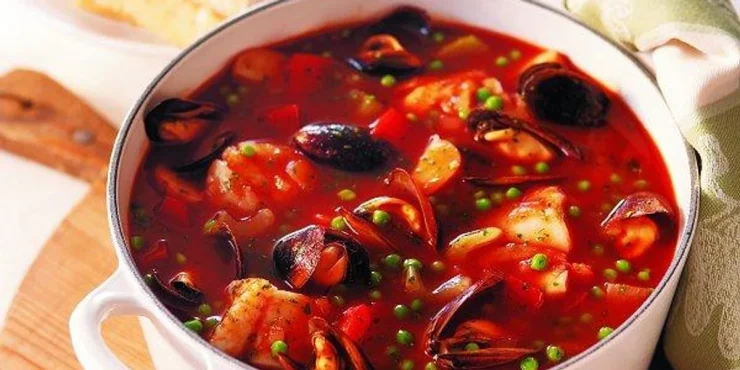
Italian cuisine has always been celebrated for its rich flavors, simple techniques, and reliance on fresh, high-quality ingredients. Among the many dishes that highlight the culinary brilliance of Italy, one stands out for its rustic heritage and ocean-inspired soul: Cacciucco. This Tuscan seafood stew, originating from the coastal region of Livorno, is not just food, it is a story of fishermen, tradition, and the deep bond between the sea and the table. In this article, we’ll take a detailed look at Cacciucco, tracing its origins, exploring the ingredients that make it special, and learning how to prepare it at home with authenticity.
The History of Cacciucco
Cacciucco is a dish born of necessity and resourcefulness. In the port city of Livorno, fishermen would return with their catches, but not all fish were suitable for market. The less desirable, smaller, or tougher fish were often kept for personal use. To make them more palatable, locals created a stew by simmering these fish with garlic, tomatoes, wine, and chili peppers, layering flavors until they produced something greater than the sum of its parts.
The name “Cacciucco” itself has various theories. Some say it derives from the Turkish word “kucuk,” meaning “small,” a nod to the little fish used. Others believe it simply refers to the rustic, mixed nature of the dish. Regardless of its etymology, Cacciucco embodies Tuscan ingenuity: turning humble ingredients into a dish celebrated worldwide.
Over time, it has evolved, but the heart of the dish remains a fisherman’s stew, rich, hearty, and deeply tied to the sea. Today, it is often enjoyed in trattorias along the Tuscan coast, served with toasted bread rubbed with garlic, soaking up every last drop of the flavorful broth.
The Spirit of Tuscan Cooking
Before diving into the recipe, it’s important to appreciate the Tuscan cooking philosophy that defines Cacciucco. Tuscan cuisine is based on the principle of cucina povera, or “poor kitchen,” which emphasizes simplicity, local produce, and making the most of available ingredients. This isn’t about luxury; it’s about flavor and nourishment.
Cacciucco perfectly reflects this ethos. It does not require rare or expensive seafood, rather, it thrives on a medley of what the sea provides. This adaptability is part of why the dish has endured. Whether made with clams, mussels, squid, shrimp, or various fish, each pot of Cacciucco tells its own story of the day’s catch.
Ingredients for Authentic Cacciucco
To cook Italian seafood stew authentically, one must pay close attention to both the variety of seafood and the supporting flavors. Here is what typically goes into a traditional Cacciucco:
- Seafood mix: A combination of at least five types of seafood. Common choices include squid, octopus, cuttlefish, shrimp, clams, mussels, and firm white fish such as monkfish or red mullet.
- Tomatoes: Either fresh peeled tomatoes or canned San Marzano tomatoes, providing a sweet yet tangy base.
- Garlic and onion: Essential aromatics that build the stew’s foundation.
- Olive oil: Tuscan extra virgin olive oil brings richness and depth.
- Red wine: Adds acidity and depth to the stew while helping balance the seafood flavors.
- Chili peppers: Traditionally used in Livorno to give a subtle kick.
- Herbs: Parsley and sage are the most common, lending freshness and fragrance.
- Fish stock or water: Necessary to simmer the stew into a rich broth.
- Rustic bread: Thick slices of toasted country bread, rubbed with garlic, form an indispensable part of the dish.
This balance of ingredients, seafood, tomato, wine, chili, and herbs, creates the unmistakable flavor of Tuscan seafood stew.
Preparing Cacciucco Step by Step
Cooking Cacciucco is not complicated, but it does require patience and attention to layering flavors. Here’s a step-by-step guide to making it at home.
Step 1: Preparing the Base
In a large pot, heat generous olive oil and sauté finely chopped onion and garlic until fragrant. Add chili flakes for a gentle heat and follow with fresh herbs such as sage leaves. This aromatic foundation is what flavors the stew from the very beginning.
Step 2: Adding the Tomatoes
Next, stir in the tomatoes. If using canned, crush them by hand for a rustic texture. Let the tomatoes cook down slowly, forming a rich sauce. Add a splash of red wine and allow it to simmer until slightly reduced. This stage ensures the broth is flavorful before the seafood goes in.
Step 3: Cooking the Seafood
The seafood must be added in stages, based on cooking time. Start with the toughest, squid, cuttlefish, or octopus. These require longer simmering to become tender. After about 20–30 minutes, add medium-textured fish and shellfish, such as shrimp or firm fish chunks. Finally, clams and mussels are added near the end, cooking just until they open. This staggered approach ensures each type of seafood is perfectly cooked.
Step 4: Final Seasoning
Season with salt, pepper, and fresh parsley. Taste the broth, it should be savory, slightly spicy, and layered with seafood flavor. If needed, add more olive oil for richness.
Step 5: Serving
Toast slices of rustic Tuscan bread, rub them with fresh garlic, and place them at the bottom of bowls. Ladle the hot stew over the bread, letting it soak up the juices. Serve immediately, accompanied by a glass of Tuscan red wine.
The Importance of Bread in Cacciucco
Bread is not merely a side dish when it comes to Cacciucco, it is essential. Known as pane toscano, Tuscan bread is traditionally saltless, making it ideal for soaking up flavorful stews. Without it, the dish feels incomplete. The marriage of stew and bread transforms Cacciucco into a hearty, soul-satisfying meal.
Regional Variations
While Livorno is the birthplace of Cacciucco, variations exist along the Tuscan coast. In Viareggio, for example, recipes may lean heavier on shellfish, while inland variations sometimes use fewer seafood types due to availability. Some cooks add anchovies to the tomato base for extra depth, while others keep the chili subtle or more pronounced. This flexibility highlights the stew’s adaptability and its strong connection to the local environment.
Pairing Cacciucco with Wine
Since Tuscany is home to some of Italy’s finest wines, pairing Cacciucco with the right bottle is part of the experience. While a bold Tuscan red such as Chianti or Morellino di Scansano pairs beautifully with the stew’s rich flavors, some prefer a crisp white like Vermentino to balance the seafood’s freshness. Both options work well, depending on your preference.
Nutritional Value
Cacciucco is not only delicious but also nourishing. Seafood provides lean protein, omega-3 fatty acids, and essential minerals. Tomatoes and herbs add antioxidants and vitamins, while olive oil contributes heart-healthy fats. Despite its hearty appearance, Cacciucco can be a light and balanced meal when enjoyed in moderation.
Tips for Perfect Cacciucco at Home
- Use the freshest seafood available. This makes all the difference in flavor.
- Don’t rush the tomato base, let it cook down until thick and rich.
- Layer the seafood carefully, adding tougher cuts first and delicate shellfish last.
- Adjust seasoning gradually; the seafood itself will add natural saltiness to the broth.
- Always serve with toasted bread to honor tradition.
Why Cacciucco Endures
Cacciucco has survived centuries not just because it tastes good, but because it represents a way of life. It celebrates the sea, the ingenuity of fishermen, and the communal joy of sharing food. In every bowl, there is history, tradition, and love for the land and water of Tuscany. For many Italians, it is more than a stew, it is a symbol of resilience and cultural pride.
Bringing Tuscany to Your Kitchen
Cooking Cacciucco at home is not only a culinary adventure but also a way to connect with Tuscan tradition. Even if you live far from the Mediterranean, sourcing a variety of seafood from local markets and cooking this dish will transport you to the Italian coast. It’s an opportunity to bring a little piece of Livorno’s charm to your table, creating memories with family and friends over a steaming pot of seafood stew.
Conclusion
Italian seafood stew, or Cacciucco, is a dish that embodies the heart of Tuscany: rustic, flavorful, and deeply tied to tradition. From its origins as a fisherman’s meal to its place in modern Italian cuisine, it remains one of the most beloved expressions of coastal cooking. With its rich tomato base, layered seafood, and essential garlic-rubbed bread, it is as much about culture as it is about food.
Next time you’re craving something warm, hearty, and authentically Italian, try making Cacciucco at home. Not only will you discover the secrets of Tuscan cooking, but you’ll also experience firsthand how a humble stew can carry centuries of history and flavor in every bite.


Add comment