 Abraham
Italian cuisine is built upon tradition, family, and the art of bringing people together around a table. One dish that perfectly represents this is beef braciole, a classic recipe often served as part of a traditional Italian Sunday dinner. This comforting dish combines tender beef, rich tomato sauce, savory herbs, and a flavorful filling that transforms simple ingredients into something extraordinary. Passed down through generations, beef braciole is more than a meal, it’s a story of heritage, love, and family connection.
The History of Beef Braciole
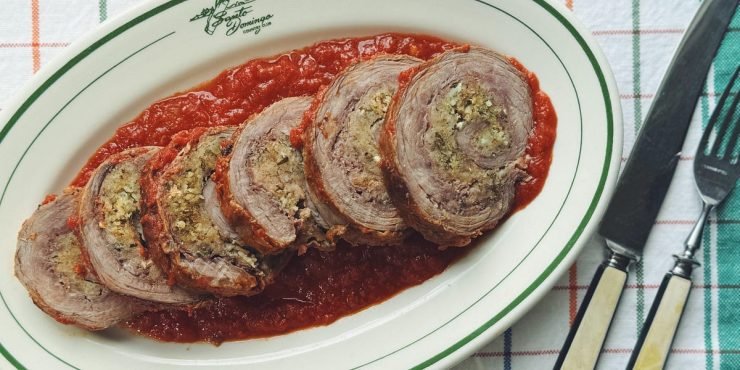
Beef braciole, sometimes called involtini in different parts of Italy, refers to thin slices of beef that are rolled up with a filling and braised slowly in a tomato-based sauce. The name braciole comes from the Italian word for “chops,” but the dish has evolved into something entirely different. In southern Italy, particularly in regions like Sicily, Calabria, and Campania, braciole became a Sunday staple, often simmered in a pot of tomato sauce alongside meatballs and sausages to make a rich, hearty meal.
Italian immigrants carried this tradition with them to the United States, where braciole became a centerpiece of Italian-American Sunday dinners. Families would gather for hours, enjoying antipasti, pasta, and finally, the main course with braciole served over pasta or alongside crusty bread. It remains one of those dishes that can instantly transport someone back to their grandmother’s kitchen.
The Role of Sunday Dinner in Italian Culture
To truly appreciate beef braciole, one must understand the Italian tradition of Sunday dinner. In Italy, Sundays are reserved for family. It is a day when everything slows down, shops close early, and the table becomes the heart of the home. Meals are not rushed but enjoyed over the course of hours, with multiple courses, plenty of conversation, and wine flowing freely.
Braciole is the kind of dish that fits perfectly into this setting. It requires time to prepare and even more time to cook slowly, allowing the flavors to develop fully. It is not a weeknight dinner meant to be thrown together quickly, it is a labor of love, a dish meant to be savored, and a way of showing affection for those gathered around the table.
Choosing the Right Cut of Beef
The foundation of great beef braciole is the beef itself. Traditionally, Italians used tougher cuts of meat that required long cooking times to tenderize. Cuts like top round, flank steak, or even skirt steak are excellent choices because they are lean yet flavorful. When sliced thinly and pounded flat, these cuts can be rolled easily and will absorb all the rich flavors from the stuffing and sauce.
In some regions, pork or veal is used instead of beef, but beef remains the most common choice, especially for hearty Sunday meals. What matters most is choosing meat that can hold up to braising, ensuring it becomes tender but doesn’t fall apart completely.
The Art of the Filling
One of the joys of making beef braciole is the endless variety of fillings. Each family seems to have its own special version, passed down from one generation to the next. Some keep it simple with just breadcrumbs, garlic, parsley, and Parmesan, while others add pine nuts, raisins, prosciutto, or hard-boiled eggs for extra richness.
A classic filling might include breadcrumbs toasted in olive oil, garlic sautéed for depth, grated Pecorino Romano or Parmesan for sharpness, and fresh herbs like parsley or basil. The filling is spread over the flattened beef slices before they are rolled tightly and secured with kitchen twine or toothpicks. The goal is to create a perfect spiral of meat and flavor in every slice.
Preparing the Sauce
Beef braciole is inseparable from its sauce. In fact, many Italian families refer to the dish simply as “gravy” or “Sunday sauce,” since the rolls simmer in a rich tomato base for hours. The sauce usually starts with sautéed onions, garlic, and sometimes carrots and celery, followed by crushed tomatoes or tomato purée. A splash of red wine deepens the flavor, while bay leaves, oregano, and basil round out the seasoning.
As the braciole cooks in this sauce, the meat releases its juices into the pot, enriching the tomatoes with savory depth. By the time it is ready, the sauce is thick, aromatic, and infused with the essence of the beef and herbs. It is this sauce that often coats the pasta served alongside the braciole, making it a two-in-one meal.
The Slow Braising Process
Patience is essential when making beef braciole. Once the beef rolls are filled, rolled, and tied, they are usually seared in olive oil to lock in flavor and create a rich caramelized surface. After that, they are nestled into the tomato sauce and left to simmer gently for two to three hours.
This slow braising process allows the meat to become tender while the flavors of the filling meld into the sauce. The aroma that fills the kitchen during this time is irresistible, and it’s often the reason family members start hovering around the pot, sneaking tastes of the sauce long before the meal is served.
Serving Beef Braciole the Traditional Way
Traditionally, beef braciole is served as part of a multi-course Italian dinner. The sauce is used first to coat pasta, often rigatoni or spaghetti, which is served as the primo (first course). The beef rolls themselves are then sliced and served as the secondo (second course), accompanied by vegetables, salad, or crusty bread to soak up the extra sauce.
This separation of courses reflects the Italian way of eating, where meals are savored slowly and each dish is appreciated on its own. However, in many Italian-American households, the braciole and pasta are served together on the same plate, creating a hearty and satisfying one-dish meal.
Family Traditions and Variations
No two families make beef braciole exactly the same way. In some Sicilian versions, raisins and pine nuts are added to the filling, creating a sweet-savory contrast. In Naples, braciole might include cured meats like prosciutto or pancetta inside the roll. Italian-Americans often adapt the recipe based on what is available, sometimes substituting the filling with mozzarella or provolone for a melty interior.
These variations are what make beef braciole so special. It is not just a dish, it is a reflection of family identity, passed down and adapted over time. Each version tells a story, and each bite carries with it the memory of meals shared across generations.
Tips for Making Perfect Beef Braciole at Home
Making beef braciole can feel intimidating at first, but with a few tips, anyone can master this traditional dish. Start by ensuring the beef is sliced thinly; if it’s too thick, it won’t roll easily or cook evenly. Use a meat mallet to gently pound it flat if necessary. When spreading the filling, leave a small border around the edges to prevent it from spilling out as you roll.
Searing the rolls before braising is also essential, it locks in flavor and helps the meat hold its shape. Finally, don’t rush the cooking process. Braciole needs time for the sauce to deepen and the beef to tenderize. If possible, make it a day ahead and reheat it, as the flavors only improve overnight.
Pairing Braciole with Wine and Sides
No Italian Sunday dinner is complete without wine. For beef braciole, a medium- to full-bodied red wine is the perfect companion. Chianti, Montepulciano d’Abruzzo, or a Nero d’Avola from Sicily complement the richness of the dish beautifully. The tomato sauce balances the acidity of the wine, while the beef and filling harmonize with its depth.
Side dishes can include roasted vegetables, sautéed greens like broccoli rabe, or a fresh salad with olive oil and lemon. Crusty bread is non-negotiable, as it is the best tool for mopping up every last drop of sauce from the plate.
Beef Braciole as a Symbol of Togetherness
At its core, beef braciole is about more than just food. It represents the heart of Italian cooking, the belief that meals are best when shared with family and friends. Preparing braciole takes time, patience, and care, but the reward is not only a delicious dish but also the joy of gathering around a table, reconnecting, and creating memories.
For many Italian families, the smell of beef braciole simmering on a Sunday morning is enough to bring back a flood of childhood memories. It is a dish that connects generations, reminding everyone that no matter how much time passes, food has the power to keep traditions alive.
Conclusion
Beef braciole is one of those timeless recipes that carries the spirit of Italy in every bite. From the tender beef and flavorful filling to the slow-simmered tomato sauce, it embodies everything that makes Italian cuisine beloved around the world. Whether enjoyed as part of a traditional Sunday dinner or served as a centerpiece for a special occasion, braciole is more than a dish, it is a celebration of family, heritage, and the joy of eating together.
If you are looking to bring a taste of Italian tradition into your kitchen, there is no better place to start than with beef braciole. Take your time, pour a glass of wine, invite your loved ones to the table, and enjoy the simple yet profound pleasure of this classic Italian Sunday dinner.


Add comment