
 Abraham
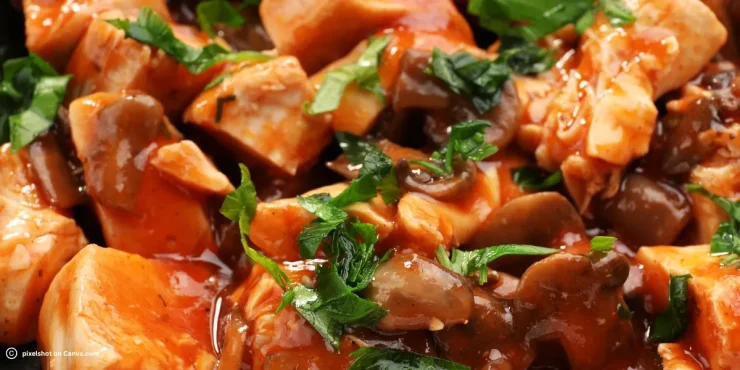
Chicken Cacciatore, or “Pollo alla Cacciatora,” is one of those rustic Italian dishes that has stood the test of time, passed down through generations of home cooks and perfected in family kitchens. The word “cacciatore” means “hunter” in Italian, and the dish itself is often described as “hunter’s style chicken.” Rooted in the tradition of hearty, countryside cooking, this dish was originally prepared with simple ingredients available to rural families, tomatoes, onions, herbs, and the occasional splash of wine. Over the centuries, it has become a beloved staple across Italy and beyond, each region putting its own twist on the recipe.
In this article, I’ll guide you step by step through making a truly authentic Italian Chicken Cacciatore, while also diving into the cultural and historical roots of the dish. By the end, you’ll be able to recreate this soulful meal in your own kitchen with confidence.
The Origins of Chicken Cacciatore
Cacciatore traces its history back to central Italy, where hunters would prepare meals from what was readily available after a day in the fields or forests. Chicken was common, though variations with rabbit or other game were also prepared. Tomatoes were incorporated into the dish after their introduction to Europe in the 16th century, adding the signature rich, hearty flavor we associate with the dish today.
Traditionally, Chicken Cacciatore was slow-cooked over an open flame, allowing the meat to become tender and infused with the flavors of vegetables, herbs, and wine. Today, while the cooking method has been modernized, the essence of this rustic dish remains unchanged: it is warm, filling, and deeply flavorful, embodying the spirit of Italian home cooking.
Ingredients You’ll Need
What makes Italian Chicken Cacciatore so inviting is that it uses common, humble ingredients, yet when combined, they create something extraordinary. Here’s what you’ll need for a traditional preparation:
- 1 whole chicken (about 3–4 pounds), cut into 8 pieces, or a mix of bone-in thighs and drumsticks
- 1 large onion, finely sliced
- 2 cloves of garlic, minced
- 1 red bell pepper, sliced
- 1 green bell pepper, sliced
- 2 medium carrots, diced
- 2 stalks celery, diced
- 1 cup mushrooms, sliced (optional, but often included in northern versions)
- 1 cup dry red wine (Chianti is a great choice)
- 1 can (28 ounces) crushed tomatoes
- 2 tablespoons tomato paste
- 2 sprigs fresh rosemary or thyme
- 2 bay leaves
- ½ teaspoon red pepper flakes (optional, for a slight kick)
- Olive oil for cooking
- Salt and freshly ground black pepper to taste
- Fresh parsley for garnish
These ingredients combine to create a balance of savory, aromatic, and slightly tangy flavors that define Chicken Cacciatore.
Preparing the Chicken
The first step in making this dish is preparing the chicken properly. Using a whole chicken cut into parts brings variety in flavor and texture, but if you prefer, stick with thighs and drumsticks. Dark meat tends to hold up well to slow cooking, remaining moist and flavorful.
Before cooking, pat the chicken dry with paper towels. This step ensures the skin browns nicely instead of steaming. Season each piece generously with salt and pepper. In a large, heavy-bottomed pot or Dutch oven, heat a few tablespoons of olive oil over medium-high heat. Sear the chicken in batches, skin side down first, until golden brown on all sides. This step locks in flavor and sets the foundation for the dish. Once browned, transfer the chicken to a plate and set aside.
Building the Flavor Base
Now comes the part where the kitchen fills with incredible aromas. In the same pot used for browning the chicken, add the sliced onion, carrots, and celery. These aromatic vegetables form the classic Italian soffritto, a flavor base used in countless dishes from sauces to stews. Stir and cook until the vegetables are softened and slightly caramelized.
Add the bell peppers and mushrooms to the pot, cooking for another five minutes until they start to release their juices. Then, stir in the garlic and cook for about a minute until fragrant. The key here is to layer flavors gradually, allowing each ingredient to contribute its essence.
Deglazing with Wine
Pour in the cup of red wine, stirring vigorously to scrape up any browned bits stuck to the bottom of the pot. These caramelized remnants are packed with flavor and will enrich the sauce. Allow the wine to simmer for about five minutes, reducing slightly and cooking off the alcohol.
Creating the Tomato Base
Next, stir in the tomato paste and cook for another two minutes to deepen its flavor. Add the crushed tomatoes, fresh herbs, bay leaves, and a pinch of red pepper flakes if you like a bit of heat. Season with salt and pepper, then bring the sauce to a gentle simmer.
Return the browned chicken pieces to the pot, nestling them into the sauce so they are partially submerged. Cover the pot with a lid, reduce the heat to low, and allow the dish to cook slowly for 45 minutes to an hour. This slow braising process tenderizes the chicken and allows it to absorb the rich, savory flavors of the sauce.
Step-by-Step Cooking Timeline
To make things simple, here’s a breakdown of the process in steps:
- Prepare and season chicken pieces.
- Brown chicken in olive oil; remove and set aside.
- Cook onion, carrots, and celery until softened.
- Add bell peppers and mushrooms; cook for a few minutes.
- Stir in garlic briefly.
- Deglaze with red wine and reduce slightly.
- Add tomato paste, crushed tomatoes, herbs, and seasonings.
- Return chicken to pot and simmer covered for 45–60 minutes.
- Uncover and simmer an additional 10–15 minutes to thicken sauce if desired.
- Garnish with fresh parsley and serve hot.
Serving Suggestions
Chicken Cacciatore is wonderfully versatile when it comes to serving. Traditionally, it is enjoyed with crusty bread to soak up the sauce. In many Italian homes, it’s also paired with polenta, which provides a creamy, comforting base for the rich tomato and wine sauce.
Pasta is another popular accompaniment, particularly wide noodles like pappardelle or tagliatelle that can hold the hearty sauce. For a lighter option, you can serve the chicken alongside roasted vegetables or a fresh green salad.
Regional Variations
Though the version described here is one of the most common, different regions of Italy prepare Chicken Cacciatore slightly differently. In Tuscany, the dish often features red wine, while in northern Italy, white wine may be used instead, lending a lighter flavor. Some southern versions add olives or capers for a briny touch. These regional adaptations highlight the flexibility of the dish and allow you to customize it based on personal preference.
Tips for Success
- Use bone-in, skin-on chicken for maximum flavor.
- Sear the chicken thoroughly to develop deep flavor before simmering.
- Don’t rush the cooking process, slow simmering is key to tender chicken and a well-developed sauce.
- Taste and adjust seasonings as the dish cooks, adding more herbs, salt, or pepper as needed.
- For a smoother sauce, remove the chicken at the end and blend part of the vegetables before returning them to the pot.
Storing and Reheating
Chicken Cacciatore tastes even better the next day, as the flavors continue to meld overnight. Store leftovers in an airtight container in the refrigerator for up to three days. It can also be frozen for up to two months. To reheat, gently warm it on the stovetop over low heat, adding a splash of water or broth if the sauce has thickened too much.
Why This Dish Endures
The enduring popularity of Chicken Cacciatore comes from its balance of simplicity and flavor. It doesn’t require exotic ingredients or complicated techniques, yet it yields a dish that feels special and comforting. It’s a recipe that connects us to tradition, offering a taste of Italy’s countryside and the warmth of family meals.
Conclusion
Cooking Italian Chicken Cacciatore step by step is not just about following a recipe; it’s about embracing a culinary tradition that celebrates simplicity, flavor, and heart. With tender chicken simmered in a rich tomato and wine sauce, accompanied by aromatic vegetables and herbs, this dish offers a taste of Italian home cooking at its finest.
Whether you serve it over polenta, pasta, or with crusty bread, Chicken Cacciatore has the power to bring people together around the table, just as it has done in Italian homes for centuries. By following this recipe, you’ll not only prepare a delicious meal but also carry on a tradition that honors the spirit of rustic Italian cuisine.


Add comment