 Abraham
Italian cuisine is often celebrated for its pasta, pizzas, and seafood, but hidden in the countryside traditions is a dish that speaks directly to the rustic soul of Italy: rabbit cooked the country style. Known in Italian as coniglio alla cacciatora or coniglio alla contadina depending on the regional influence, this preparation turns a humble farm-raised rabbit into a hearty, deeply satisfying meal that connects modern tables to centuries of peasant cooking. Cooking rabbit in this style is not only about following a recipe; it is about embracing the essence of slow food, letting simple ingredients shine, and preserving traditions that have nourished generations.
The Place of Rabbit in Italian Cuisine
Rabbit has long held a place of honor in Italian kitchens, especially in rural areas where farmers raised rabbits for both meat and trade. Unlike beef or pork, which could be expensive, rabbit was practical to keep and offered a lean source of protein. Families would prepare it for Sunday lunches, festivals, or family gatherings, turning it into a dish that symbolized abundance even in modest households.
In Tuscany, Umbria, and Lazio, rabbit dishes are particularly popular, often cooked with wine, tomatoes, and garden herbs. On the islands of Sicily and Sardinia, rabbit recipes take on bolder flavors with olives, capers, and sometimes a touch of vinegar. What unites these variations is the idea of slow cooking with rustic ingredients to transform rabbit into a dish that is tender, flavorful, and comforting.
Choosing the Right Rabbit
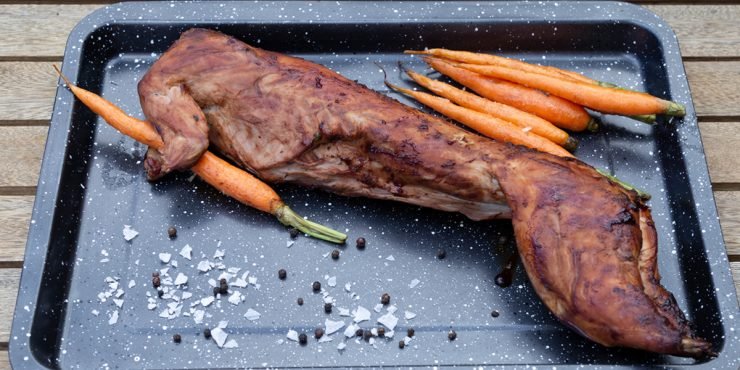
Cooking rabbit Italian country style begins with selecting the right meat. Fresh rabbit can often be found at butchers, specialty markets, or farms. When possible, look for a young rabbit, as the meat is more tender and mild in flavor. A rabbit weighing between two to three pounds is ideal for a family meal.
For home cooks outside Italy, rabbit may feel unusual, but it is surprisingly versatile and easy to handle once you think of it in the same category as chicken. The cuts are similar: legs, loins, and saddle. The legs, particularly the hind legs, are meaty and perfect for slow cooking, while the loin is lean and delicate.
Preparing Rabbit for Cooking
Rabbit requires some initial preparation before it can be cooked in the Italian country style. The meat should be rinsed, dried thoroughly, and cut into portions. Typically, the butcher will prepare it in six to eight pieces, similar to how a chicken might be divided.
A light seasoning of salt and pepper before cooking allows the meat to absorb flavor. Many traditional Italian cooks also recommend marinating the rabbit for a few hours in a mixture of white wine, garlic, rosemary, and olive oil. This not only tenderizes the meat but also imparts a subtle aroma that pairs beautifully with the cooking process to come.
The Base of Italian Country Cooking
The foundation of rabbit cooked the Italian country style is the soffritto, a blend of aromatic vegetables sautéed in olive oil. Onion, carrot, and celery form the holy trinity, diced finely and cooked slowly until they soften and release their sweetness. This base creates a bed of flavor that permeates the entire dish.
In many regions, garlic is added to deepen the flavor, and some cooks even use pancetta or guanciale for richness. Olive oil is the fat of choice, but in some areas, a splash of lard is used to honor traditional farmhouse cooking. Once the soffritto is ready, the rabbit pieces are browned in the pan until they take on a golden crust. This step is essential for sealing in flavor and creating the base for the sauce.
Building the Flavor with Wine and Herbs
No Italian country-style rabbit dish is complete without wine. Depending on the region, cooks may use a dry white wine, which keeps the flavors light, or a bold red wine, which adds depth and richness. The wine is poured into the pan to deglaze, lifting all the browned bits of flavor and marrying them with the rabbit and soffritto.
Herbs are just as important. Rosemary and sage are classic, lending an earthy fragrance that complements the meat. Bay leaves may be added for subtle complexity, while in some recipes, thyme or marjoram makes an appearance. These herbs should be fresh whenever possible, as they are central to the rustic character of the dish.
Tomatoes or No Tomatoes?
One of the great debates in Italian cooking is whether rabbit alla contadina should include tomatoes. In Tuscany and Umbria, tomatoes are often used sparingly, creating a light sauce that coats the meat. In Lazio and further south, tomatoes may be used more generously, creating a richer, more robust stew.
Both versions are authentic, and the choice comes down to personal preference. A tomato-based sauce is hearty and familiar, while a white version without tomatoes highlights the natural flavors of the rabbit and herbs. Either way, the sauce should be cooked slowly, allowing the rabbit to become tender and infused with flavor.
Step-by-Step: How to Cook Rabbit the Italian Country Style
Ingredients
- 1 whole rabbit (about 2.5 pounds), cut into pieces
- 2 tablespoons olive oil
- 1 small onion, finely chopped
- 1 carrot, finely chopped
- 1 celery stalk, finely chopped
- 2 cloves garlic, minced
- 1 sprig fresh rosemary
- 3 to 4 fresh sage leaves
- 1 bay leaf
- 1 cup dry white wine (or red, depending on preference)
- 1 cup peeled and chopped tomatoes (optional)
- 1 cup chicken stock
- Salt and freshly ground black pepper
Method
- Pat the rabbit pieces dry and season lightly with salt and pepper.
- In a large heavy-bottomed pan or Dutch oven, heat the olive oil over medium heat.
- Add the rabbit pieces and brown them on all sides. Remove and set aside.
- In the same pan, add onion, carrot, and celery. Cook until softened, about 7 minutes.
- Stir in garlic and cook briefly until fragrant.
- Return the rabbit to the pan. Add rosemary, sage, and bay leaf.
- Pour in the wine and let it reduce by half.
- Add tomatoes if using, followed by chicken stock.
- Cover the pan and let simmer gently for 45–60 minutes, turning the pieces occasionally until the rabbit is tender and the sauce has thickened.
- Adjust seasoning with salt and pepper before serving.
Serving Rabbit the Italian Way
Italian country-style rabbit is often served with simple accompaniments that allow the dish to shine. Polenta is a classic pairing in northern Italy, providing a creamy base to soak up the sauce. In central and southern regions, crusty bread or roasted potatoes are common sides. A fresh green salad dressed with olive oil and vinegar balances the richness of the dish.
For wine pairing, the choice depends on the sauce. A white version pairs beautifully with a crisp Verdicchio or Orvieto, while a tomato-based rabbit benefits from the structure of a Chianti or Montepulciano.
Variations Across Italy
Rabbit recipes vary widely depending on the region. In Liguria, rabbit is often braised with olives and pine nuts, creating a sweet-savory flavor. In Sicily, vinegar and capers provide a tangy contrast to the mild meat. Sardinia has its own version, where wild herbs and sometimes wild fennel are used for seasoning. Each region adapts the dish to local ingredients, but the heart of the preparation remains the same: respect for simplicity and flavor.
Tips for Perfect Italian Country-Style Rabbit
- Always brown the rabbit before braising to develop flavor.
- Cook slowly over gentle heat to keep the meat tender.
- Use fresh herbs whenever possible for authenticity.
- Don’t be afraid to let the dish rest for a few minutes before serving; flavors meld beautifully.
- Serve with sides that can absorb the sauce, ensuring nothing goes to waste.
Why Rabbit Works So Well
Rabbit is not only traditional but also one of the healthiest meats available. It is lean, high in protein, and low in fat compared to beef or pork. Its mild flavor allows it to carry the seasoning of herbs, wine, and vegetables beautifully. Italian country cooking thrives on using what is available, and rabbit embodies that principle perfectly.
A Dish That Connects Past and Present
Cooking rabbit the Italian country style is more than preparing a meal, it is an act of cultural preservation. Each step, from browning the meat to simmering it slowly with wine and herbs, reflects centuries of culinary wisdom passed down through generations. Serving this dish at your own table brings a piece of rural Italy into your home, reminding you of the deep connection between food, family, and tradition.
Conclusion
Rabbit may not be a common feature in many modern kitchens, but in Italy, it continues to be a cherished dish rooted in history and family traditions. By learning how to cook rabbit the Italian country style, you are not just mastering a recipe, you are honoring a way of life that values simplicity, patience, and flavor. Whether you choose the tomato-based or white wine version, the result is a dish that is hearty, rustic, and deeply Italian. Serve it on a Sunday with loved ones, and you’ll understand why this humble dish has endured for centuries.


Add comment