 Abraham
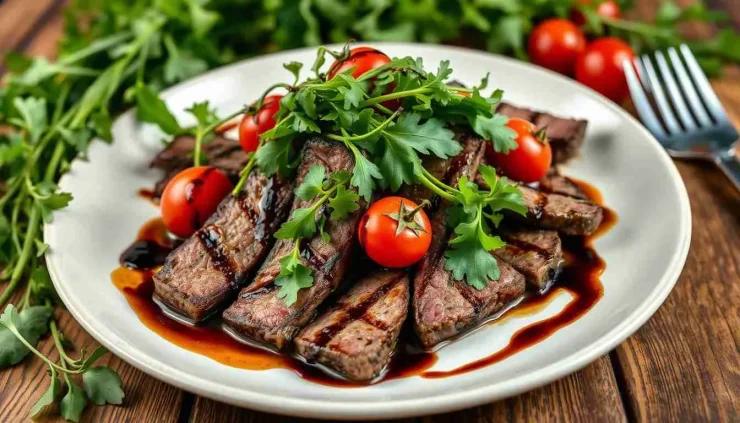
Grilling in Italy is more than just cooking food over fire. It is a deeply rooted cultural tradition that connects generations, celebrates local ingredients, and honors the simple yet bold flavors of Italian cuisine. Known as “grigliata” or “alla griglia,” Italian grilled meats highlight the beauty of minimal seasoning, quality cuts, and the unmistakable flavor that comes from cooking over hot coals or wood embers. From Tuscan steaks to southern lamb skewers, Italian grilled meats are both rustic and refined, offering something for every palate.
This ultimate guide takes you through the heritage, techniques, and regional variations of grilled meats in Italy. By the end, you will not only appreciate why Italians hold grilling close to their hearts but also learn how to recreate some of these dishes in your own kitchen or backyard.
The Heritage of Italian Grilled Meats
Fire and meat have been companions since ancient times, and Italy has perfected the art of combining the two. Grilling is associated with family gatherings, summer festivals, and Sunday meals in the countryside. Italians take pride in choosing the right cuts, respecting the quality of the meat, and allowing the natural flavors to shine. Unlike in some other grilling cultures, heavy marinades or sauces are rare. Instead, olive oil, fresh herbs, garlic, and a pinch of sea salt are all that is needed to elevate the flavor.
Grilled meats are enjoyed across the country, but each region has its own specialties. Northern Italy may favor pork and beef, while central regions showcase lamb and steak, and southern Italy often leans toward goat, rabbit, or spicy sausages.
Choosing the Right Meat for the Grill
The foundation of Italian grilled meats is the quality of the protein. Italians are particular about sourcing meat from local butchers, farmers, or specialty markets. The freshness and provenance of the meat matter as much as the recipe itself.
Beef Cuts
In Tuscany, beef reigns supreme. The bistecca alla Fiorentina, a thick-cut T-bone or porterhouse steak from the Chianina cattle breed, is the most famous grilled beef dish in the country. Other popular cuts include ribeye, sirloin, and flank steak, all chosen for their marbling and ability to withstand high heat.
Pork Selections
Pork is a favorite for grilling across Italy. Pork ribs, chops, and sausages are particularly loved. In Emilia-Romagna, you’ll often find pork collar steaks seasoned with rosemary and garlic, while in Umbria, porchetta-inspired cuts make their way onto the grill.
Lamb and Goat
Central and southern Italy highlight lamb and goat for grilling, especially during Easter and spring festivals. Lamb chops, skewers, and ribs are seasoned with herbs like thyme, sage, and rosemary, and often grilled over wood fires. Goat, less common in northern regions, is prized in Calabria and Sicily for its lean, earthy flavor.
Poultry
Chicken and game birds such as quail are grilled with simplicity. A splash of lemon, fresh herbs, and olive oil are all they need. Chicken thighs or wings are preferred over breasts because they retain moisture on the grill.
The Role of Wood and Charcoal
Italians believe the fire is as important as the food. Unlike gas grills, which are convenient but lack character, Italians prefer hardwoods and charcoal for grilling. Oak, olive, and beech wood are common choices, each imparting unique aromas to the meat. The smoke and heat from these woods create flavors that simply cannot be replicated with modern appliances.
Regional Specialties in Italian Grilled Meats
Each Italian region has its own grilled meat traditions, shaped by geography, climate, and cultural influences.
Tuscany: Bistecca alla Fiorentina
This is perhaps the most iconic Italian grilled dish. The steak is massive, often weighing over two pounds, and is cooked quickly over roaring flames. It is always served rare to medium-rare, allowing the meat’s natural juices to shine. Salt, pepper, and a drizzle of olive oil are all that is needed to complete this Tuscan masterpiece.
Sicily: Grilled Swordfish and Sausages
While seafood is king in Sicily, grilled pork sausages flavored with fennel seeds are equally beloved. These sausages often have a touch of spice, giving them a southern flair. Served with grilled peppers or eggplants, they create a hearty meal.
Abruzzo: Arrosticini
Abruzzo is famous for arrosticini, small skewers of lamb grilled over charcoal. These bite-sized pieces are cooked quickly and eaten with bread and a glass of local Montepulciano wine. Their simplicity embodies the Italian philosophy of letting good ingredients speak for themselves.
Sardinia: Porceddu
Although technically spit-roasted rather than grilled, porceddu deserves mention. It is Sardinia’s beloved dish of suckling pig cooked slowly over embers. The crispy skin and tender meat are legendary and often served at large celebrations.
Emilia-Romagna: Pork Ribs and Chops
In this region, pork ribs and chops are marinated with garlic, rosemary, and white wine before being grilled. They are a staple of countryside cookouts and pair wonderfully with Lambrusco wine.
The Italian Approach to Seasoning and Marinades
Italians prefer restraint when it comes to seasoning grilled meats. Heavy sauces are rare, as they would mask the flavor of the meat and the smoke. The classic Italian marinade usually consists of olive oil, lemon juice, garlic, and fresh herbs. Sometimes red wine or vinegar is added for richness.
For lamb, rosemary and garlic dominate. For pork, fennel, sage, and black pepper are favorites. Beef often needs nothing more than sea salt and a drizzle of olive oil. The goal is always balance, never excess.
Side Dishes for Grilled Meats
No Italian grilled meal is complete without complementary side dishes. Grilled vegetables such as zucchini, peppers, and eggplant are staples. Salads with bitter greens like arugula provide freshness to balance the richness of the meat. Polenta, roasted potatoes, and crusty bread are also served generously alongside.
In Tuscany, cannellini beans with sage often accompany steak. In southern Italy, spicy peperonata or roasted tomatoes pair beautifully with lamb or goat.
Wine Pairings with Italian Grilled Meats
Wine is a natural partner for grilled meats in Italy. Tuscany’s Chianti or Brunello di Montalcino complements bistecca alla Fiorentina, while Montepulciano d’Abruzzo is perfect with arrosticini. Barolo or Barbera from Piedmont balance pork and beef dishes, while southern reds like Nero d’Avola enhance grilled sausages and goat.
For poultry or lighter cuts, a crisp Vermentino or Pinot Grigio is refreshing. The rule of thumb is simple: let the wine reflect the region and the dish.
Techniques for Grilling Italian Meats at Home
You do not need to be in Italy to master Italian grilled meats. With the right approach, you can bring the flavors of a Tuscan piazza or a Calabrian village into your backyard.
Preparing the Fire
Start with quality hardwood charcoal or logs. Allow the fire to burn down until the flames subside and the embers glow. This ensures steady heat and prevents the meat from burning.
Seasoning with Care
Always season just before grilling. Salt too early, and the meat may lose moisture. Olive oil and herbs should be applied lightly to avoid flare-ups.
Cooking with Precision
Do not overcrowd the grill. Give each cut space to sear properly. For thick steaks like bistecca alla Fiorentina, sear both sides quickly over high heat, then let them finish gently over indirect heat.
Resting the Meat
One of the most overlooked steps is resting. Italians let their grilled meats sit for a few minutes after cooking to allow the juices to redistribute. This simple act ensures tenderness and flavor.
Italian Grilled Meats for Celebrations
Grilling in Italy is not limited to weeknight dinners. It is often the centerpiece of festive gatherings. National holidays, village feasts, and family reunions almost always include a grill. Long tables are set up outdoors, and meats are cooked in abundance. Everyone eats together, reinforcing the Italian value of community.
Recreating the Atmosphere
Part of the charm of Italian grilled meats lies not only in the food but also in the experience. Outdoor dining, laughter, the clinking of glasses, and the scent of smoke in the air all create memories as meaningful as the meal itself.
When recreating Italian grilled meats at home, consider the ambiance. Set the table outside, pour good wine, and share the food family-style. These small touches transport you closer to the Italian countryside.
Conclusion
Italian grilled meats are more than a culinary practice, they are a reflection of culture, tradition, and the Italian way of life. Whether you’re savoring a perfectly seared bistecca alla Fiorentina in Tuscany, nibbling lamb skewers in Abruzzo, or enjoying pork sausages in Sicily, grilled meats in Italy embody simplicity, respect for ingredients, and a passion for flavor.
By learning the cuts, techniques, and traditions outlined in this guide, you can bring the Italian art of grilling into your own home. With just fire, meat, olive oil, and a little patience, you’ll discover why Italians cherish their grilled meats as a timeless treasure.


Add comment