 Abraham
When the temperatures drop and the chill of winter seeps into every corner of the home, nothing satisfies quite like a steaming bowl of soup or a hearty stew. Italy, with its diverse regions and rich culinary heritage, has gifted the world with countless comforting dishes that bring warmth to the table. Comforting Italian soups and stews for winter are more than just food; they represent tradition, family gatherings, and centuries of culinary wisdom.
Italian cuisine offers an incredible variety of winter warmers, from vegetable-based minestrone to meaty classics like bollito misto and rich fish soups from coastal regions. Each recipe reflects the landscape, the produce, and the traditions of its region, making Italian soups and stews both diverse and deeply personal.
In this guide, I’ll take you on a journey through the most iconic and comforting Italian soups and stews for winter, highlighting their origins, flavors, and preparation methods.
The Role of Soups and Stews in Italian Winter Cuisine
Winter in Italy, especially in the northern regions, can be quite harsh, with snow blanketing the Alps and cold winds sweeping through the valleys. Historically, soups and stews became staples of the season, not only because they warmed the body but also because they stretched ingredients to feed large families.
In rural households, a pot of soup or stew often simmered all day on the stove, filling the kitchen with irresistible aromas. Ingredients were chosen based on what was available, root vegetables from the cellar, beans dried from the summer harvest, preserved meats, or freshly slaughtered animals during festive times. These dishes provided sustenance, warmth, and comfort while bringing families together around the table.
Minestrone: The Quintessential Italian Winter Soup
Minestrone stands as one of Italy’s most beloved soups, a dish that adapts to the seasons while still offering plenty of heartiness for winter. In colder months, minestrone typically includes root vegetables like carrots, turnips, and potatoes, along with beans and leafy greens such as kale or Swiss chard. A splash of tomato enriches the broth, and pasta or rice is often added to turn it into a complete meal.
The beauty of minestrone lies in its flexibility. Every family has its own recipe, handed down through generations, often reflecting regional ingredients. In Liguria, for example, minestrone is finished with a spoonful of pesto, adding an aromatic richness. In Tuscany, beans are more prominent, reflecting the region’s agricultural traditions.
Ribollita: Tuscan Comfort in a Bowl
If there’s one soup that embodies rustic Tuscan cooking, it’s ribollita. Meaning “reboiled,” ribollita is a peasant dish designed to use up stale bread and leftover vegetables. Traditionally, the soup is made with cannellini beans, black kale, cabbage, carrots, potatoes, and onions. Stale bread is layered into the soup, giving it a thick, almost stew-like consistency.
The name ribollita comes from the practice of reheating the soup the next day, allowing the flavors to deepen and meld. In fact, ribollita is often said to taste even better after it has been reheated. This dish demonstrates Italian frugality and resourcefulness, transforming humble ingredients into something incredibly comforting.
Pasta e Fagioli: Beans and Pasta in Perfect Harmony
Few soups are as iconic as pasta e fagioli, a dish enjoyed across Italy with countless regional variations. At its core, this soup combines beans and small pasta shapes, such as ditalini, in a savory broth flavored with onion, garlic, and sometimes pancetta or prosciutto.
In northern Italy, pasta e fagioli often features borlotti beans and a thicker, almost creamy texture achieved by pureeing part of the beans. In the south, the dish tends to be more brothy, with a bit of chili for heat. Either way, it’s a filling and satisfying dish that has long been a staple of Italian kitchens during winter.
Stracciatella: Roman Elegance in Simplicity
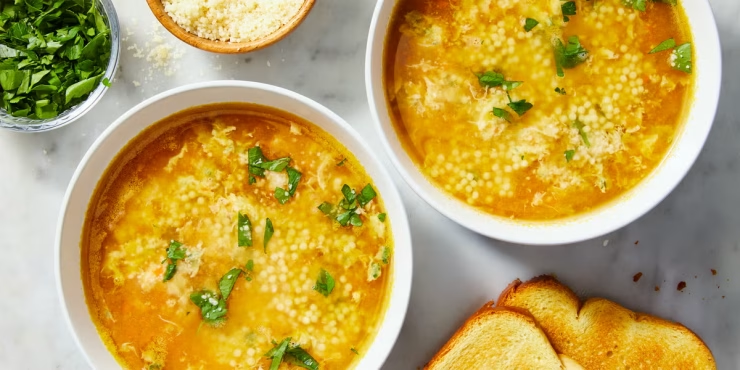
Stracciatella, often called “Italian egg drop soup,” is a Roman specialty that proves comfort doesn’t always require complexity. The soup starts with a simple chicken or meat broth, into which beaten eggs mixed with Parmesan cheese are slowly poured, creating delicate ribbons that float in the broth.
Sometimes semolina or breadcrumbs are added for extra body, but the result remains light yet warming. Stracciatella is often served as part of a festive meal, particularly during holidays, but it is equally perfect as a quick, nourishing dish on a cold evening.
Bollito Misto: A Northern Italian Classic
While technically more of a stew than a soup, bollito misto is a dish deeply tied to winter and tradition in northern Italy. Meaning “mixed boil,” this dish is prepared by simmering various cuts of meat, such as beef, veal, chicken, and sometimes tongue or cotechino sausage, along with vegetables and herbs. The slow cooking creates a flavorful broth, while the meats are served separately, often with mustard, salsa verde, or mostarda (candied fruit in syrup).
Bollito misto is often associated with Sunday dinners or festive occasions, bringing families together for a long, hearty meal. The broth produced in the cooking is also reused, often as a base for risotto or served as a first course with pasta.
Brodetto: Italian Fish Stew with Regional Twists
Along Italy’s coasts, seafood stews take center stage during the colder months. Brodetto, a general term for fish stew, varies dramatically depending on the region. In the Adriatic towns of Le Marche and Abruzzo, brodetto is made with a variety of fish and shellfish simmered in a tomato and wine broth, enriched with garlic and herbs. In Liguria, the flavors are more delicate, often featuring white wine, olive oil, and a touch of saffron.
The secret to a great brodetto lies in using a mix of fish, including small or bony varieties that impart depth to the broth. Traditionally, fishermen made brodetto with whatever catch was left unsold at market, ensuring nothing went to waste.
Zuppa di Ceci: Chickpea Soup for Hearty Comfort
Chickpeas are a staple of Italian cooking, and in winter they find their way into zuppa di ceci, a rustic and hearty soup. Often flavored with rosemary, garlic, and olive oil, the soup can be kept simple or enriched with pasta, greens, or even bits of pancetta.
Zuppa di ceci is particularly popular in central Italy, where it has long been valued for its affordability and nutritional power. It’s the kind of dish that nourishes deeply, providing warmth and energy during cold, dark evenings.
Spezzatino: Italy’s Answer to Stew
Spezzatino is the Italian version of a meat stew, typically prepared with beef or veal that is slowly braised with onions, carrots, celery, and red wine. Potatoes are often added, creating a complete one-pot meal that rivals any stew found across Europe.
Each region has its twist, northern Italy favors richer versions with plenty of red wine, while southern regions may include tomatoes and herbs. Regardless of where it’s made, spezzatino is the epitome of comfort food, offering tender bites of meat in a thick, flavorful sauce perfect for sopping up with bread.
Italian Lentil Soup: A Symbol of Prosperity
Lentils have long held symbolic meaning in Italy, particularly around New Year’s, when they are eaten to bring prosperity and good fortune. Italian lentil soup, made with vegetables, tomatoes, and sometimes sausage, is a warming dish that carries both flavor and tradition.
During winter, lentil soup is not only comforting but also nourishing, packed with protein and fiber to sustain you through cold days. It’s often paired with crusty bread, making it a simple yet filling meal.
Polenta-Based Soups and Stews
In northern Italy, where cornmeal polenta is a staple, it often plays a starring role in winter soups and stews. Thick polenta may serve as a base for rich meat ragùs or stews, while softer versions can be poured into bowls and topped with beans, mushrooms, or sausages.
Polenta itself is warming and versatile, making it an essential comfort food during the long winters of regions like Lombardy and Veneto.
The Ritual of Sharing
What makes comforting Italian soups and stews for winter truly special isn’t just their taste, it’s the ritual of sharing them. Whether it’s a family gathering around ribollita in Tuscany or fishermen enjoying brodetto by the sea, these dishes bring people together.
The aroma of a slow-cooked stew or a bubbling soup evokes feelings of home, safety, and tradition. They are meals designed not only to feed but to connect, reminding us of the importance of gathering around the table, especially when the cold sets in outside.
Conclusion
Comforting Italian soups and stews for winter capture the very essence of Italian cooking: simplicity, tradition, and a deep respect for seasonal ingredients. From the vegetable-rich ribollita of Tuscany to the meat-laden bollito misto of the north, and from humble lentil soups to luxurious seafood brodetti, each dish offers warmth and nourishment in its own way.
When winter feels unrelenting, a bowl of these Italian classics is like a hug from the inside, keeping you cozy while connecting you to centuries of culinary heritage. If you’re seeking comfort this season, look no further than these timeless Italian soups and stews.


Add comment