 Abraham
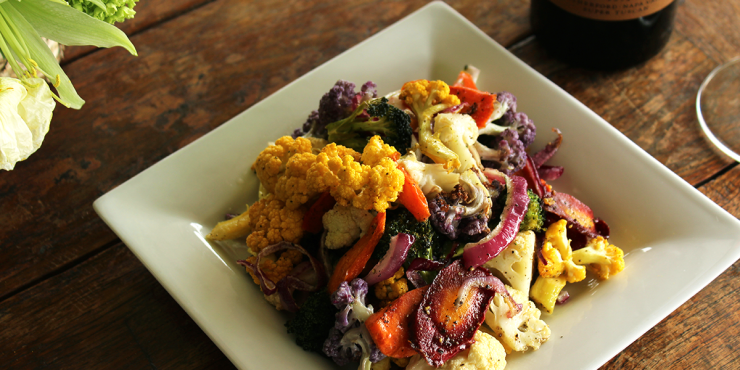
Italian roasted vegetables are a celebration of simplicity, freshness, and bold flavor. By combining seasonal vegetables with fragrant herbs and high-quality olive oil, you can create a dish that is both vibrant and comforting. Roasting brings out the natural sweetness of vegetables while intensifying their flavors, making them a perfect accompaniment to main dishes or a standout part of a vegetarian meal.
I have always appreciated the versatility of roasted vegetables. In Italy, they are a staple in home kitchens, trattorias, and family gatherings, served alongside pasta, grilled meats, or fresh bread. The method is straightforward, yet the results are always satisfying. Roasting is a technique that transforms humble vegetables into a dish worthy of attention, thanks to caramelization, concentrated flavors, and the addition of aromatic herbs.
In this guide, I will explore the history of roasted vegetables in Italian cuisine, how to select the best produce, step-by-step roasting instructions, tips for using herbs and olive oil effectively, and ideas for serving this classic Italian dish in ways that impress.
The Tradition of Roasted Vegetables in Italy
Roasted vegetables have a long tradition in Italian cooking, especially in regions where fresh produce is abundant. Tuscany, Lazio, and Campania are particularly known for incorporating seasonal vegetables into simple, flavorful dishes. Traditionally, these vegetables were roasted over open fires or in wood-fired ovens, creating a natural sweetness and depth of flavor that could not be achieved by boiling or steaming.
Roasting vegetables allows their natural sugars to caramelize, enhancing taste and aroma. Italian families often prepare large batches for weekly meals, serving them warm, at room temperature, or even cold as part of antipasti spreads. This versatility is one reason roasted vegetables are such a beloved component of Italian home cooking.
Choosing the Best Vegetables
Selecting fresh, seasonal vegetables is the first step to making exceptional Italian roasted vegetables:
- Zucchini and Eggplant: Soft and tender when roasted, they absorb olive oil and herbs beautifully.
- Bell Peppers: Sweet and colorful, adding visual appeal and flavor complexity.
- Carrots: Naturally sweet, their caramelization enhances the dish.
- Cherry Tomatoes: Burst in the oven, adding juicy, tangy notes.
- Onions and Shallots: Add depth of flavor and aromatic sweetness.
- Root Vegetables: Potatoes, parsnips, and sweet potatoes provide heartiness and texture.
Choose vegetables that are firm, vibrant, and free of blemishes. Seasonal produce ensures optimal flavor and enhances the authenticity of the dish.
Preparing Vegetables for Roasting
Preparation is key to achieving evenly roasted, flavorful vegetables:
- Wash and Dry: Clean vegetables thoroughly and pat dry to prevent excess moisture.
- Cut Uniformly: Slice or chop vegetables into similar-sized pieces to ensure even cooking.
- Preheat the Oven: A hot oven (around 400°F / 200°C) encourages caramelization.
- Season Simply: Toss vegetables with olive oil, salt, pepper, and chosen herbs before roasting.
Uniform preparation ensures that all vegetables cook evenly and develop a consistent texture and flavor.
Choosing Herbs and Seasonings
Herbs are central to Italian roasted vegetables, providing fragrance and depth without overpowering the natural flavors:
- Rosemary: Woody, aromatic, and perfect for root vegetables or potatoes.
- Thyme: Subtle and versatile, pairs well with almost any vegetable.
- Oregano: Brings a Mediterranean note, particularly good with zucchini and peppers.
- Sage: Adds earthy undertones, excellent with roasted squash or pumpkin.
- Parsley: Freshly chopped, added after roasting for a burst of color and freshness.
Additional seasonings such as garlic, red pepper flakes, or lemon zest can elevate the flavors further. The key is balance: herbs should complement, not dominate, the vegetables.
Step-by-Step Roasting Instructions
- Preheat Oven: Set oven to 400°F (200°C) for optimal roasting temperature.
- Prepare Baking Sheet: Line a sheet pan with parchment paper or lightly grease with olive oil.
- Toss Vegetables: Combine vegetables with olive oil, salt, pepper, and herbs in a large bowl.
- Spread Evenly: Arrange vegetables in a single layer on the baking sheet, leaving space for air circulation.
- Roast: Cook for 25–40 minutes, stirring halfway through to ensure even browning. Timing varies based on vegetable types and sizes.
- Check Doneness: Vegetables should be tender, caramelized, and lightly crisp at the edges.
- Finish with Fresh Herbs: Sprinkle with chopped parsley, a drizzle of olive oil, or a squeeze of lemon juice before serving.
These steps yield perfectly roasted vegetables, showcasing their natural sweetness and the aromatic qualities of fresh herbs.
Pairing Olive Oil with Roasted Vegetables
High-quality olive oil is crucial for authentic Italian flavor. Use extra virgin olive oil for richness, aroma, and a slightly fruity note. Tossing vegetables in olive oil before roasting helps them brown evenly and enhances their natural flavors. After roasting, a drizzle of fresh olive oil adds depth and a glossy finish.
Experiment with different regional olive oils. Tuscan oils tend to be robust and peppery, while Ligurian oils are lighter and more delicate. Selecting the right oil can subtly influence the overall taste of your dish.
Italian Roasted Vegetable Variations
Roasted vegetables are adaptable, allowing you to highlight seasonal produce or regional flavors:
- Tuscan Mix: Eggplant, zucchini, bell peppers, cherry tomatoes, garlic, rosemary.
- Autumn Root Medley: Carrots, parsnips, sweet potatoes, sage, and thyme.
- Mediterranean Style: Cherry tomatoes, red onions, bell peppers, zucchini, oregano, and a splash of balsamic vinegar.
- Simple Herb Focaccia Veggies: Toss with olive oil, rosemary, and serve with toasted focaccia.
- Garlic and Lemon Zest: Add minced garlic and lemon zest for bright, fragrant roasted vegetables.
These variations highlight the versatility of Italian roasted vegetables and make them suitable for any meal or occasion.
Serving Suggestions
Italian roasted vegetables can be served in numerous ways, making them a versatile component of your meal:
- As a Side Dish: Pair with grilled meats, roasted chicken, or fish for a complete meal.
- Over Pasta: Toss roasted vegetables with cooked pasta, olive oil, and Parmesan for a hearty vegetarian dish.
- With Polenta: Serve alongside creamy or grilled polenta for an authentic Italian combination.
- In Sandwiches: Layer roasted vegetables on fresh bread with mozzarella or goat cheese for a flavorful panini.
- As Part of an Antipasto Platter: Combine with olives, marinated artichokes, and cured meats for a colorful starter.
These serving ideas allow you to showcase roasted vegetables as both a supporting element and a featured dish.
Tips for Perfect Roasted Vegetables
- Cut Uniformly: Ensures even cooking and caramelization.
- Do Not Overcrowd: Spacing vegetables allows for proper browning.
- Use Hot Oven: Encourages caramelization and enhances natural sweetness.
- Season Well: Don’t be afraid to use salt, pepper, and herbs generously.
- Add Fresh Herbs at the End: Preserves flavor and visual appeal.
- Experiment with Vinegars: A splash of balsamic or red wine vinegar enhances complexity.
Following these tips ensures consistently delicious, beautifully roasted vegetables that highlight Italian flavors.
Pairing Italian Roasted Vegetables with Wine
The natural sweetness and herbaceous flavors of roasted vegetables pair beautifully with Italian wines:
- White Wines: Crisp whites like Vermentino, Soave, or Pinot Grigio highlight the freshness of roasted vegetables.
- Rosé Wines: Light rosés complement both earthy and sweet vegetables.
- Red Wines: Light-bodied reds, such as Chianti or Dolcetto, balance the richness of roasted root vegetables.
Choosing the right wine can elevate roasted vegetables from a simple side dish to a dining experience worthy of an Italian trattoria.
Bringing Italian Roasted Vegetables Home
Making Italian roasted vegetables at home allows you to embrace the principles of Italian cooking: fresh ingredients, simple preparation, and letting flavors shine. Each batch celebrates seasonality and showcases the natural sweetness and aroma of vegetables. Roasting is a technique that enhances the taste of everyday produce, transforming it into something extraordinary.
These vegetables are not only flavorful but also nutritious, versatile, and visually appealing. From weekday dinners to holiday meals, roasted vegetables can complement a wide range of main courses or stand alone as a delicious vegetarian option.
Conclusion
Italian roasted vegetables with herbs and olive oil are a testament to the power of simplicity and quality ingredients. From zucchini, eggplant, and bell peppers to carrots, tomatoes, and root vegetables, roasting brings out the best flavors in each ingredient. Fragrant herbs, high-quality olive oil, and thoughtful seasoning elevate the dish, making it a highlight of any meal.
Whether served as a side dish, tossed with pasta, layered over polenta, or presented on an antipasto platter, roasted vegetables can steal the show. Their versatility, depth of flavor, and beautiful presentation make them a staple of Italian cuisine and an essential addition to any home kitchen.
By following traditional Italian methods, using fresh ingredients, and experimenting with herbs and seasonings, you can create roasted vegetables that are vibrant, flavorful, and authentically Italian. This simple yet elegant dish captures the essence of Italy and brings the flavors of its countryside to your table.


Add comment