
 Abraham
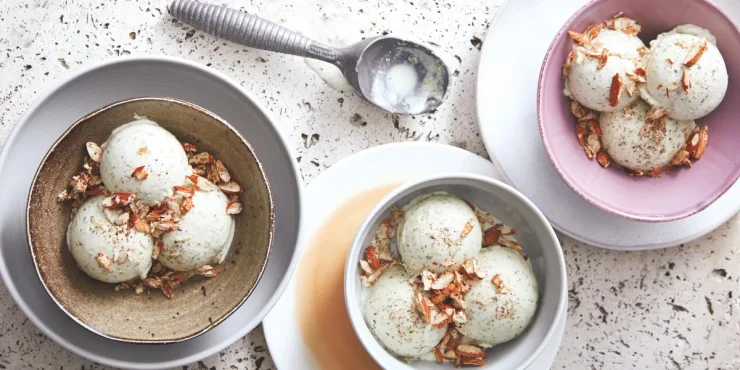
Gelato is one of Italy’s most beloved desserts, renowned for its creamy texture, rich flavor, and lower fat content compared to traditional ice cream. Unlike ice cream, gelato is churned at a slower speed and served at a slightly warmer temperature, giving it a dense, velvety consistency that melts in your mouth. Making gelato at home may seem intimidating at first, but with a few simple techniques and high-quality ingredients, anyone can create authentic Italian gelato in their own kitchen.
I have always enjoyed experimenting with gelato recipes because they allow me to combine fresh, seasonal ingredients with Italian culinary traditions. The beauty of homemade gelato lies in its versatility, creativity, and the ability to tailor flavors to your personal taste. In this guide, I will share essential tips, step-by-step instructions, and beginner-friendly recipes for making classic gelato at home.
The History of Gelato
Gelato has a long history in Italy, dating back to the Renaissance period. Its origins are often attributed to the inventive minds of Italian chefs who combined ice, sugar, milk, and flavorings to create refreshing desserts. Cosimo de’ Medici, the Grand Duke of Florence, and famous Florentine chefs like Bernardo Buontalenti contributed to popularizing frozen desserts in Italy.
Unlike ice cream, gelato emphasizes flavor and creaminess over fat content. Traditional gelato uses more milk than cream and often incorporates natural ingredients such as fresh fruits, nuts, chocolate, and coffee. This approach results in a dessert that is rich in flavor, lighter in texture, and more aromatic.
Essential Ingredients for Gelato
Using high-quality ingredients is crucial to achieving authentic gelato flavor and texture:
- Milk and Cream: Whole milk and a small amount of heavy cream create the perfect balance of creaminess and density.
- Sugar: Granulated sugar is the standard sweetener, though alternatives like honey or agave can add depth.
- Egg Yolks: Used in custard-based gelatos, egg yolks add richness and contribute to a smooth texture.
- Flavorings: Fresh fruit purees, chocolate, nuts, coffee, and vanilla extract are common choices.
- Optional Add-Ins: Chopped nuts, chocolate chips, or cookie crumbs can be folded in after churning.
Selecting fresh, high-quality ingredients ensures that the final gelato is rich in flavor and authentic in texture.
Equipment You’ll Need
While gelato can be made without specialized tools, having the right equipment simplifies the process:
- Ice Cream Maker or Gelato Machine: Helps achieve smooth, creamy gelato by churning and freezing simultaneously.
- Mixing Bowls: For preparing the base and folding in flavorings.
- Whisk or Electric Mixer: Ensures custard or fruit bases are smooth and well-combined.
- Thermometer: Useful for custard-based gelato to monitor cooking temperatures.
- Freezer-Safe Container: For storing gelato before serving.
Even beginners can achieve excellent results with a basic ice cream maker and standard kitchen tools.
Making a Simple Gelato Base
A good gelato starts with a solid base, either custard-based (crema) or water-based (frutta):
Custard-Based Gelato (Crema)
- Heat Milk and Cream: Warm milk and cream over medium heat until steaming.
- Whisk Egg Yolks and Sugar: Beat yolks with sugar until pale and thick.
- Temper the Eggs: Slowly add hot milk to the yolk mixture while whisking to prevent curdling.
- Cook the Custard: Return the mixture to the stove and cook until it thickens slightly, reaching about 170°F (77°C).
- Cool and Chill: Allow the custard to cool, then refrigerate for several hours before churning.
Fruit-Based Gelato (Frutta)
- Prepare Fruit Puree: Blend fresh or frozen fruit until smooth.
- Add Sugar and Lemon Juice: Sweeten the puree and add acidity to balance flavors.
- Chill the Mixture: Refrigerate before churning to enhance texture.
Custard-based gelatos are rich and creamy, while fruit-based gelatos are refreshing and light.
Churning Gelato
Churning is what gives gelato its signature texture:
- Pre-Chill the Bowl: Ensure your ice cream maker bowl is frozen according to manufacturer instructions.
- Pour Base into Machine: Pour custard or fruit mixture into the ice cream maker.
- Churn: Turn on the machine and churn until gelato thickens, usually 20–40 minutes depending on the machine and recipe.
- Add Mix-Ins: Fold in nuts, chocolate, or other ingredients in the final minutes of churning.
- Transfer to Container: Place the gelato in a freezer-safe container and smooth the surface.
Churning introduces air and prevents large ice crystals, resulting in creamy, dense gelato.
Classic Gelato Flavors for Beginners
Here are some beginner-friendly gelato flavors to try at home:
Vanilla Gelato
- Custard base with pure vanilla extract or vanilla bean seeds.
- Smooth, creamy, and versatile for pairing with desserts or fresh fruit.
Chocolate Gelato
- Use cocoa powder or melted high-quality chocolate.
- Fold in chocolate chips for texture.
Strawberry Gelato
- Puree fresh strawberries and mix with sugar.
- Optional lemon juice enhances the natural sweetness.
Hazelnut Gelato
- Use roasted hazelnut paste or finely ground nuts.
- Adds nutty richness, perfect with chocolate or coffee gelato.
Coffee Gelato
- Infuse custard with strong espresso or coffee grounds.
- Optional coffee liqueur enhances flavor depth.
Starting with these classic flavors allows beginners to master the basics before experimenting with more complex combinations.
Tips for Creamy, Smooth Gelato
- Chill Base Thoroughly: Cold bases churn more effectively and create a smooth texture.
- Do Not Overchurn: Overchurning can make gelato icy or dense.
- Use Fresh Ingredients: Fresh milk, cream, and flavorings enhance taste.
- Store Properly: Keep gelato in an airtight container to prevent ice crystals.
- Serve Slightly Softened: Allow gelato to sit for a few minutes at room temperature for easier scooping.
These tips ensure that homemade gelato rivals the texture and flavor of Italian gelaterias.
Variations and Creative Ideas
Once comfortable with basic gelato, beginners can experiment with creative variations:
- Tiramisu Gelato: Layer custard gelato with coffee-soaked ladyfingers and cocoa.
- Citrus Sorbetto: Combine lemon, orange, or blood orange juice with sugar and water for a refreshing fruit gelato.
- Nut and Chocolate Swirl: Combine chocolate gelato with chopped nuts and a caramel swirl.
- Seasonal Fruits: Use berries, peaches, or figs for vibrant, seasonal gelato flavors.
- Herb Infusions: Add fresh basil, mint, or rosemary for a unique aromatic twist.
Exploring these variations keeps gelato exciting and allows for seasonal and regional creativity.
Serving Homemade Gelato
Serving gelato is as important as making it:
- Scoop with a Warm Spoon: Dipping the spoon in hot water ensures smooth, even scoops.
- Presentation: Serve in bowls, glasses, or cones for visual appeal.
- Toppings: Fresh fruit, chocolate shavings, nuts, or a drizzle of syrup enhance both taste and appearance.
- Pairing: Gelato pairs wonderfully with Italian desserts like cannoli, biscotti, or panna cotta.
Proper serving enhances the sensory experience and showcases your homemade creation.
Health Benefits
Homemade gelato can be a healthier alternative to traditional ice cream:
- Lower Fat Content: Uses more milk than cream, making it lighter.
- High-Quality Ingredients: Fresh ingredients without preservatives or artificial flavors.
- Customizable Sugar Levels: Control sweetness according to taste.
- Nutrient-Rich Flavorings: Fruits, nuts, and coffee add vitamins, minerals, and antioxidants.
Gelato allows indulgence without excess guilt while remaining delicious and satisfying.
Common Mistakes to Avoid
- Skipping Chilling Steps: Leads to poor texture.
- Over-Soaking Fruit: Results in watery, icy gelato.
- Overchurning Custard: Makes gelato dense or icy.
- Using Low-Quality Ingredients: Significantly affects flavor and texture.
- Ignoring Serving Temperature: Gelato should be slightly soft, not frozen rock hard.
Avoiding these mistakes ensures consistently delicious results.
Bringing Gelato to Your Table
Making gelato at home is a rewarding experience that embodies Italian culinary philosophy. It emphasizes fresh ingredients, careful technique, and attention to detail. Each batch is an opportunity to experiment with flavors, textures, and seasonal ingredients, providing a creative and delicious way to celebrate Italian dessert traditions.
Homemade gelato allows you to bring the taste of Italy into your kitchen, impress guests, and enjoy a refreshing, indulgent treat year-round. The process, from preparing the base to churning and serving, provides a sense of accomplishment and satisfaction that store-bought gelato cannot match.
Conclusion
Gelato is a quintessential Italian dessert, celebrated for its creamy texture, rich flavor, and elegance. Making gelato at home may seem daunting, but with proper ingredients, equipment, and techniques, beginners can create authentic, restaurant-quality gelato in their own kitchen.
From custard-based flavors like vanilla and chocolate to fruit-based gelatos featuring strawberries or citrus, the possibilities are endless. Experimenting with creative variations, infusions, and mix-ins allows for personalization while remaining true to Italian traditions.
By mastering these techniques, you can enjoy fresh, homemade gelato that is both satisfying and authentic. Whether served at a casual family gathering or a sophisticated dinner party, homemade gelato brings a taste of Italy to your table, delighting both the palate and the senses.


Add comment