
 Abraham
Zabaglione is a classic Italian dessert that epitomizes elegance, simplicity, and flavor. Known for its light, frothy texture and subtle sweetness, this custard-like treat has delighted Italian tables for centuries. Traditionally served warm over fresh fruit, cookies, or as a standalone dessert, zabaglione is both a showpiece and comfort food. Making it at home allows you to experience its delicate texture and rich flavor while connecting with Italy’s culinary history.
I have always enjoyed zabaglione not just for its taste, but for the art and technique involved in its preparation. The dessert is deceptively simple, requiring only a few ingredients, but it demands precision, patience, and an understanding of heat and technique. This guide will explore the history of zabaglione, the traditional ingredients and equipment, step-by-step preparation, variations, serving suggestions, and tips for achieving the perfect custard.
The History of Zabaglione
Zabaglione, also known as “zabaione” in some regions, has roots in northern Italy, particularly Piedmont and Lombardy. Its origins date back to the Renaissance, with some records attributing the creation to Tuscan kitchens in the 16th century. The name “zabaglione” is thought to derive from “sambayon,” referring to Saint Pasquale Baylon, the patron saint of bakers and pastry chefs.
Originally, zabaglione was made with simple, locally available ingredients, egg yolks, sugar, and sweet wine such as Marsala. Over time, it became a festive dessert, often served during celebrations and special occasions. Its popularity spread across Italy, with regional variations incorporating different wines, spirits, and accompaniments. Today, zabaglione is enjoyed worldwide, a testament to its timeless appeal.
Essential Ingredients
Zabaglione requires only a few ingredients, but quality is essential:
- Egg Yolks: Fresh, high-quality yolks provide richness and structure.
- Sugar: Granulated sugar sweetens the custard and stabilizes the froth.
- Sweet Wine or Liqueur: Marsala wine is traditional, but other options include Moscato, Vin Santo, or even brandy.
- Optional Flavorings: Vanilla, citrus zest, or liqueurs can enhance flavor.
The simplicity of the ingredients highlights the importance of technique and freshness.
Equipment Needed
Proper equipment ensures successful zabaglione:
- Heatproof Bowl: Used for the double-boiler method, preventing direct heat from cooking the eggs too quickly.
- Saucepan: Holds simmering water for the double-boiler.
- Whisk: A sturdy whisk is necessary for incorporating air and achieving a light, frothy texture.
- Thermometer (Optional): Helps maintain the correct temperature to prevent curdling.
Having the right tools makes the process more controlled and enjoyable.
Step-by-Step Zabaglione Preparation
Making zabaglione involves careful attention to temperature and whisking:
- Set Up a Double Boiler: Fill a saucepan with an inch or two of water and bring to a gentle simmer. Ensure the bowl fits over the pan without touching the water.
- Whisk Yolks and Sugar: Combine egg yolks and sugar in the heatproof bowl, whisking until pale and slightly thickened.
- Add Wine Gradually: Pour in the wine slowly while continuing to whisk, ensuring the mixture is smooth.
- Cook Over Gentle Heat: Place the bowl over simmering water and whisk constantly. The mixture should increase in volume and become light and frothy.
- Monitor Temperature: Aim for a warm, thick consistency without curdling the eggs. The custard is ready when it leaves a trail on the whisk and holds soft peaks.
- Serve Immediately: Zabaglione is best enjoyed warm, spooned over fruit, cookies, or in a glass for a standalone dessert.
Consistent whisking and careful heat control are essential to prevent the eggs from scrambling and to achieve a smooth, airy custard.
Serving Suggestions
Zabaglione can be enjoyed in a variety of ways:
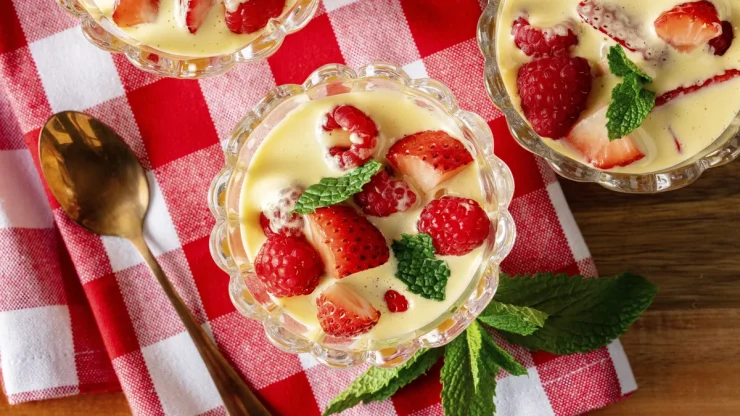
- Over Fresh Fruit: Strawberries, figs, or peaches complement the custard’s sweet, wine-infused flavor.
- With Cookies or Biscotti: Spoon over crisp Italian cookies for a decadent treat.
- As a Standalone Dessert: Serve in individual glasses, garnished with a sprinkle of cocoa, nutmeg, or citrus zest.
- Layered in Parfaits: Combine zabaglione with layers of sponge cake, berries, or whipped cream for an elegant dessert presentation.
The versatility of serving options makes zabaglione suitable for casual family meals or sophisticated dinner parties.
Tips for Perfect Zabaglione
- Use Gentle Heat: Avoid high heat to prevent curdling and maintain a smooth texture.
- Whisk Constantly: Continuous whisking incorporates air and ensures a light, frothy custard.
- Choose Quality Wine: The flavor of zabaglione comes largely from the wine, so select one you enjoy drinking.
- Serve Fresh: Zabaglione loses its froth and texture if stored too long; it is best served immediately.
- Experiment with Flavors: Add a splash of liqueur, citrus zest, or vanilla extract to personalize your custard.
Attention to these details ensures a silky, airy dessert with authentic Italian flavor.
Regional Variations
Italy has developed several regional variations of zabaglione:
- Piedmont: Uses Marsala wine and traditionally accompanies cantucci or biscotti.
- Sicily: Sometimes incorporates citrus liqueurs or serves chilled with fresh orange segments.
- Northern Italy: Variations may include brandy or Vin Santo for different flavor profiles.
- Modern Twists: Some chefs fold whipped cream into the zabaglione for a lighter texture or layer it with sponge cake for an indulgent dessert.
Exploring these variations allows you to appreciate the diversity and creativity within Italian pastry traditions.
Zabaglione with Alcohol-Free Options
For those avoiding alcohol, you can make zabaglione with fruit juice or sparkling grape juice. The technique remains the same, but the flavor is fruitier and less intense. Adjust sugar to balance the sweetness, and consider adding a splash of vanilla or citrus zest to enhance depth.
Pairing Zabaglione
Zabaglione pairs beautifully with Italian beverages and desserts:
- Dessert Wines: Vin Santo, Moscato, or sweet Marsala complement the custard.
- Coffee or Espresso: The richness of espresso contrasts nicely with the light, frothy custard.
- Fruit-Based Desserts: Serve over fresh berries, poached pears, or baked figs.
- Chocolate Desserts: Spoon over chocolate cake or brownies for a decadent twist.
Pairing enhances the flavor experience and showcases the versatility of zabaglione.
Making Zabaglione in Advance
While zabaglione is best served immediately, it can be prepared in stages:
- Egg Yolks and Sugar: Whisk together and refrigerate briefly before adding wine and cooking.
- Wine: Can be measured and kept ready for gradual incorporation.
- Chilled Variants: Some prefer chilled zabaglione, whipped until thick and creamy, served as a mousse.
Planning ahead allows you to enjoy the dessert without stress while maintaining its delicate texture.
Common Mistakes and Troubleshooting
- Curdled Eggs: Often caused by excessive heat or insufficient whisking. Reduce heat and whisk constantly.
- Too Thin: Continue whisking over gentle heat until custard thickens.
- Too Sweet: Adjust sugar according to the wine’s sweetness. Some wines require less added sugar.
- Overheated: Custard should be warm and airy, not hot or scrambled. Remove from heat promptly.
Being aware of these potential issues ensures a smooth, frothy, and flavorful custard.
Bringing Italian Tradition to Your Home
Making zabaglione at home is a way to connect with Italian culinary history and enjoy a classic dessert that is both sophisticated and comforting. The process highlights the importance of simple ingredients treated with care, patience, and attention to technique.
Serving zabaglione allows you to bring a taste of Italy to your table, whether for family dinners, celebrations, or intimate gatherings. The dessert embodies Italian values of flavor, elegance, and creativity, making every spoonful a moment to savor.
Conclusion
Zabaglione is a timeless Italian dessert that combines simplicity, elegance, and flavor. With just a few ingredients, egg yolks, sugar, and sweet wine, you can create a frothy, luxurious custard that delights the senses. By following traditional techniques, paying attention to heat and whisking, and experimenting with variations and serving options, you can craft authentic zabaglione at home.
This dessert is versatile, pairing beautifully with fresh fruit, cookies, chocolate, and dessert wines, making it suitable for any occasion. Zabaglione represents the heart of Italian culinary tradition: simple, high-quality ingredients transformed into something extraordinary through care and technique.
Whether served warm over fruit, chilled as a mousse, or layered in a sophisticated dessert, zabaglione offers a taste of Italy that is both classic and timeless. By mastering this custard, you not only enjoy a delicious treat but also connect with centuries of Italian culinary history, bringing a piece of Italian elegance into your own kitchen.


Add comment