 Abraham
Ricotta cheesecake is a classic Italian dessert that showcases the creamy, slightly sweet flavor of ricotta cheese. Unlike the dense, heavy cheesecakes commonly found in the United States, Italian ricotta cheesecake is lighter, with a delicate texture and a subtle sweetness that allows the cheese to shine. It is a dessert that combines simplicity, elegance, and authentic Italian flavors, making it a perfect addition to any dinner table.
I have always loved ricotta cheesecake for its versatility and the way it highlights one of Italy’s most beloved cheeses. Its texture is soft yet slightly firm, and its flavor can be enhanced with citrus zest, vanilla, or liqueur. In this guide, I will walk you through the history of ricotta cheesecake, essential ingredients, step-by-step preparation, variations, serving tips, and common mistakes to avoid, ensuring you can make this dessert perfectly at home.
The History of Ricotta Cheesecake
Ricotta cheesecake has deep roots in Italian culinary tradition, particularly in regions such as Sicily, Campania, and Lazio. Unlike American-style cheesecakes that often use cream cheese, Italian ricotta cheesecake relies on fresh ricotta, which gives it a lighter and more delicate flavor.
Historically, ricotta was a staple ingredient in Italian households, used in both savory and sweet dishes. Combining ricotta with sugar and eggs to create a dessert was a natural progression, resulting in a cheesecake that was celebrated during festivals, holidays, and family gatherings. Over time, variations developed, incorporating citrus zest, chocolate chips, or liqueurs to enhance flavor.
Essential Ingredients
The success of ricotta cheesecake relies on the quality of its ingredients:
- Ricotta Cheese: Fresh, high-quality ricotta is essential. Whole milk ricotta provides creaminess, while sheep’s milk ricotta adds a more pronounced flavor.
- Sugar: Balances the natural mildness of ricotta and creates a light sweetness.
- Eggs: Provide structure and richness.
- Flavorings: Vanilla extract, lemon or orange zest, and liqueurs like limoncello enhance the dessert.
- Crust Ingredients (Optional): Some variations include a thin crust made from crushed cookies or pastry.
Using fresh, high-quality ingredients ensures a cheesecake that is creamy, flavorful, and authentically Italian.
Equipment Needed
Preparing ricotta cheesecake at home requires minimal equipment:
- Mixing Bowls: For combining ricotta, sugar, eggs, and flavorings.
- Electric Mixer or Whisk: To create a smooth, creamy filling.
- Springform Pan: Ideal for baking and easy removal of the cheesecake.
- Spatula: For folding ingredients gently and smoothing the top.
- Zester: To add citrus zest for flavor enhancement.
Having the right tools makes the process straightforward and ensures a professional-looking result.
Step-by-Step Preparation
Making ricotta cheesecake involves careful mixing and baking to achieve the perfect texture:
- Preheat Oven: Set the oven to 350°F (175°C).
- Prepare Ricotta: Drain excess liquid from ricotta to avoid a watery cheesecake. Smooth it with a spoon or whisk to eliminate lumps.
- Mix Ingredients: In a large bowl, combine ricotta, sugar, eggs, and flavorings. Beat gently until smooth and creamy. Overmixing can introduce too much air, causing cracks during baking.
- Prepare Pan: Grease a springform pan and, if desired, line the bottom with a thin layer of crushed cookies or pastry for a light crust.
- Pour Filling: Transfer the ricotta mixture into the pan, smoothing the top with a spatula.
- Bake: Place the pan in the oven and bake for 45–60 minutes, or until the cheesecake is set but slightly jiggly in the center. Avoid overbaking to maintain a creamy texture.
- Cool: Allow the cheesecake to cool to room temperature, then refrigerate for at least 4 hours or overnight.
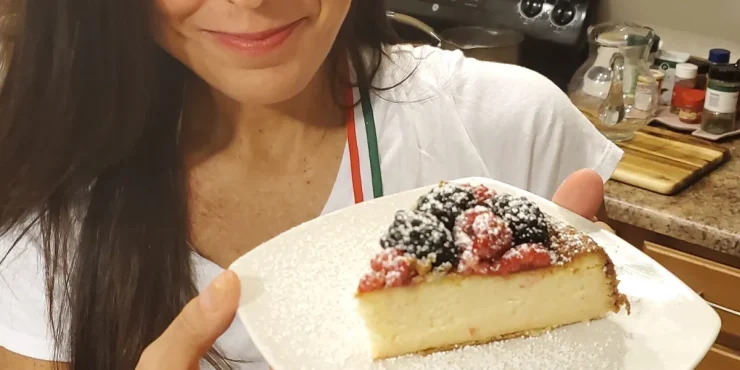
- Serve: Remove the cheesecake from the pan and garnish with powdered sugar, fresh berries, or a drizzle of chocolate or fruit sauce.
The key to a successful ricotta cheesecake is gentle handling and careful baking to preserve the smooth, creamy texture.
Variations of Ricotta Cheesecake
Ricotta cheesecake is versatile, allowing for various flavor combinations:
- Citrus Ricotta Cheesecake: Add lemon or orange zest to the filling for a bright, refreshing flavor.
- Chocolate Chip Ricotta Cheesecake: Fold in dark or milk chocolate chips for added texture and sweetness.
- Liqueur-Infused Cheesecake: Incorporate limoncello, amaretto, or other Italian liqueurs to enhance flavor.
- Nutty Cheesecake: Sprinkle crushed pistachios, almonds, or hazelnuts on top or into the filling.
- Fruit-Topped Cheesecake: Fresh berries, figs, or poached fruits complement the creamy ricotta base beautifully.
Experimenting with these variations allows you to customize the dessert while staying true to Italian tradition.
Serving Ricotta Cheesecake
- Individual Slices: Cut cheesecake into even slices for elegant presentation.
- Garnishes: Top with powdered sugar, citrus zest, fresh berries, or a drizzle of chocolate or caramel.
- Accompaniments: Serve alongside biscotti, fresh fruit, or a cup of espresso to enhance the Italian experience.
- Occasions: Ricotta cheesecake is suitable for holidays, dinner parties, or casual family gatherings, offering a sophisticated yet approachable dessert option.
Presentation plays a significant role in enhancing the appeal and experience of this classic Italian dessert.
Tips for Perfect Ricotta Cheesecake
- Drain Ricotta Properly: Excess liquid can make the cheesecake runny.
- Avoid Overmixing: Incorporate air gently to prevent cracks and maintain a smooth texture.
- Bake Slowly: A moderate oven temperature ensures even baking without overcooking.
- Cool Gradually: Allow the cheesecake to cool in the oven with the door slightly open to avoid sudden temperature changes that may cause cracks.
- Chill Before Serving: Refrigeration allows the cheesecake to set fully and enhances flavor.
These tips ensure a creamy, smooth, and flavorful cheesecake every time.
Common Mistakes
- Runny Cheesecake: Usually caused by undrained ricotta or underbaking.
- Cracked Top: Often results from overmixing, baking at too high a temperature, or rapid cooling.
- Overly Sweet: Balance sugar carefully to let the natural flavor of ricotta shine.
- Dense Texture: Overmixing or adding too much flour can result in a heavy cheesecake.
Avoiding these mistakes preserves the delicate balance and authenticity of Italian ricotta cheesecake.
Pairing Ricotta Cheesecake
Ricotta cheesecake pairs wonderfully with complementary flavors:
- Fresh Fruit: Berries, figs, or poached pears highlight the mild sweetness of ricotta.
- Chocolate or Caramel: Drizzles enhance richness without overwhelming the dessert.
- Coffee or Espresso: A classic Italian pairing that complements the creamy texture.
- Nuts: Pistachios, almonds, or hazelnuts add crunch and contrast.
Thoughtful pairings elevate ricotta cheesecake from a simple dessert to a sophisticated experience.
Seasonal Adaptations
Ricotta cheesecake can be adapted for seasonal flavors:
- Summer: Fresh berries or citrus zest create a light, refreshing dessert.
- Autumn: Pumpkin, caramel, or spiced nuts add warmth and depth.
- Winter: Chocolate, chestnut, or festive liqueurs provide richness for the holiday season.
- Spring: Lemon, strawberry, or floral-infused variations reflect the freshness of the season.
Seasonal adaptations allow this classic dessert to remain relevant year-round.
Bringing Italian Tradition Home
Making ricotta cheesecake at home connects you with authentic Italian culinary traditions. It emphasizes quality ingredients, simple preparation, and attention to texture and flavor. This dessert demonstrates how a few fresh ingredients, treated with care, can create something extraordinary.
Sharing ricotta cheesecake with family or friends allows you to bring the warmth and sophistication of Italian cuisine into your home. Its versatility and elegance make it suitable for a variety of occasions, from casual dinners to festive celebrations.
Conclusion
Ricotta cheesecake the Italian way is a dessert that celebrates simplicity, flavor, and tradition. Its light, creamy texture and delicate sweetness set it apart from heavier cheesecakes, allowing the flavor of fresh ricotta to shine.
With a few high-quality ingredients and careful preparation, anyone can recreate this classic Italian dessert at home. Variations such as citrus zest, chocolate chips, liqueurs, and fresh fruit add creativity while staying true to tradition. Proper baking, cooling, and serving techniques ensure a cheesecake that is smooth, creamy, and visually appealing.
Ricotta cheesecake is more than just a dessert; it is a reflection of Italy’s culinary philosophy, turning simple ingredients into something elegant and memorable. By mastering this recipe, you can bring the flavors and traditions of Italy to your own kitchen, creating a treat that delights family, friends, and anyone who experiences it.


Add comment