
 Abraham
Pairing wine with dessert is an art, and Italian cuisine offers an extraordinary selection of sweet wines that complement the country’s diverse desserts. From creamy ricotta cheesecake to rich tiramisu, Italy provides both the desserts and the wines to create an unforgettable dining experience. Pairing the right wine with dessert enhances flavors, balances sweetness, and elevates the overall enjoyment of a meal.
I have always been fascinated by how Italian sweet wines harmonize with desserts. Each wine has a unique character, influenced by its region, grape variety, and production method. Understanding how to match wines with desserts allows you to enjoy the full spectrum of Italian flavors at home. In this guide, I will explore the best Italian wines for dessert, pairing principles, classic combinations, and tips for serving wines with sweets.
Italian Dessert Wines: An Overview
Italy is renowned for its wide variety of dessert wines, which vary in sweetness, body, and flavor profile. Some of the most celebrated include:
- Moscato d’Asti: A lightly sparkling, sweet wine from Piedmont. It is aromatic, with notes of peach, apricot, and floral undertones.
- Vin Santo: A traditional Tuscan dessert wine made from dried grapes, often paired with cantucci biscuits. It has caramel, nutty, and dried fruit flavors.
- Passito Wines: Produced from dried grapes, these wines are intensely sweet and flavorful. Examples include Passito di Pantelleria and Recioto della Valpolicella.
- Brachetto d’Acqui: A red, sparkling dessert wine from Piedmont with strawberry and rose notes, offering a light and fruity pairing for chocolate or berry desserts.
- Marsala: A fortified wine from Sicily, often used in cooking but also enjoyed as a dessert wine. Marsala can be dry or sweet and has rich, nutty flavors.
Each of these wines has a distinctive profile, making it possible to pair them with a wide range of Italian desserts, from creamy and nutty to chocolatey or fruity.
Principles of Pairing Wine with Dessert
When pairing wine with desserts, several key principles ensure harmony:
- Match Sweetness: The wine should be at least as sweet as the dessert to prevent the wine from tasting bitter or sour.
- Balance Flavors: Consider the dominant flavors in the dessert and choose a wine that complements or contrasts appropriately.
- Texture Matters: Creamy desserts pair well with wines that have body, while lighter desserts work with lighter, sparkling wines.
- Consider Acidity: Wines with good acidity can balance rich or overly sweet desserts, cleansing the palate between bites.
Following these principles allows for successful and enjoyable pairings, whether serving a casual dessert or hosting a dinner party.
Pairing Wine with Classic Italian Desserts
Tiramisu
Tiramisu, the iconic coffee-flavored dessert, combines layers of mascarpone, espresso-soaked ladyfingers, and cocoa powder. It is rich, creamy, and slightly bitter from the coffee.
- Recommended Wines: Vin Santo or Passito di Pantelleria. These sweet wines complement the creaminess of mascarpone while balancing the coffee’s bitterness. Brachetto d’Acqui also works for a lighter, fruitier option.
Ricotta Cheesecake
Ricotta cheesecake is lighter than American-style cheesecake, with a delicate, slightly tangy flavor. Citrus zest, chocolate chips, or liqueurs may enhance the dessert.
- Recommended Wines: Moscato d’Asti pairs beautifully, as its slight effervescence and fruit notes complement the creamy ricotta. A lightly sweet Marsala or Vin Santo can also elevate the flavors.
Cannoli
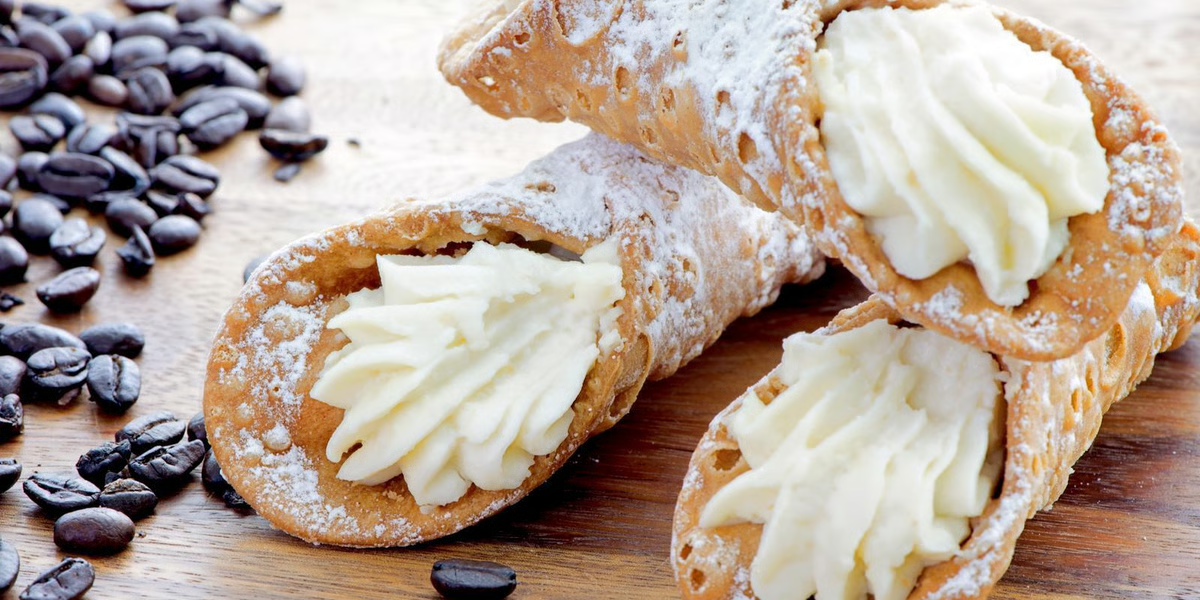
Cannoli, filled with sweetened ricotta and often studded with chocolate chips or candied fruit, is a Sicilian classic. The pastry shell adds crunch, contrasting the creamy filling.
- Recommended Wines: Marsala, especially sweet or medium-sweet versions, enhances the nutty, creamy filling. Passito wines also pair well with the richness of the ricotta and chocolate.
Panna Cotta
Panna cotta, a creamy molded dessert often served with fruit coulis or caramel, is delicate and smooth.
- Recommended Wines: Moscato d’Asti complements the creamy texture and light sweetness. A dry or sweet Brachetto d’Acqui works well if the dessert is served with berry toppings, adding a fruity accent.
Gelato
Gelato offers a wide range of flavors, from rich chocolate to fresh fruit. Pairing depends on the flavor profile:
- Chocolate Gelato: Sweet Marsala or Vin Santo enhances the chocolate’s richness.
- Fruit Gelato: Moscato d’Asti or Brachetto d’Acqui adds refreshing fruit notes and balances acidity.
- Nutty Gelato (Pistachio or Hazelnut): Passito wines complement the nutty flavors and add sweetness.
Regional Dessert Wine Pairings
Italian desserts are often regional, and pairing wines from the same region creates a harmonious, authentic experience:
- Sicily: Cannoli and Marsala or Passito di Pantelleria.
- Tuscany: Cantucci biscuits with Vin Santo.
- Piedmont: Chocolate desserts with Brachetto d’Acqui or Moscato d’Asti.
- Veneto: Crostata or fruit tarts with Recioto della Valpolicella.
This regional approach emphasizes Italy’s culinary diversity and the connection between local ingredients, desserts, and wines.
Serving Tips
- Chill Appropriately: Dessert wines should be served slightly chilled, depending on the style. Moscato d’Asti is best lightly chilled, while fortified wines like Marsala can be served at room temperature.
- Use the Right Glassware: Small dessert wine glasses concentrate aromas and allow for a more refined tasting experience.
- Serve in Small Portions: Sweet wines are rich and best enjoyed in moderation. A few ounces per serving is ideal.
- Pair Thoughtfully: Match wine intensity with dessert richness to ensure one does not overpower the other.
Proper serving enhances the sensory experience and showcases the dessert and wine harmoniously.
Creative Pairings
- Chocolate and Berries: Pair dark chocolate desserts with Brachetto d’Acqui or a sweet Passito to balance bitterness and enhance fruit notes.
- Citrus Flavors: Lemon or orange-based desserts match well with Moscato d’Asti, bringing out freshness and brightness.
- Nutty Desserts: Almond, pistachio, or hazelnut desserts pair beautifully with Marsala or Passito wines.
- Coffee-Flavored Desserts: Tiramisu or espresso-flavored treats harmonize with Vin Santo or sweet Marsala.
Exploring creative pairings allows you to tailor wine choices to specific desserts, enhancing flavor and enjoyment.
Common Pairing Mistakes
- Too Dry a Wine: Serving a dry wine with a very sweet dessert can make the wine taste bitter and unbalanced.
- Overly Sweet Wine: Pairing a very sweet wine with a lightly sweet dessert can overwhelm the palate.
- Ignoring Acidity: Desserts with citrus or tart fruit benefit from wines with good acidity to balance flavors.
- Mismatch of Texture: Creamy desserts are best paired with wines that complement their texture rather than contrast harshly.
Being mindful of these factors ensures a successful and pleasurable pairing experience.
Bringing the Italian Dessert Experience Home
Pairing Italian desserts with wine is more than a culinary practice; it is a celebration of flavor, culture, and tradition. By selecting the right wines, you can recreate the elegance of Italian dining in your own home. Hosting a dessert and wine tasting allows guests to explore the nuances of each pairing, highlighting the harmony between sweet treats and complementary wines.
From Moscato d’Asti’s gentle sparkle to Vin Santo’s nutty depth, each wine adds dimension to Italian desserts. Careful attention to flavor, texture, and sweetness ensures that every bite and sip is a delightful experience.
Conclusion
Italian desserts are renowned for their flavor, simplicity, and elegance, and pairing them with the right wine enhances their appeal. Sweet wines like Moscato d’Asti, Vin Santo, Passito, Brachetto d’Acqui, and Marsala provide a range of options that complement various desserts, from creamy ricotta cheesecake to chocolate gelato and traditional cannoli.
Understanding principles of pairing, matching sweetness, balancing flavors, considering texture, and accounting for acidity, ensures harmony between dessert and wine. Regional pairings offer an authentic experience, while creative combinations allow for experimentation and personal expression.
Serving dessert wines appropriately, in the right glassware and portion, further enhances the experience. Whether for casual gatherings, festive occasions, or an elegant dinner, pairing Italian desserts with the best wines elevates both the dessert and the overall meal.
By mastering these pairings, you can enjoy Italy’s rich culinary tradition in your own home, creating memorable dessert experiences that highlight the best of Italian flavors, craftsmanship, and culture.


Add comment