 Abraham
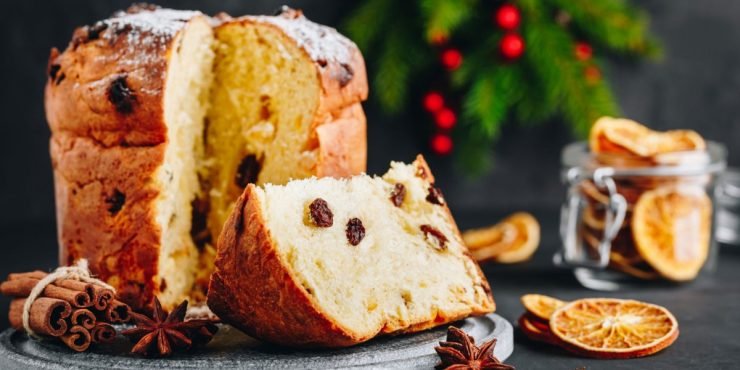
Panettone is one of Italy’s most iconic holiday desserts. This tall, domed sweet bread, studded with raisins, candied orange, and lemon peel, has become a symbol of Christmas and New Year celebrations across Italy and beyond. Its unique texture, light, airy, and slightly sweet, makes it a standout among festive baked goods, and baking it at home is both a rewarding and delicious challenge.
I have always been drawn to panettone for its rich flavor, history, and the sheer joy it brings during the holiday season. Each bite tells a story, from its origins in Milan to the variations found across Italy today. In this article, I will take you through the fascinating history of panettone, explain its ingredients and traditional preparation, provide a step-by-step baking guide, and offer tips to master this beloved Italian treat in your own kitchen.
The Origins of Panettone
Panettone’s history is rooted in Milan, and it is widely believed to have originated during the Middle Ages. According to legend, a young Milanese nobleman named Toni created the sweet bread as a way to impress his beloved, using leftover ingredients from the baker’s workshop. The bread became known as “Pane di Toni,” which eventually evolved into “Panettone.”
Historical records suggest that panettone was enjoyed primarily by the wealthy due to its expensive ingredients, including butter, sugar, eggs, and dried fruits. Over time, it became associated with Christmas festivities, as families would gather to share the special bread as part of their holiday celebrations.
In the 20th century, panettone spread across Italy and eventually worldwide, becoming a staple in Italian households and gourmet shops during the festive season. Today, panettone is recognized for its tall, domed shape, soft crumb, and the delicate balance of sweet and fruity flavors.
Essential Ingredients
Traditional panettone requires careful selection of ingredients to achieve its signature texture and flavor:
- Flour: High-protein bread flour or Italian tipo 00 flour provides the structure needed for the tall, airy bread.
- Yeast: Fresh yeast or active dry yeast is used to leaven the dough, creating the characteristic lightness.
- Sugar: Adds sweetness and contributes to browning during baking.
- Butter: Essential for a tender, rich crumb.
- Eggs: Provide structure, moisture, and richness.
- Milk: Often used to hydrate the dough and add flavor.
- Candied Citrus Peel and Raisins: Traditional mix-ins that give panettone its distinctive flavor.
- Vanilla and Lemon/Zest: Enhance the aromatic profile of the bread.
Using high-quality ingredients is crucial. Fresh butter, eggs, and candied fruits make a noticeable difference in the final product.
Equipment Needed
Baking panettone at home requires some specialized equipment:
- Panettone Mold or Tall Paper Mold: Essential for maintaining the bread’s iconic shape.
- Mixing Bowls: For combining dough and ingredients.
- Stand Mixer with Dough Hook: Makes kneading easier, especially for sticky, enriched doughs.
- Measuring Cups and Spoons: Ensure accuracy in a delicate dough.
- Thermometer: For checking dough and oven temperatures.
While panettone can technically be baked without a mold, using a proper pan ensures it rises upward and achieves its signature dome.
Step-by-Step Preparation
Making authentic panettone is a labor of love, often involving multiple rises:
- Prepare the Starter: Dissolve yeast in warm milk with a little sugar and flour. Allow it to activate for 10–15 minutes until bubbly.
- Make the Dough: In a stand mixer, combine flour, sugar, eggs, and softened butter with the activated yeast. Knead until smooth and elastic, about 10–15 minutes.
- First Rise: Cover the dough and let it rise in a warm place until doubled in size, about 2–3 hours.
- Incorporate Fruits and Flavorings: Gently fold in raisins, candied citrus peel, and any zest or vanilla, being careful not to deflate the dough.
- Second Rise: Shape the dough into a ball and place it in the panettone mold. Cover and let rise again until it reaches the top of the mold.
- Preheat Oven: Preheat the oven to 175°C (350°F).
- Bake: Bake for 45–60 minutes, rotating the pan halfway through. Check for doneness with a skewer; it should come out clean. If the top browns too quickly, cover with foil.
- Cool Upside Down: Traditionally, panettone is cooled upside down to prevent it from collapsing. Suspend it with skewers or strings over a deep pan and allow it to cool completely.
Patience is key. Rushing the rises or baking process can result in a dense or collapsed bread.
Tips for Success
- Temperature Control: Ensure ingredients are at room temperature and that your kitchen is warm for proper rising.
- Kneading: Knead the dough long enough to develop gluten, which supports the bread’s tall structure.
- Moisture Balance: Enriched doughs are sticky; resist adding too much flour, as this can make the bread dry.
- Fruit Preparation: Soak raisins in warm water or liquor to plump them before folding into the dough.
- Cooling Method: Invert the panettone after baking to preserve its dome shape and prevent collapsing.
Following these tips helps achieve a professional-quality panettone at home.
Variations of Panettone
While the classic version is filled with raisins and candied citrus, there are several regional and modern variations:
- Chocolate Panettone: Replace dried fruits with chocolate chips for a modern twist.
- Nut Panettone: Add toasted almonds, hazelnuts, or walnuts for added texture and flavor.
- Limoncello or Orange Liqueur Panettone: Incorporate citrus liqueur for a bright, aromatic note.
- Cream-Filled Panettone: Some versions include pastry cream or mascarpone fillings for an extra indulgent treat.
Experimenting with flavors allows you to customize panettone while respecting the traditional base.
Serving Panettone
- Slicing: Cut vertically to preserve the bread’s airy texture.
- Accompaniments: Serve with coffee, espresso, or sweet dessert wine like Moscato d’Asti or Vin Santo.
- Toasting: Lightly toast slices for breakfast or brunch; the flavor deepens when slightly warmed.
- Spreading: Enjoy with butter, mascarpone, or chocolate hazelnut spread for extra richness.
Serving panettone in thoughtful ways enhances its flavor and allows you to enjoy it fully.
Panettone Beyond Italy
Panettone has traveled far beyond Milan. Today, it is enjoyed worldwide, from South America to North America, particularly during the holiday season. Many bakeries and stores produce panettone commercially, but homemade versions retain a depth of flavor and freshness that packaged breads cannot match.
In Brazil, panettone is known as “panetone” and often includes chocolate and tropical fruits. In the United States, artisan bakeries create variations with exotic ingredients, though the traditional Italian method remains highly respected among baking enthusiasts.
Historical Significance
Panettone is more than just a dessert; it represents Italian festive traditions, family gatherings, and culinary ingenuity. Its preparation reflects the patience and craftsmanship inherent in Italian baking, and its continued popularity demonstrates the timeless appeal of rich, aromatic sweet breads.
Sharing panettone during the holidays is a ritual that connects people to Italian culture and heritage. The act of baking it at home fosters a sense of accomplishment and allows the baker to engage with history through hands-on tradition.
Conclusion
Panettone is a symbol of Italian culinary artistry, history, and celebration. Its origins in Milan, enriched dough, fragrant fruits, and signature dome shape make it one of the most beloved holiday breads in the world. Baking panettone at home requires patience, careful attention to ingredients, and respect for traditional methods, but the results are immensely rewarding.
By understanding its history, selecting high-quality ingredients, and following proper baking techniques, you can create a panettone that rivals the best Italian bakeries. Serving it with coffee, dessert wine, or simply enjoying it plain allows you to fully appreciate its delicate flavors and airy texture.
Whether you stick with the classic raisin and candied citrus version or experiment with chocolate, nuts, or liqueurs, panettone remains a festive centerpiece and a delicious testament to Italy’s rich baking tradition.
Bringing this centuries-old Milanese dessert into your home is more than a baking project; it is a way to celebrate culture, family, and the joy of creating something truly special from scratch.


Add comment