
 Abraham
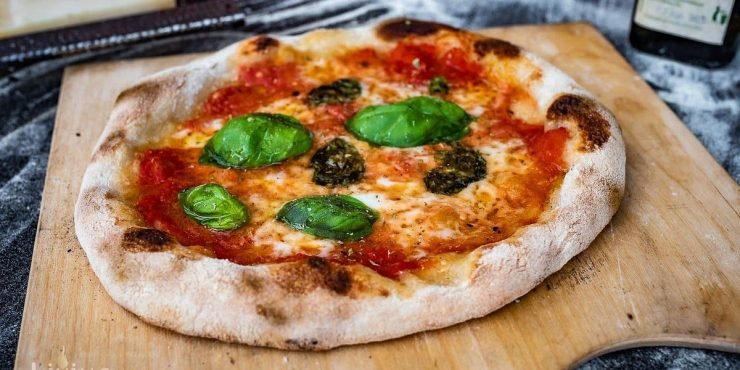
Making authentic Neapolitan pizza at home is one of the most rewarding experiences for any Italian food lover. The recipe is simple in its ingredient list but requires a bit of patience, technique, and respect for tradition. I’ve discovered that once you make this pizza in your own kitchen, you’ll never look at takeout pizza the same way again. The combination of chewy yet airy dough, a lightly charred crust, fresh tomatoes, mozzarella, and a drizzle of olive oil makes it truly unforgettable. In this article, I’ll guide you step by step through everything you need to know, from dough preparation to baking, so that even a beginner can pull off a perfect Neapolitan pie.
What Makes Neapolitan Pizza Unique
Neapolitan pizza is rooted in Naples, Italy, and is recognized by UNESCO as part of the world’s intangible cultural heritage. Unlike many pizzas that are heavy on toppings and cheese, Neapolitan pizza highlights balance and simplicity. The dough is made from just four ingredients: flour, water, salt, and yeast. The toppings are minimal, often just fresh San Marzano tomatoes, mozzarella di bufala or fior di latte, basil, and olive oil. The cooking process is also crucial because Neapolitan pizza is traditionally baked in a wood-fired oven at very high heat, creating a crust that is both crisp and chewy with characteristic leopard-like char marks.
The Importance of High-Quality Ingredients
The heart of an authentic Neapolitan pizza lies in its ingredients. Flour should be finely milled, typically type 00 flour, which produces the soft, elastic dough essential for the signature crust. Water needs to be clean and unchlorinated, salt should be fine sea salt, and the yeast should be fresh or active dry. Tomatoes should ideally be San Marzano, grown in volcanic soil near Mount Vesuvius, offering a natural sweetness and low acidity. Fresh mozzarella brings creaminess and a mild tang, while fresh basil adds an herbal fragrance. Extra virgin olive oil completes the flavor profile with its rich and slightly peppery notes. When each ingredient is carefully chosen, the final product reflects authenticity and tradition.
Preparing the Dough
The dough is the backbone of Neapolitan pizza. It requires slow fermentation to develop its signature flavor and texture. To start, combine 500 grams of type 00 flour with 325 milliliters of water in a large mixing bowl. Add 2 teaspoons of salt and a pinch of fresh yeast. Mix until the ingredients come together, then knead on a clean surface for about 10 minutes until the dough becomes smooth and elastic. This kneading step is crucial because it develops gluten, which gives the dough its structure.
Once the dough is ready, place it in a lightly oiled bowl, cover it with a damp cloth, and let it rest at room temperature for two hours. After that, divide the dough into portions, typically around 250 grams each, and shape them into smooth balls. Place these in a covered container and refrigerate for at least 12 to 24 hours. The slow fermentation process allows the dough to develop complexity and makes it easier to digest.
Stretching the Dough
When the dough has rested, it’s time to shape it into a pizza base. Instead of using a rolling pin, use your hands to stretch the dough gently. Place a dough ball on a lightly floured surface and press from the center outward, leaving the edges slightly thicker to form the crust. Rotate the dough as you press, and use the back of your hands to stretch it without tearing. A proper Neapolitan pizza base is thin in the middle, about 3 millimeters, with a raised edge known as the cornicione. This edge will puff beautifully in the oven.
Preparing the Sauce
The sauce should remain simple and fresh. Take a can of San Marzano tomatoes, crush them by hand or with a blender, and season with a pinch of salt. Avoid cooking the sauce before spreading it on the dough. This preserves the natural sweetness and bright acidity of the tomatoes, which balances the richness of the cheese. The sauce should be applied sparingly, just enough to cover the base without drowning the dough.
Adding the Cheese and Toppings
Fresh mozzarella should be drained and torn into small pieces rather than sliced. This prevents excess moisture from making the pizza soggy. Scatter the mozzarella evenly over the sauce, then add a few fresh basil leaves. Drizzle a thin stream of extra virgin olive oil on top. If you want to experiment, you can add thinly sliced mushrooms, anchovies, or olives, but remember that Neapolitan pizza emphasizes minimalism. Too many toppings weigh down the dough and prevent it from baking evenly.
The Baking Process
Traditionally, Neapolitan pizza is baked in a wood-fired oven at temperatures between 430°C and 480°C (800°F to 900°F). At this heat, the pizza cooks in 60 to 90 seconds, creating a lightly charred crust while keeping the interior soft and chewy. Most home ovens can’t reach that level of heat, but you can still achieve excellent results with a pizza stone or steel. Preheat your oven to its maximum setting, ideally around 260°C (500°F), for at least 45 minutes with the stone inside. Transfer the stretched and topped pizza onto the stone using a peel, and bake for 6 to 8 minutes until the crust has puffed and the cheese has melted.
Serving and Enjoying
Once the pizza is baked, remove it from the oven and let it rest for a minute before slicing. This allows the cheese to set slightly, making it easier to handle. Neapolitan pizza is best enjoyed fresh, hot, and whole rather than pre-sliced. In Naples, pizzas are often served unsliced so that diners can cut them into wedges themselves. Pair it with a simple salad, a glass of Italian wine, or sparkling water, and you’ll have a complete meal that brings a taste of Naples into your home.
Common Mistakes to Avoid
Beginners often encounter challenges when making Neapolitan pizza, but most mistakes are easy to fix with practice. One common error is using too much yeast, which causes the dough to rise too quickly and results in a bland flavor. Another mistake is overloading the pizza with sauce and cheese, which leads to a soggy base. Some people also roll the dough with a pin, which presses out the air bubbles that create the signature airy crust. Baking at too low a temperature is another issue, as it prevents the crust from developing the right texture and color. By being mindful of these points, you can avoid frustration and achieve better results.
Why Patience Pays Off
Neapolitan pizza teaches the value of patience. The long fermentation process might seem unnecessary to beginners, but it’s what gives the dough its depth of flavor and digestibility. Rushing through the steps leads to a mediocre pizza, while allowing the dough time to rest rewards you with a result that rivals any pizzeria in Naples. The beauty of making this pizza at home is that the process becomes a ritual. Each step, from kneading the dough to watching it bubble in the oven, builds anticipation for that first bite.
Experimenting with Variations
Once you’ve mastered the basic Margherita, you can explore other traditional styles. The Marinara uses only tomatoes, garlic, oregano, and olive oil, perfect for those who prefer a cheeseless option. You can also try the classic Pizza Bianca, which skips the tomato sauce entirely in favor of olive oil, garlic, and rosemary. These variations allow you to practice different techniques while still honoring Neapolitan tradition. Over time, you may find yourself adapting the recipe slightly to suit your own taste while keeping the spirit of authenticity intact.
The Joy of Sharing
One of the most rewarding parts of making Neapolitan pizza is sharing it with family and friends. The process itself becomes an event, especially when you let others stretch the dough or choose their toppings. It’s a hands-on experience that brings people together and sparks conversation. When everyone gathers around the table to enjoy a pizza that’s been crafted with care, it creates memories that last far beyond the meal. For me, this communal aspect is just as important as the pizza itself.
Building Confidence as a Beginner
At first, the process of making Neapolitan pizza might feel intimidating. The dough might not stretch perfectly, or the crust may not char as much as you’d like. But every attempt builds confidence. Over time, your hands will learn how the dough should feel, your eyes will recognize when it’s properly proofed, and your timing in the oven will improve. The best part is that even the less-than-perfect pizzas are still delicious. With each try, you’ll get closer to achieving the authentic Neapolitan experience.
Conclusion
Making authentic Neapolitan pizza at home may sound like a challenge, but it’s absolutely achievable for beginners with the right guidance and patience. The key lies in respecting the simplicity of the recipe, sourcing high-quality ingredients, and practicing the techniques that give this pizza its world-renowned texture and flavor. Every step, from preparing the dough to pulling a bubbling pizza from the oven, brings you closer to the heart of Naples. Once you taste the result of your effort, you’ll understand why this recipe has been cherished for generations. And the more you practice, the more confident you’ll become, until making Neapolitan pizza feels as natural as cooking pasta.


Add comment