 Abraham
Cannoli are one of the most iconic desserts of Sicily, instantly recognizable for their crisp pastry shells filled with a sweet, creamy ricotta filling. Every bite delivers a perfect balance of crunchy, creamy, and lightly sweetened flavors, often enhanced with chocolate, candied fruit, or nuts. Making authentic cannoli at home might seem intimidating at first, but with the right ingredients, techniques, and patience, anyone can recreate this Sicilian classic in their kitchen.
I have always been fascinated by cannoli because they showcase the beauty of Italian pastry traditions. They are not overly sweet, rely on simple ingredients, and yet their flavor and texture are unmatched when done properly. In this guide, I will walk you through the history, ingredients, preparation, assembly, and tips for making cannoli at home, step by step.
The History of Cannoli
Cannoli originated in Sicily during the Arab rule of the island, with influences from Middle Eastern pastries that used fried dough and sweet fillings. Traditionally, cannoli were associated with Carnevale, the pre-Lenten festival, but over time, they became a year-round treat.
Originally, the pastry shells were prepared to last for days, and the ricotta filling was added just before serving to maintain the contrast between crisp shell and creamy interior. Cannoli represent the ingenuity of Sicilian cuisine, blending simple ingredients with elaborate technique to create a dessert that is celebrated worldwide.
Essential Ingredients
Cannoli rely on a few high-quality ingredients, which is why sourcing them properly is important:
- Ricotta Cheese: The star of the filling. Use fresh, whole-milk ricotta for the best texture and flavor. Drain thoroughly to avoid a watery filling.
- Sugar: Fine sugar sweetens the ricotta filling without overpowering it.
- Vanilla and Cinnamon: Add aroma and warmth to the filling.
- Candied Fruit: Small pieces of orange or citron add traditional Sicilian flair.
- Chocolate Chips: Mini chips add texture and richness.
- All-Purpose Flour: Forms the base of the pastry shell.
- Butter or Shortening: Adds flakiness and richness to the dough.
- Marsala Wine or White Wine: Adds flavor and helps the dough achieve a crisp texture.
- Oil for Frying: Neutral oil such as vegetable or canola works best.
Using fresh, high-quality ingredients ensures that your cannoli taste authentic and satisfyingly rich.
Making the Cannoli Shells
The shells are what give cannoli their signature crunch. Proper dough preparation and frying technique are essential:
- Prepare the Dough: Combine flour, sugar, butter, and a pinch of salt. Gradually add wine until a smooth, firm dough forms. Knead until elastic.
- Rest the Dough: Cover and let it rest for at least 30 minutes. Resting relaxes the gluten and makes rolling easier.
- Roll and Cut: Roll the dough thinly on a floured surface and cut into circles or ovals. The thinner the dough, the crispier the shell.
- Shape Around Forms: Wrap each circle around a metal cannoli tube, sealing the edges with a bit of water or egg white.
- Heat Oil: Heat oil to about 350°F (175°C). Fry the shells until golden brown, about 2–3 minutes per side.
- Cool on Paper Towels: Remove carefully from oil and let them cool on paper towels. Gently slide shells off the tubes once cooled.
Perfectly fried shells are golden, crisp, and hold their shape without being greasy.
Preparing the Ricotta Filling
The filling is what defines cannoli. It should be creamy, sweet, and balanced:
- Drain Ricotta: Place ricotta in a fine-mesh strainer or cheesecloth to remove excess liquid.
- Mix Ingredients: Combine drained ricotta with sugar, vanilla, and cinnamon. Mix until smooth.
- Add Mix-Ins: Fold in mini chocolate chips and candied fruit. Ensure even distribution without overmixing.
- Chill: Refrigerate the filling for at least 30 minutes to firm up slightly before filling the shells.
A smooth, well-flavored filling contrasts beautifully with the crisp pastry, creating the perfect bite.
Assembling Cannoli
Assembling cannoli requires care to preserve the crispiness of the shells:
- Use a Pastry Bag: Fill a pastry bag with the chilled ricotta mixture. This allows controlled filling and avoids cracking the shells.
- Fill from Both Ends: Pipe filling into each shell from both ends to ensure the center is also filled.
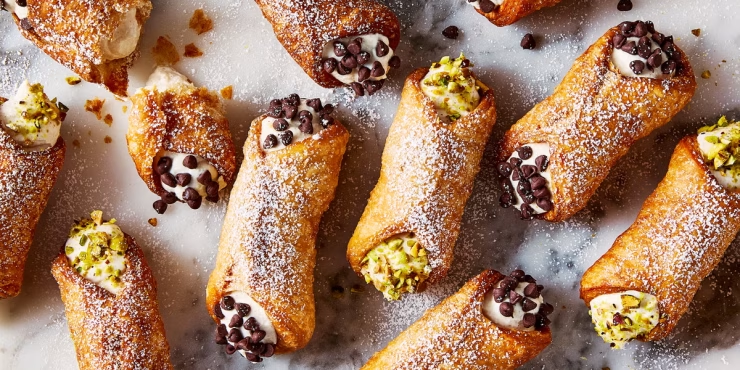
- Add Toppings: Dip the ends in additional chocolate chips, crushed pistachios, or candied fruit for visual appeal and texture.
- Serve Immediately: Cannoli are best enjoyed the same day to prevent the shells from becoming soggy.
Proper assembly ensures every bite has the ideal balance of creamy filling and crisp shell.
Flavor Variations
Once comfortable with the classic recipe, there are many ways to get creative:
- Chocolate-Dipped Shells: Dip the ends or entire shell in melted chocolate for a decadent twist.
- Citrus-Infused Filling: Add orange or lemon zest to enhance the flavor of the ricotta.
- Nutty Cannoli: Fold finely chopped pistachios, almonds, or hazelnuts into the filling.
- Coffee or Liqueur Flavors: Incorporate espresso, Marsala wine, or Amaretto for an adult-friendly variation.
- Seasonal Berries: Mix in finely chopped fresh berries for a fruity, colorful option.
Experimenting with flavors keeps the dessert fresh and allows you to tailor cannoli to your taste preferences.
Serving Ideas
Presentation elevates cannoli, making them suitable for dinner parties or festive occasions:
- On a Decorative Platter: Arrange in a circle or row for a visually appealing display.
- Garnish with Powdered Sugar: Lightly dusting the tops adds elegance.
- Serve with Fresh Fruit: Complement the rich ricotta with berries or sliced citrus.
- Pair with Coffee or Dessert Wine: Cannoli pair beautifully with espresso, sweet Marsala, or Vin Santo.
A thoughtful presentation enhances the appeal and makes your homemade cannoli feel special.
Tips for Success
- Drain Ricotta Well: Prevents watery filling and soggy shells.
- Roll Dough Thinly: Thin dough ensures crisp, delicate shells.
- Maintain Oil Temperature: Frying at the right temperature prevents greasy or undercooked shells.
- Fill Just Before Serving: Preserves the crunch of the shells.
- Store Properly: Keep shells and filling separate if not serving immediately.
Following these tips guarantees authentic cannoli with a balance of crisp and creamy textures.
Common Mistakes to Avoid
- Overmixing Filling: Can make ricotta watery or grainy.
- Frying at Low Temperature: Shells absorb excess oil and become greasy.
- Underdraining Ricotta: Leads to soggy shells and diluted flavor.
- Overfilling Shells: May cause shells to crack or crumble.
- Assembling Too Early: Shells lose crispness if filled too far in advance.
Avoiding these mistakes ensures your cannoli are authentic and delicious every time.
Bringing Sicily to Your Kitchen
Making cannoli at home is a labor of love that captures the essence of Sicilian cuisine. From preparing crisp pastry shells to crafting a silky, flavorful ricotta filling, every step reflects attention to detail and respect for tradition. Homemade cannoli allow you to experience the flavors of Sicily without leaving your kitchen.
The process can be therapeutic, creative, and rewarding. Whether you serve cannoli for a special occasion or a casual dessert, they provide a sweet taste of Italian culture that is both impressive and comforting.
Conclusion
Cannoli from Sicily are a timeless dessert that combines crunchy pastry with creamy, sweet ricotta filling. By using high-quality ingredients, following proper techniques, and paying attention to assembly and presentation, you can create cannoli that rival those from Italian pastry shops.
From the history of this iconic dessert to the step-by-step guide for making shells and filling, this recipe empowers home cooks to recreate a true Sicilian classic. Flavor variations, thoughtful presentation, and attention to detail elevate homemade cannoli, making them suitable for any occasion.
Mastering cannoli allows you to celebrate the richness of Italian desserts, delight your family and guests, and enjoy the satisfaction of creating a dessert that is both visually stunning and delicious.
Cannoli are more than just a dessert; they are a symbol of Sicilian culture, craftsmanship, and the joy of sharing sweet moments with others. Making them at home is a journey into Italian culinary tradition that brings the flavors and textures of Sicily straight to your table.


Add comment