
 Abraham
Caprese salad is one of the most iconic dishes in Italian cuisine, celebrated for its simplicity, freshness, and the perfect harmony of flavors. Originating from the island of Capri, this salad is a true testament to the Italian culinary philosophy of letting high-quality ingredients shine without unnecessary embellishments. A Caprese salad with fresh mozzarella and ripe tomatoes not only looks beautiful on the plate but also delivers a burst of summer flavor in every bite.
I have always found Caprese salad to be a perfect starter, especially when entertaining. Its vibrant colors evoke the Italian flag, red, white, and green, making it a visually stunning dish that pairs effortlessly with wine and other antipasti. Beyond its aesthetic appeal, it is a celebration of freshness, relying on the quality of ingredients to create a dish that is as simple as it is delicious.
In this guide, I’ll take you through the history of Caprese salad, tips for selecting ingredients, a step-by-step recipe, variations, and serving suggestions that make it ideal for any gathering or meal.
The Origins of Caprese Salad
Caprese salad, or Insalata Caprese, was developed on the island of Capri in the mid-20th century. It is said to have been inspired by the Italian flag, showcasing the country’s national colors. Its origin is rooted in the abundance of local ingredients: creamy mozzarella di bufala, sun-ripened tomatoes, and fragrant basil. Over time, it has become a beloved dish throughout Italy and the world, celebrated for its simplicity and elegance.
Unlike many other Italian dishes that evolved over centuries, Caprese salad has a relatively recent history. Its enduring popularity lies in its perfect balance: the creamy mozzarella contrasts with the acidity of tomatoes, while basil provides a fresh, aromatic note. Drizzled with extra virgin olive oil, it is a dish that embodies summer, freshness, and the Italian way of life.
Selecting the Best Ingredients
Since Caprese salad relies on just a few ingredients, choosing the best quality is crucial. Each element must be fresh and flavorful.
Fresh Mozzarella
The cheese is the heart of Caprese salad. Traditional mozzarella di bufala from Campania is preferred for its creamy texture and delicate, slightly tangy flavor. If buffalo mozzarella is unavailable, fresh cow’s milk mozzarella works well. Look for mozzarella that is soft, moist, and has a subtle milky aroma. Slice it just before serving to maintain its freshness.
Ripe Tomatoes
Tomatoes should be fully ripe, juicy, and flavorful. Heirloom tomatoes are particularly good for their sweetness and variety of colors, which adds visual appeal. Cherry tomatoes can also be used for individual bites or a more colorful presentation. Avoid overripe or mealy tomatoes, as they can make the salad watery.
Fresh Basil
Basil is essential for its aromatic, slightly sweet, and peppery notes. Only fresh basil should be used; dried basil cannot replicate the vibrant flavor. Tear or slice the leaves just before serving to maintain their freshness.
Olive Oil
Extra virgin olive oil enhances every ingredient, adding fruitiness and richness. Choose a high-quality, cold-pressed olive oil for the best results. Drizzle lightly over the salad just before serving.
Salt and Pepper
A pinch of sea salt and freshly ground black pepper is all that is needed to season the salad. Salt enhances the flavors of the tomatoes and mozzarella, while pepper adds a gentle warmth.
Step-by-Step Recipe
Preparing Caprese salad is straightforward, but attention to detail ensures the best results.
- Slice the Tomatoes and Mozzarella: Cut tomatoes and mozzarella into uniform slices, about ½ inch thick. This ensures balance in every bite.
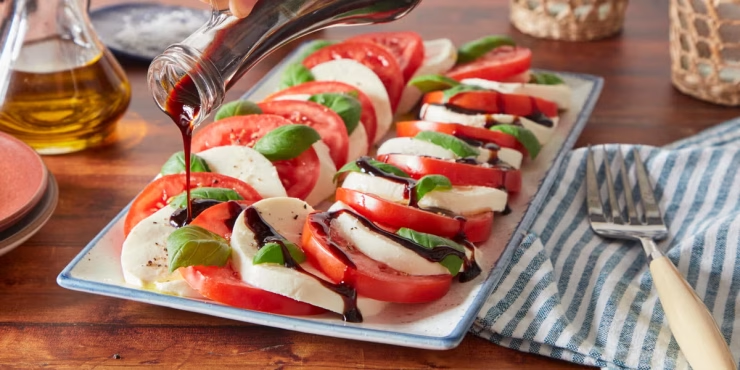
- Layer the Ingredients: Arrange tomato and mozzarella slices alternately on a serving platter. Place a fresh basil leaf between each layer or scatter whole leaves on top.
- Season and Dress: Drizzle extra virgin olive oil generously over the layers. Sprinkle with sea salt and freshly ground black pepper to taste. Some variations include a splash of balsamic vinegar or a drizzle of balsamic reduction for added sweetness and depth.
- Serve Immediately: Caprese salad is best served fresh, as the flavors and textures are most pronounced right after preparation.
Variations on Classic Caprese Salad
While the traditional combination of tomato, mozzarella, and basil is timeless, there are variations that enhance or complement the flavors:
- Balsamic Glaze: Add a drizzle of balsamic reduction for a sweet and tangy contrast.
- Avocado: Sliced avocado adds creaminess and richness to the salad.
- Grilled Vegetables: Roasted red peppers or zucchini provide additional texture and flavor.
- Seasonal Fruits: Strawberries, peaches, or figs can add a surprising sweetness that pairs beautifully with mozzarella.
- Herbs and Spices: Fresh oregano, thyme, or a sprinkle of red pepper flakes can add complexity.
Presentation Tips
Caprese salad is as much about visual appeal as flavor. To elevate presentation:
- Alternate Colors: Use red, yellow, and orange tomatoes for a colorful display.
- Serve on a Flat Platter: This allows guests to see all layers and choose individual portions.
- Garnish with Whole Basil Leaves: Adds height and aroma.
- Drizzle Artfully: Pour olive oil or balsamic glaze in thin lines for elegance.
Pairing Caprese Salad with Italian Wines
Caprese salad pairs beautifully with light, crisp Italian wines. A Pinot Grigio or Vermentino complements the freshness of the tomatoes and basil. Light reds like Chianti or Barbera can work if the salad is served as part of a larger meal with antipasti. Sparkling wines, such as Prosecco, add a celebratory touch and cleanse the palate between bites.
Caprese Salad for Entertaining
Caprese salad is perfect for entertaining because it is easy to prepare and visually impressive. It can be made on individual plates for a formal setting or on a large platter for a casual gathering. For buffet-style service, assemble slices in overlapping rows, adding basil leaves and a final drizzle of olive oil before serving.
Its simplicity allows guests to appreciate each ingredient’s flavor, and it pairs well with other Italian appetizers, antipasti platters, or light pasta dishes. It is a dish that encourages conversation and sharing, embodying the Italian spirit of communal dining.
Nutritional Benefits
Caprese salad is not only delicious but also nutritious. Tomatoes provide vitamins A and C, potassium, and antioxidants like lycopene. Fresh mozzarella offers protein and calcium, while basil contributes vitamins K and A and beneficial plant compounds. Olive oil adds healthy monounsaturated fats, making this salad both heart-healthy and satisfying.
Regional Influences
Caprese salad is traditionally associated with southern Italy, particularly Campania and the island of Capri. Its simplicity reflects the region’s emphasis on high-quality, local ingredients. In northern Italy, similar salads may include additional greens or different cheese varieties, while Sicily sometimes incorporates citrus or local nuts. Exploring regional variations allows you to experience the diversity of Italian culinary traditions through this simple dish.
Serving Suggestions
Caprese salad works as a starter, a light lunch, or part of a larger Italian meal. Serve it with crusty bread to soak up juices, alongside antipasto platters, or as a topping for grilled chicken or fish. Its versatility makes it suitable for casual meals, elegant dinners, or festive occasions.
For outdoor gatherings, assemble the salad just before serving to maintain freshness. For indoor entertaining, it can be prepared in advance by slicing tomatoes and mozzarella separately, then layering them just before guests arrive.
Tips for Perfect Caprese Salad
- Use the Best Ingredients: The success of this dish depends on quality. Avoid canned or underripe tomatoes.
- Balance Flavors: Taste and adjust salt, pepper, and olive oil.
- Keep Basil Fresh: Tear leaves gently to avoid bruising.
- Serve Immediately: Bread and cheese textures are optimal right after preparation.
- Experiment with Presentation: Layering, colors, and garnishes enhance visual appeal.
Conclusion
Caprese salad with fresh mozzarella and tomatoes is a timeless Italian classic that celebrates simplicity, freshness, and high-quality ingredients. Its vibrant colors, aromatic basil, and rich yet light flavors make it perfect for any occasion, from casual lunches to elegant dinners.
Preparing Caprese salad is straightforward, but the key lies in selecting the best ingredients and assembling them with care. Whether served on a platter for entertaining, plated individually for a formal meal, or enjoyed as a simple family dinner, this dish embodies the essence of Italian cuisine: freshness, balance, and flavor.
With each bite of Caprese salad, you experience the harmony of creamy mozzarella, juicy tomatoes, fragrant basil, and luscious olive oil. It is more than a starter; it is a celebration of Italy, a connection to its culinary traditions, and a dish that brings beauty, flavor, and freshness to any table.


Add comment