 Abraham
Lasagna Bolognese is one of the most iconic dishes in Italian cuisine, loved for its comforting layers of rich meat sauce, creamy béchamel, and silky pasta sheets. Originating from Emilia-Romagna, this recipe has stood the test of time as a family favorite. While many variations of lasagna exist around the world, the traditional version with Bolognese ragù and béchamel captures the heart of Italian home cooking. Making it from scratch may seem like a project, but with patience and the right techniques, you can create a dish worthy of any Italian table.
The History of Lasagna Bolognese
Lasagna has roots that go back to the Middle Ages, but the Bolognese version we know today began in Emilia-Romagna. The people of Bologna perfected the ragù, a slow-cooked meat sauce, and paired it with delicate sheets of pasta and béchamel. While Americans often think of lasagna with ricotta and mozzarella, the Italian tradition emphasizes ragù and béchamel as the central components. This version is less about excess cheese and more about the harmony of flavors that develop from long, slow cooking.
Key Ingredients for Authentic Lasagna Bolognese
Authenticity begins with choosing the right ingredients. The ragù is the star of the dish, and for that you’ll need a mix of meats, usually pork and beef, sautéed with soffritto (onion, carrot, celery). Tomato paste and wine deepen the flavor, while milk softens the acidity of the tomatoes. Béchamel sauce, made from butter, flour, and milk, adds creaminess that balances the richness of the ragù. Fresh egg pasta sheets are traditional, though high-quality dry pasta can work if fresh is not available. Finally, Parmigiano-Reggiano is used to finish the layers with nutty sharpness.
Step-by-Step: Making the Ragù Bolognese
To make the ragù, begin by sautéing finely chopped onion, carrot, and celery in olive oil until soft and golden. Add ground pork and beef, cooking until browned and fragrant. Stir in tomato paste, then deglaze with red or white wine, allowing the alcohol to cook off. Slowly add crushed tomatoes or passata, a little broth, and let the sauce simmer gently for at least two hours. A splash of milk towards the end rounds out the acidity and creates a more balanced flavor. The slow simmer is essential for developing the depth that makes this ragù so memorable.
Crafting the Béchamel Sauce
Béchamel is a simple white sauce that forms a luxurious layer between the pasta and the ragù. Start with a roux: melt butter in a pan, add flour, and whisk until it forms a smooth paste. Slowly pour in warm milk, whisking constantly to avoid lumps. Cook until thickened to a velvety texture, then season with salt, pepper, and a touch of nutmeg. The béchamel shouldn’t be overly thick; it needs to spread easily across the pasta layers while blending seamlessly with the ragù.
Preparing the Pasta Sheets
Fresh egg pasta is the traditional choice for Lasagna Bolognese. In Emilia-Romagna, it’s made from flour and eggs, rolled thin and cut into sheets. If making your own, roll the dough to a thin but sturdy texture, then blanch the sheets briefly in salted water before layering. Store-bought fresh pasta or high-quality dry lasagna sheets can also be used. Just check if the dry pasta needs pre-cooking; some brands can be layered directly, while others require softening in boiling water first.
Assembling the Lasagna
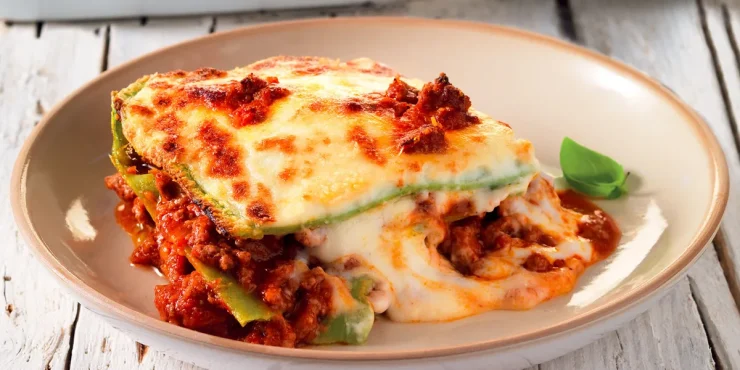
The assembly is where all the preparation comes together. Begin with a thin layer of ragù spread across the bottom of a baking dish to prevent sticking. Add a layer of pasta sheets, followed by more ragù, a thin coating of béchamel, and a sprinkle of Parmigiano-Reggiano. Repeat these layers until the dish is nearly full, usually four to five layers high. Finish with pasta, a generous spread of béchamel, a final spoonful of ragù, and a thick dusting of Parmigiano. The layering creates a beautiful cross-section of flavor and texture once baked.
Baking to Perfection
Cover the lasagna with foil and bake at 375°F (190°C) for about 30 minutes. Remove the foil and bake for another 15–20 minutes until the top is bubbling and golden brown. Let the lasagna rest for at least 20 minutes before slicing. This resting period is crucial; it allows the layers to set and ensures clean slices. If cut too early, the lasagna may collapse into a messy pile, losing its structure.
Serving and Pairing
Lasagna Bolognese is hearty enough to be the star of any meal. Serve it with a simple green salad dressed in olive oil and lemon to balance the richness. A loaf of crusty Italian bread is perfect for scooping up leftover sauce. For wine, a Sangiovese or Barbera complements the earthy flavors of the ragù. A lighter Pinot Grigio can also work if you prefer white wine. Because the dish is so filling, dessert can be something light, such as fresh fruit or a scoop of gelato.
Variations and Tips
While authenticity is prized, there’s room for small variations to suit personal taste. Some cooks like to add a touch of pancetta to the ragù for smokiness. Others enrich the béchamel with a handful of Parmigiano for added flavor. If you prefer a cheesier dish, you can include mozzarella between the layers, though this is not part of the classic Italian recipe. For a vegetarian version, replace the meat ragù with a mushroom and vegetable ragù while keeping the béchamel layers. The key is maintaining balance so no single element overwhelms the others.
Why This Lasagna Stands Out
What makes this lasagna special is the balance of textures and flavors. The pasta is tender yet structured, the ragù is rich but not heavy, and the béchamel ties everything together with its creamy lightness. It’s a dish that speaks to the Italian philosophy of cooking: simple ingredients, treated with care, brought together to create something greater than the sum of its parts. Making it at home is not just about food, but about tradition, patience, and sharing a meal that brings people together.
Conclusion
Classic Lasagna Bolognese with béchamel is a masterpiece of Italian cuisine. It requires time and care, but the reward is a dish that captures the essence of Emilia-Romagna on a plate. Whether for a Sunday family dinner, a holiday celebration, or simply to treat yourself, this lasagna is worth every step. Once you master the process, it will become a signature dish in your kitchen, one that friends and family request again and again. Each layer tells a story of tradition and craftsmanship, reminding us why Italian cooking holds such a special place in the world of food.


Add comment