 Abraham
When it comes to Italian comfort food, few dishes rival the rich, layered flavors of eggplant parmigiana. In Sicily, this dish isn’t just a recipe; it’s a cherished tradition passed down through generations. Known locally as “Parmigiana di Melanzane,” this iconic meal brings together the best of southern Italian cooking, fresh vegetables, ripe tomatoes, and creamy cheeses baked into a golden masterpiece. Let’s dive deep into the Sicilian way of preparing eggplant parmigiana, from its cultural roots to step-by-step instructions that will help you master it at home.
A Sicilian Icon
Eggplant parmigiana holds a special place in Sicilian cuisine. Unlike other regions of Italy where meat often dominates the table, Sicily celebrates vegetables with remarkable creativity. Eggplants, or “melanzane,” thrive in the island’s warm climate, making them the star of countless dishes. Parmigiana is the most famous, with each layer of eggplant carrying the flavors of the Mediterranean sun.
This dish also highlights the Sicilian philosophy of cucina povera, or “poor man’s cooking,” where humble ingredients are transformed into something deeply satisfying. Although eggplant parmigiana has humble roots, it is a dish of pride, often prepared for family gatherings, Sunday meals, and celebrations.
Choosing the Right Eggplants
The success of a parmigiana begins with the eggplants. In Sicily, small to medium-sized varieties are favored because they tend to be less bitter and have fewer seeds. When selecting eggplants, look for ones that are firm to the touch with shiny, deep-purple skin.
Some cooks insist on salting the slices to draw out any bitterness. This step also helps reduce excess moisture, which keeps the layers from becoming soggy during baking. After salting, the eggplants are rinsed and patted dry before being lightly fried.
Preparing the Tomato Sauce
No parmigiana is complete without a flavorful tomato sauce. Sicilian recipes often emphasize simplicity, using fresh tomatoes when in season or high-quality canned ones during the cooler months. Olive oil, garlic, and basil form the foundation, while some cooks add a pinch of sugar to balance acidity.
The sauce should simmer gently until it thickens, concentrating the flavors without overpowering the eggplant. The goal is to complement, not overshadow, the star ingredient.
The Role of Cheese
In Sicily, parmigiana is typically made with a mix of cheeses. Fresh mozzarella brings a creamy, stretchy texture, while grated Parmigiano-Reggiano or Pecorino Romano adds sharpness and depth. Some families use caciocavallo, a traditional southern Italian cheese, for an even more authentic flavor.
The combination of cheeses gives each bite its balance of richness, tang, and melt-in-the-mouth satisfaction.
Frying vs. Baking the Eggplant
Traditional Sicilian parmigiana calls for frying the eggplant slices in olive oil until golden. This step intensifies their flavor and creates a sturdier base for layering. However, some modern cooks opt for grilling or baking the slices to reduce the oil content.
While lighter methods have their merits, many Sicilians argue that frying is essential for achieving the true depth of flavor that defines this dish.
Layering the Parmigiana
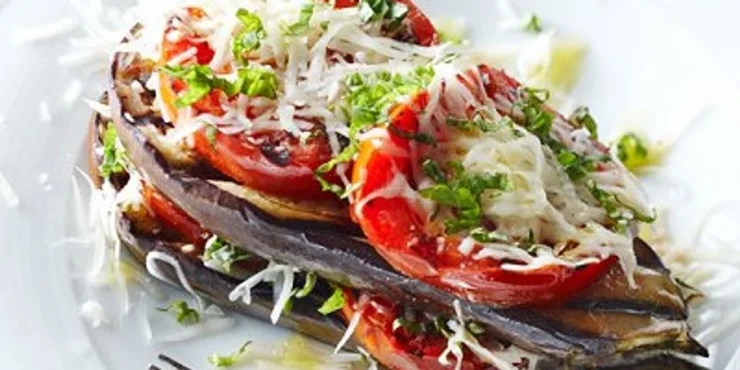
The layering process is both art and science. A thin coating of sauce goes into the baking dish first to prevent sticking. Then comes a layer of fried eggplant slices, followed by more sauce, cheeses, and sometimes a sprinkling of fresh basil. The process repeats until all ingredients are used, finishing with sauce and a generous topping of cheese.
Each layer should be balanced, enough sauce to keep it moist but not so much that it turns watery. The result should be structured yet tender, with each slice holding together on the plate.
Baking to Perfection
The assembled dish is baked until the cheese bubbles and develops a golden crust. This step melds the flavors and allows the eggplant to soften further while absorbing the sauce. Many Sicilian cooks recommend letting the parmigiana rest for at least 15 minutes before serving, as this makes it easier to slice and enhances the overall flavor.
Serving Suggestions
Eggplant parmigiana is versatile and can be enjoyed in different ways. As a main course, it pairs beautifully with a simple green salad and crusty bread. In Sicily, it is sometimes served as a side dish to meat or fish during festive meals. Leftovers, if there are any, taste even better the next day as the flavors deepen.
A Dish Rooted in Tradition
While variations of parmigiana exist across Italy, the Sicilian version remains unique. It reflects the island’s abundance of vegetables, reliance on olive oil, and love of bold yet balanced flavors. Each family adds its own touch, some incorporating hard-boiled eggs, others adding prosciutto, but the essence of the dish remains the same.
To cook eggplant parmigiana the Sicilian way is to embrace tradition while celebrating the ingredients of the Mediterranean. It’s a dish that requires patience, care, and respect for its heritage, but the reward is a meal that brings warmth and joy to the table.
Conclusion
Eggplant parmigiana the Sicilian way is more than just food, it is a story of culture, family, and the enduring beauty of simple ingredients prepared with love. From the careful selection of eggplants to the layering of sauce and cheese, every step reflects centuries of tradition. Whether you prepare it for a weeknight dinner or a special occasion, this dish will always deliver a taste of Sicily’s heart and soul.


Add comment