 Abraham
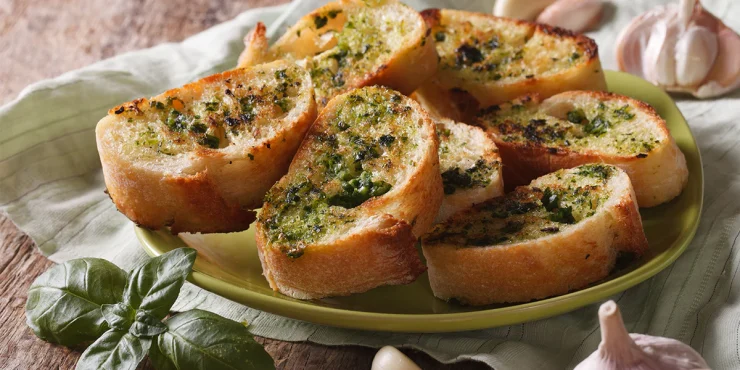
Garlic bread has long been a favorite side dish across the world, often seen accompanying pasta dinners, soups, and hearty Italian-inspired meals. But while many people picture it as a simple loaf of bread sliced in half, spread with garlic butter, and baked until golden, the Italian twist elevates it into something far more flavorful and authentic. Italian cuisine is rooted in tradition, simplicity, and the use of fresh ingredients, and bringing these principles to garlic bread transforms a casual dish into a masterpiece worth savoring.
The Origins of Garlic Bread
Garlic bread, in its most recognizable form, is actually not a deeply traditional Italian invention. The idea of rubbing bread with garlic and drizzling it with olive oil, however, can be traced back to Italy’s rustic cuisine. Italians have long used bruschetta, a toasted slice of bread topped with garlic, olive oil, and sometimes tomatoes, herbs, or cheese. Over time, this simple preparation inspired variations around the globe, especially in America, where garlic bread became a restaurant staple.
The Italian twist, however, goes back to basics. It focuses less on heavy amounts of butter and cheese, and more on balance, using high-quality olive oil, fresh garlic, herbs like oregano or basil, and the right kind of bread to create an unforgettable flavor.
Bread as the Foundation
Every great garlic bread starts with the bread itself. In Italy, it isn’t just about grabbing any loaf and smearing it with garlic. Choosing the right bread sets the tone for the entire dish. Ciabatta, with its airy crumb and crispy crust, is a perfect choice. Rustic sourdough can also be used, as its tangy flavor pairs well with garlic and olive oil. For those who want a lighter option, a baguette-style loaf works beautifully when sliced and toasted.
Unlike the overly soft sandwich breads often used outside of Italy, the authentic approach values texture. A slightly chewy interior and a crust that crisps up when baked give garlic bread its irresistible bite. This base also ensures that the flavors soak in without making the bread soggy.
The Role of Olive Oil
One of the biggest differences between traditional garlic bread and the Italian-inspired version is the use of olive oil instead of butter. High-quality extra virgin olive oil brings richness without overwhelming the palate. Its fruity, peppery notes enhance the garlic rather than cover it. Italians often drizzle oil generously over the bread before baking, which helps create a golden, crispy texture while keeping the inside soft and aromatic.
Some cooks like to blend garlic directly into the olive oil, either by gently sautéing sliced cloves or infusing the oil beforehand. This allows the flavors to meld beautifully, ensuring every bite has a balance of richness and depth.
Garlic: The Star Ingredient
Garlic is, of course, the defining feature of this dish. In Italy, fresh garlic is prized over pre-minced or powdered versions. The way it’s prepared makes all the difference. For a stronger flavor, raw garlic can be rubbed directly onto the toasted bread, a method often used in bruschetta. For a milder and sweeter taste, garlic cloves can be roasted beforehand until soft and caramelized, then spread onto the bread like butter.
Crushed garlic sautéed briefly in olive oil is another method, giving a warm, savory aroma without bitterness. The trick is not to burn the garlic, as that creates an unpleasant sharpness. Balanced preparation brings out garlic’s natural sweetness, enhancing its appeal.
Adding Herbs for Freshness
What sets Italian garlic bread apart is the subtle use of herbs. Fresh parsley, oregano, and basil are common additions, each offering a burst of color and aroma. Parsley provides brightness, oregano delivers earthiness, and basil adds a sweet, slightly peppery note. Instead of overpowering the garlic, these herbs act as complements, enhancing complexity and freshness.
Many Italians sprinkle finely chopped herbs directly onto the bread after it’s brushed with olive oil and garlic. Others prefer to mix the herbs into the oil itself, allowing their flavors to infuse as the bread bakes. Either way, herbs play a key role in bringing balance and authenticity.
Cheese as a Complement, Not the Star
In many places outside of Italy, garlic bread is smothered in heavy layers of cheese. While cheese can be a delicious addition, the Italian twist uses it more sparingly. Parmesan, Pecorino Romano, or even mozzarella may be sprinkled lightly on top, but the intention is to enhance rather than dominate the dish.
Grated Parmesan mixed with garlic and herbs before baking adds a nutty sharpness, while a light scattering of mozzarella offers a gooey texture without overshadowing the olive oil and garlic. The focus remains on harmony, where no single ingredient overwhelms the others.
Variations on Italian Garlic Bread
One of the joys of garlic bread with an Italian twist is its versatility. Depending on regional traditions and personal preferences, it can be adapted in countless ways:
- Bruschetta-style garlic bread: Toasted slices of rustic bread rubbed with garlic, drizzled with olive oil, and topped with fresh tomatoes and basil.
- Roasted garlic spread: Sweet, caramelized garlic cloves mashed into a paste and spread onto ciabatta.
- Herb-infused garlic bread: A mixture of parsley, oregano, and rosemary blended with olive oil and brushed generously on the bread.
- Cheese-topped variation: A light sprinkle of Pecorino Romano or Parmesan for added richness.
- Spicy garlic bread: A dash of chili flakes added to the garlic and olive oil mix for a touch of heat.
These variations keep the dish exciting while staying true to Italian principles of balance and simplicity.
Serving Garlic Bread the Italian Way
In Italy, garlic bread isn’t just a side dish for pasta, it can be served in many different contexts. It pairs beautifully with soups like minestrone, acts as a base for toppings such as cured meats or roasted vegetables, and even works as an appetizer alongside a glass of wine.
Some families enjoy garlic bread as part of antipasti, offering it alongside olives, cheeses, and cured meats. Others serve it with fresh salads to add texture and flavor. The beauty lies in its versatility; it can be light and simple or hearty and indulgent, depending on the occasion.
The Home-Baked Experience
Making garlic bread with an Italian twist at home is both rewarding and simple. The process is about embracing quality over quantity. Start with a fresh loaf of rustic bread, slice it carefully, and prepare a mixture of olive oil, garlic, and herbs. Brush the mixture generously onto the bread, making sure every slice is coated evenly.
Bake in a preheated oven until golden and crisp, keeping an eye to avoid over-browning. The smell alone as it bakes will fill the kitchen with warmth and anticipation. For a final touch, a drizzle of olive oil or a scattering of fresh herbs after baking elevates the dish even further.
Garlic Bread in Italian Culture
While garlic bread as commonly known may not be an ancient Italian tradition, the values behind it, simple ingredients, bold flavors, and communal sharing, are deeply Italian. In many households, bread is sacred, treated with care and respect. Transforming it with garlic and herbs is simply another way of honoring the staple.
The Italian twist reflects the philosophy of cucina povera, the humble cooking style that values simplicity and resourcefulness. With just a few ingredients, something extraordinary can be created, and garlic bread embodies that perfectly.
Why This Twist Matters
The Italian approach to garlic bread isn’t about reinventing the dish but refining it. It highlights what makes Italian cuisine so beloved: balance, tradition, and authenticity. By focusing on high-quality ingredients and restraint, garlic bread becomes more than just a side dish, it becomes a culinary experience.
Eating garlic bread with an Italian twist invites people to slow down and savor the layers of flavor, from the crunch of the bread to the richness of olive oil and the aromatic kick of garlic. It’s a reminder that even the simplest foods can be extraordinary when prepared with care.
Pairing Garlic Bread with Italian Dishes
Pairing is another important aspect of enjoying garlic bread the Italian way. It works beautifully alongside classics such as spaghetti aglio e olio, lasagna, or a hearty ragu. It also pairs well with lighter dishes, such as fresh salads or grilled vegetables. In fact, the balance of flavors in garlic bread makes it versatile enough to accompany almost any Italian dish without overwhelming it.
Wine pairings also elevate the experience. A crisp white wine such as Pinot Grigio balances the garlic’s intensity, while a medium-bodied red like Chianti complements the richness of olive oil and herbs.
Bringing It All Together
Garlic bread with an Italian twist is about taking a familiar dish and infusing it with authenticity. It’s about remembering that the best meals are not the most complicated, but the ones made with attention to quality and balance. From the selection of bread to the drizzle of olive oil, every element plays a role in creating harmony.
Making it at home allows creativity to flourish while staying true to Italian tradition. It can be rustic and simple or elevated with herbs and cheese, but the essence remains the same: a dish meant to be shared and enjoyed.
Conclusion
Garlic bread may be loved worldwide, but the Italian twist takes it to another level. By focusing on rustic bread, fresh garlic, aromatic herbs, and rich olive oil, this version captures the heart of Italian cooking, simple, authentic, and full of flavor. It transforms a common side dish into something memorable, something that brings people together around the table.
Every bite tells a story of tradition and care, and making it at home invites you into that story. Garlic bread with an Italian twist is not just food; it is a celebration of flavor, family, and the timeless beauty of Italian cuisine.


Add comment