 Abraham
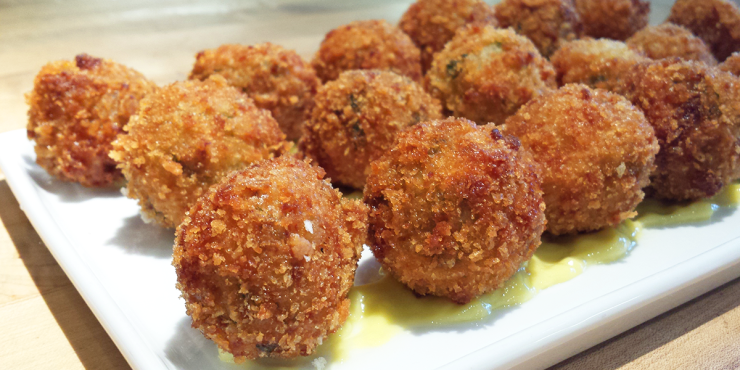
Arancini, the beloved Sicilian fried rice balls, are a true icon of Italian street food. Crispy on the outside and soft, savory, and cheesy on the inside, arancini are a treat that captures the heart of Italian comfort food. Making them at home allows you to enjoy their golden crunch and rich filling while experimenting with flavors and textures.
I have always been captivated by arancini. The idea that a humble leftover risotto could be transformed into something so delicious is quintessentially Italian. Arancini are versatile, they can be served as appetizers, snacks, or part of a main meal. With a little patience and the right technique, anyone can master this Sicilian classic in their own kitchen.
In this guide, I’ll walk you through the history of arancini, how to prepare the perfect risotto base, step-by-step instructions for shaping and frying, various filling ideas, and tips for serving these golden delights.
The History of Arancini
Arancini have a long and storied history in Sicily. The name “arancini” comes from the Italian word “arancia,” meaning orange, because their golden, round shape resembles the fruit. These fried rice balls date back centuries, originally created as a portable snack for travelers or as a way to use leftover risotto.
Regional variations developed over time. In eastern Sicily, especially around Catania, arancini are typically cone-shaped and often filled with meat sauce, peas, and cheese. In western Sicily, around Palermo, they tend to be round and filled with ingredients such as mozzarella, ham, or spinach. The fillings vary according to local tastes and seasonal ingredients, reflecting Sicily’s rich culinary diversity.
Arancini are not only a street food staple; they are also featured in festive meals, markets, and family gatherings. Making them at home allows you to explore the tradition and savor the comforting flavors of Sicily in your own kitchen.
Ingredients for Perfect Arancini
The key to successful arancini is quality ingredients and a properly prepared risotto base.
Rice
Short-grain rice, such as Arborio or Carnaroli, is essential because it becomes creamy and sticky when cooked, allowing the rice balls to hold their shape. Avoid long-grain rice, which is too dry and separate for forming arancini.
Risotto Base
While arancini are often made with leftover risotto, making fresh risotto specifically for arancini ensures optimal flavor. Key ingredients include onions, butter, olive oil, white wine, chicken or vegetable stock, and freshly grated Parmigiano-Reggiano cheese.
Fillings
Traditional arancini fillings are versatile:
- Meat Sauce: Ground beef, onions, tomato sauce, peas, and spices create a hearty filling.
- Cheese: Mozzarella or provolone adds a gooey, creamy texture.
- Vegetables: Spinach, mushrooms, or roasted peppers provide a vegetarian alternative.
- Seafood: For a coastal twist, shrimp or crab can be incorporated.
Coating
Arancini are coated with flour, beaten egg, and breadcrumbs to achieve a golden, crispy exterior. Using panko or fresh breadcrumbs results in an extra crunchy texture.
Oil for Frying
A neutral oil with a high smoke point, such as vegetable or sunflower oil, is ideal for deep-frying arancini. Proper oil temperature ensures even cooking and prevents greasy rice balls.
Preparing the Risotto
The foundation of great arancini is perfectly cooked risotto. Here’s a step-by-step approach:
- Sauté Aromatics: Heat olive oil and butter in a pan, then add finely chopped onions. Cook until soft and translucent.
- Toast the Rice: Add the Arborio rice and stir for a few minutes until it becomes lightly translucent.
- Deglaze: Pour in white wine and cook until absorbed.
- Add Stock Gradually: Add warm stock a ladle at a time, stirring constantly until absorbed before adding more. Continue until the rice is creamy but slightly firm in the center (al dente).
- Finish with Cheese and Butter: Stir in Parmigiano-Reggiano and a small knob of butter for richness. Let the risotto cool completely before forming arancini; this prevents them from falling apart during frying.
Shaping the Arancini
Once the risotto has cooled, it’s time to shape the arancini:
- Scoop Rice: Use a spoon or your hands to take a portion of risotto, roughly the size of a golf ball.
- Add Filling: Make a small indentation in the center and place a cube of mozzarella or a spoonful of meat sauce.
- Seal and Shape: Carefully fold the rice around the filling, rolling it between your palms to form a smooth, compact ball. Ensure there are no gaps.
- Coat for Frying: Roll each rice ball in flour, dip in beaten egg, and coat evenly with breadcrumbs. This triple-layered coating creates a crunchy, golden exterior.
Frying the Arancini
Frying is where the magic happens. Proper technique ensures a crispy shell and hot, melty center.
- Heat Oil: Fill a deep pot or fryer with oil, heating to 350°F (175°C). Use a thermometer to maintain consistent temperature.
- Fry in Batches: Fry arancini a few at a time to avoid overcrowding, which can lower the oil temperature.
- Cook Until Golden: Fry for 3–5 minutes or until golden brown, turning occasionally for even color.
- Drain Excess Oil: Remove with a slotted spoon and drain on paper towels.
Baking as an Alternative
For a lighter version, arancini can be baked:
- Preheat oven to 400°F (200°C).
- Place breaded rice balls on a parchment-lined baking sheet.
- Spray lightly with olive oil to encourage browning.
- Bake for 20–25 minutes, turning halfway through, until golden.
While baked arancini lack the deep-fried crunch, they are still flavorful and satisfyingly crispy.
Serving Arancini
Arancini are best served warm, allowing the filling to remain melty. They make a perfect appetizer, snack, or part of a main course. Pair them with marinara sauce for dipping or a simple salad to balance the richness.
For entertaining, arrange arancini on a platter, garnished with fresh herbs or a sprinkle of Parmigiano-Reggiano. Their golden color and inviting aroma make them a crowd-pleaser at parties and family gatherings.
Variations and Creative Fillings
Arancini are highly versatile:
- Vegetarian Arancini: Fill with mushrooms, roasted peppers, spinach, or peas for a meat-free option.
- Four-Cheese Arancini: Mix mozzarella, fontina, Parmigiano-Reggiano, and ricotta for extra cheesy indulgence.
- Seafood Arancini: Shrimp or crab with herbs and a hint of lemon zest create a sophisticated twist.
- Spicy Arancini: Add chili flakes or a touch of hot sauce to the filling for heat.
- Sweet Arancini: Dessert versions with chocolate, ricotta, or fruit preserves offer a fun variation.
Experimenting with fillings allows you to tailor arancini to your tastes or seasonal ingredients.
Tips for Success
- Cool Risotto Completely: Warm rice can fall apart during shaping and frying.
- Compact the Rice: Ensure each arancino is tightly packed around the filling.
- Maintain Oil Temperature: Too hot will burn the exterior; too cool will make arancini greasy.
- Use Fresh Mozzarella: Avoid pre-shredded cheese, which does not melt properly.
- Prepare in Advance: Risotto can be made a day ahead, making assembly and frying faster on the day of serving.
Pairing Arancini with Drinks
Arancini pair wonderfully with Italian wines. Light white wines such as Pinot Grigio or Vermentino complement vegetable or cheese fillings, while a Chianti or Nero d’Avola balances rich meat-filled arancini. For casual snacking, sparkling water or a light beer can also be a refreshing accompaniment.
Bringing Sicilian Tradition to Your Table
Making arancini at home allows you to experience the warmth and comfort of Sicilian cuisine. Each rice ball is a mini celebration, combining tradition, creativity, and culinary skill. They are perfect for family dinners, festive gatherings, or casual parties, offering a taste of Sicily with every bite.
Conclusion
Arancini are more than fried rice balls, they are a symbol of Sicilian ingenuity and Italian comfort food. Crispy, golden exteriors encase creamy, flavorful fillings that can be tailored to any taste. By mastering the risotto base, carefully shaping the rice balls, and frying or baking to perfection, you can bring this iconic street food into your own kitchen.
Serving arancini is an invitation to indulge in a dish that is both nostalgic and versatile. From traditional meat-filled balls to vegetarian or seafood variations, each arancino tells a story of Italian culinary heritage and the joy of sharing food with loved ones.
Whether you enjoy them as appetizers, snacks, or part of a main meal, arancini are a satisfying, flavorful, and memorable addition to your cooking repertoire. With attention to detail, patience, and high-quality ingredients, you can create arancini at home that rival those found on the streets of Sicily, bringing golden, cheesy, and delicious bites to your table.


Add comment