 Abraham
Fresh pasta has a way of transforming a meal into an experience. While dried pasta is convenient and delicious, there is nothing quite like rolling out a silky sheet of dough with your own hands, cutting it into ribbons, and savoring the texture and flavor that only homemade pasta can deliver. Tagliatelle, with its elegant, long ribbons, is one of the most rewarding types to make from scratch. It is a staple of Emilia-Romagna, a region in northern Italy known for rich sauces and hearty pasta dishes. Preparing it at home is both a ritual and an art, one that combines simple ingredients with patience and technique. I want to share my method, along with tips, insights, and the joy that comes from creating homemade tagliatelle from start to finish.
Essential Ingredients
The beauty of tagliatelle lies in its simplicity. You need only a few ingredients, but the quality of each makes all the difference. For traditional tagliatelle, I use Italian “00” flour because of its fine texture, which produces a smooth, pliable dough. Some recipes also mix in semolina flour to add a slightly firmer bite. Eggs are the second key ingredient, and in Italy, many cooks swear by rich, golden-yolked eggs to give the pasta its signature color and flavor. For one batch of tagliatelle that serves four people, I use about 400 grams of flour and four large eggs. If I want a slightly more elastic dough, I add a tablespoon of olive oil, although many purists skip it. Salt is often left out of the dough itself and added instead to the cooking water, but I sometimes add a pinch if I want just a touch of seasoning in the pasta itself.
Making the Dough
To start, I pour the flour onto a clean wooden surface, shaping it into a mound before hollowing out a well in the center. Into that well go the eggs, cracked and ready to be gently whisked with a fork. Slowly, I pull in the flour from the sides, mixing it with the eggs until a shaggy dough forms. At this stage, the dough can look messy and uneven, but persistence pays off. Kneading is the heart of pasta making, and I work the dough with the heels of my hands, pressing and folding until it begins to come together. After about ten minutes of steady kneading, the dough becomes smooth, elastic, and slightly tacky without sticking to my hands. If it feels too dry, I wet my fingers and keep kneading; if too wet, I dust a little more flour. Once satisfied with the texture, I wrap the dough in plastic wrap and let it rest at room temperature for at least thirty minutes. Resting relaxes the gluten, making the dough easier to roll out.
Rolling the Pasta Sheets
Rolling out pasta dough is where patience and practice make a difference. Traditionally, tagliatelle is rolled with a long wooden rolling pin until thin enough that you can see your hand through the sheet. This takes some arm strength, but it is deeply satisfying. I dust the surface lightly with flour, press the dough flat, and begin rolling from the center outward, rotating the dough as I go. Each pass of the rolling pin stretches the dough thinner and wider, and eventually it becomes a large, almost translucent sheet. For a more modern approach, I sometimes use a pasta machine, starting with the widest setting and gradually working down until the sheets are about one millimeter thick. Consistency is important here; uneven sheets lead to uneven cooking. I always take my time to ensure the dough is smooth and even before moving on to cutting.
Cutting Tagliatelle Ribbons
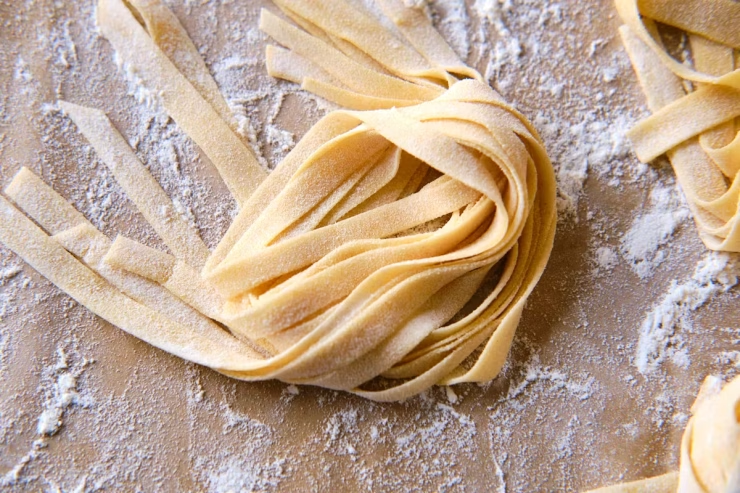
To cut the pasta, I dust the sheet with flour to prevent sticking, then loosely roll it into a log. Using a sharp knife, I slice the roll into ribbons about eight millimeters wide, which is the traditional width for tagliatelle. When unrolled, the ribbons fall gracefully into long strands that are both rustic and elegant. I spread them out on a floured surface or hang them over a pasta rack to dry slightly before cooking. This short drying period helps the pasta maintain its shape in the boiling water. I always feel a moment of pride at this stage, watching the ribbons of pasta take form, knowing they will soon become the foundation of a delicious meal.
Cooking Fresh Tagliatelle
Fresh pasta cooks much faster than dried, usually in just two to three minutes. I bring a large pot of salted water to a rolling boil, then drop in the tagliatelle, stirring gently to prevent sticking. The strands rise to the surface quickly, and I taste one to check for doneness. Fresh pasta should be tender with a slight bite, what Italians call al dente. Once ready, I lift it out with a slotted spoon or drain it carefully, reserving some of the cooking water to help blend the pasta with sauce. The entire process from pot to plate is quick, which makes timing important. I always make sure the sauce is ready before the pasta hits the water.
Pairing with Sauces
Tagliatelle is incredibly versatile, and its broad ribbons are ideal for rich, hearty sauces that cling to every strand. One of the most iconic pairings is ragù alla Bolognese, a slow-simmered meat sauce from Bologna that balances tomato, wine, and aromatic vegetables with ground meat. The thickness of tagliatelle perfectly supports the robust sauce. Another favorite of mine is tagliatelle with porcini mushrooms, where the earthy flavor of the mushrooms complements the delicate pasta. Creamy sauces, like a truffle cream or simple butter and sage, also work beautifully, highlighting the texture of the pasta itself rather than overwhelming it. For lighter meals, I enjoy tagliatelle tossed with fresh vegetables, olive oil, and herbs, which feels fresh and seasonal.
Regional Roots of Tagliatelle
Every pasta shape in Italy tells a story, and tagliatelle’s history is firmly tied to Emilia-Romagna. Legend has it that a Renaissance chef created tagliatelle inspired by the flowing blonde hair of Lucrezia Borgia, a noblewoman of the time. While the story may be romanticized, it highlights the cultural pride Italians take in their culinary traditions. In Bologna, the official width of tagliatelle is even regulated, with exact measurements preserved in the city’s Chamber of Commerce. This attention to detail demonstrates how pasta is more than food; it is heritage, identity, and artistry. Making tagliatelle at home allows me to feel connected to that tradition, even from miles away.
Tips for Success
Over the years, I have picked up several tips that make homemade pasta more enjoyable and successful. First, working on a wooden surface helps absorb excess moisture, preventing the dough from becoming sticky. Second, using room-temperature eggs ensures they incorporate more smoothly into the flour. Third, letting the dough rest is not optional; skipping this step makes rolling much more difficult. I also recommend cutting the pasta with a sharp knife or a pasta cutter to keep the edges clean. When storing tagliatelle for later use, I freeze the ribbons in small nests on a tray before transferring them to a container. This prevents clumping and keeps them fresh for weeks. Finally, I always cook pasta in a generous amount of salted water, which seasons it from within.
Variations and Creativity
While traditional tagliatelle is made with eggs and flour, I enjoy experimenting with variations. Adding spinach or beet purée to the dough creates beautiful colored pasta with subtle flavor differences. Infusing the dough with herbs or saffron can also add unique touches that pair wonderfully with specific sauces. For those avoiding gluten, there are flour blends available that mimic the elasticity of wheat, though the texture is slightly different. I’ve even tried making tagliatelle with chestnut flour, a rustic variation that works beautifully with game or mushroom sauces. These experiments remind me that while tradition provides a foundation, creativity allows pasta to evolve and adapt.
Why Homemade Pasta Matters
Making pasta from scratch is more than just cooking; it is an act of slowing down and appreciating food in its purest form. The tactile process of kneading dough, rolling sheets, and cutting ribbons connects me to generations of Italian cooks who relied on their hands and simple tools to feed their families. In a world where convenience often takes precedence, crafting homemade tagliatelle feels grounding and meaningful. It turns an ordinary meal into a memorable one, not just for the flavor but for the care invested in every step. Sharing a plate of homemade pasta with family or friends is always more rewarding than opening a box.
Conclusion
Homemade tagliatelle represents the essence of Italian cooking: simple ingredients elevated through technique, tradition, and love. From mixing flour and eggs to rolling delicate sheets and slicing them into ribbons, every stage of the process is part of a ritual that celebrates food as culture. Whether paired with a hearty ragù, delicate mushrooms, or a light butter sauce, tagliatelle carries sauces with elegance and depth. By making it at home, I not only enjoy fresh, flavorful pasta but also embrace a piece of Italian heritage that has endured for centuries. With a little patience and practice, anyone can bring this tradition into their kitchen and experience the joy of pasta made by hand.


Add comment