
 Abraham
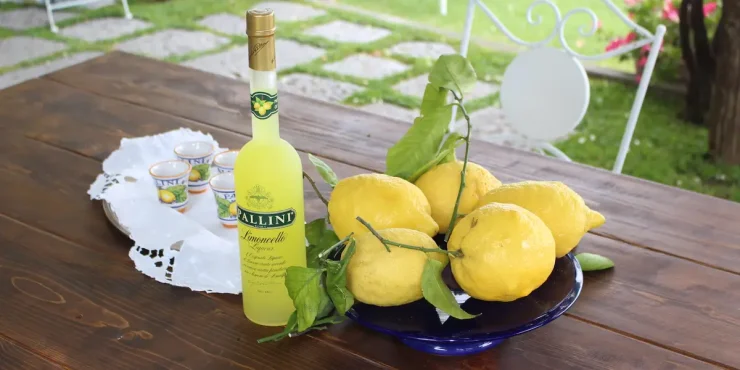
Limoncello is a bright, fragrant liqueur that instantly transports you to the sun-soaked Amalfi Coast of Italy. Its vibrant yellow color, sweet-tart flavor, and refreshing aroma make it a beloved Italian digestivo, traditionally served chilled after meals. While enjoying limoncello in Italy is a treat, making it at home is both simple and rewarding. Crafting your own limoncello allows you to control sweetness, intensity, and quality, resulting in a homemade version that rivals any you find commercially.
I have always enjoyed limoncello not just for its taste but for the ritual of making it. The process involves simple ingredients but requires patience, careful preparation, and attention to detail. In this guide, I will take you through the history of limoncello, selecting ingredients, step-by-step preparation, storage, serving suggestions, and tips to perfect your homemade batch.
The History of Limoncello
Limoncello has roots in southern Italy, particularly along the Amalfi Coast, Sorrento, and Capri. While the exact origins are debated, it is widely believed that the recipe was passed down through generations of Italian families. The liqueur traditionally served as a homegrown digestivo, providing a refreshing end to a meal and a way to enjoy the abundant local lemons.
The drink’s popularity expanded beyond southern Italy in the 20th century, and today it is a symbol of Italian culinary culture worldwide. Authentic limoncello relies on natural lemon zest, high-proof alcohol, and patience, reflecting the Italian philosophy of simple ingredients treated with care.
Essential Ingredients
Making authentic limoncello requires just a few high-quality ingredients:
- Lemons: Choose large, fragrant, organic lemons. The zest is the star of the recipe, providing oils that create the liqueur’s signature aroma and flavor.
- Alcohol: Use a neutral, high-proof alcohol such as grain alcohol or vodka. Traditional recipes often use 95% grain alcohol, diluted later.
- Sugar: Granulated sugar balances the tartness of the lemons and creates a smooth, sweet liqueur.
- Water: Used to make a simple syrup that blends with the infused alcohol.
Selecting the best ingredients ensures a limoncello that is vibrant, balanced, and full of authentic flavor.
Preparing the Lemons
The lemon zest is the key to limoncello, and careful preparation preserves its aromatic oils:
- Wash Thoroughly: Rinse lemons under warm water to remove any residues. Organic lemons are ideal to avoid pesticides in the zest.
- Peel Carefully: Use a vegetable peeler to remove the yellow zest, avoiding the white pith, which can add bitterness.
- Collect Zest: Place the zest in a clean jar or container for infusion.
Properly preparing the lemons ensures a clean, flavorful limoncello without unwanted bitterness.
Infusing the Alcohol
The infusion stage extracts essential oils and aromas from the lemon zest:
- Combine Zest and Alcohol: Place lemon zest in a large, airtight jar and pour alcohol over it until fully submerged.
- Seal and Store: Close the jar tightly and store in a cool, dark place.
- Infusion Time: Let the mixture sit for at least 10–14 days. Some recipes call for up to 30 days for more intense flavor. Shake the jar gently every few days to mix the oils.
Patience during this stage is crucial. The longer the infusion, the richer and more aromatic the limoncello will be.
Preparing the Simple Syrup
Simple syrup balances the intensity of the infused alcohol:
- Combine Sugar and Water: Use a ratio of one part sugar to one part water. Adjust sweetness to your preference.
- Heat Gently: Dissolve sugar in water over low heat, stirring continuously. Do not boil.
- Cool Completely: Let the syrup reach room temperature before mixing with the infused alcohol.
Properly cooled syrup ensures a smooth, harmonious blend without altering the flavor of the lemon oils.
Mixing and Bottling
After infusion and syrup preparation, it is time to combine and bottle your limoncello:
- Strain the Infused Alcohol: Remove the lemon zest using a fine-mesh strainer or cheesecloth.
- Add Simple Syrup: Slowly pour syrup into the infused alcohol, stirring gently to combine. Taste and adjust sweetness if desired.
- Bottle: Use clean, sterilized bottles with tight seals. Store in the refrigerator or freezer for best results.
Bottling properly preserves flavor, aroma, and clarity, allowing your limoncello to mature gracefully.
Serving Limoncello
Limoncello is traditionally served chilled in small glasses as a digestivo.
- Temperature: Keep limoncello in the freezer before serving to enhance smoothness and refreshment.
- Portion: Serve in small, chilled shot glasses to appreciate its aroma and intensity.
- Pairings: Limoncello complements desserts like tiramisu, panna cotta, biscotti, or fresh fruit. It also works as a palate cleanser between courses in multi-course meals.
The proper serving method elevates the limoncello experience and highlights its vibrant flavor.
Flavor Variations
While classic limoncello relies on lemon zest, there are ways to add subtle twists:
- Orange or Citrus Blend: Combine lemon with orange or bergamot for a nuanced flavor.
- Herbal Infusions: Add rosemary, basil, or mint during infusion for a fragrant variation.
- Spiced Limoncello: Incorporate cinnamon sticks or vanilla beans for depth.
- Cream Limoncello: Blend the finished liqueur with cream for a smooth, dessert-style variation.
These variations allow experimentation while maintaining the integrity of traditional limoncello.
Storage and Shelf Life
Proper storage ensures longevity and quality:
- Refrigeration: Keep limoncello in the fridge or freezer. It thickens slightly when chilled but remains pourable.
- Sealed Bottles: Airtight bottles prevent evaporation and flavor loss.
- Shelf Life: Homemade limoncello can last up to one year if stored properly. Flavor may continue to mature over time.
By storing limoncello carefully, you maintain its vibrant aroma and balanced sweetness.
Troubleshooting Common Issues
- Bitterness: Often caused by white pith in the zest. Use a sharp peeler and avoid pith.
- Cloudy Appearance: Can result from using water that is too cold when mixing syrup. Allow syrup to cool slowly.
- Overly Sweet: Reduce sugar in the simple syrup for a more balanced taste.
- Weak Flavor: Extend infusion time for a more intense lemon aroma.
Attention to detail at each stage ensures a limoncello that is bright, flavorful, and smooth.
Bringing Italy to Your Home
Making limoncello at home is a rewarding way to bring a piece of Italian tradition into your kitchen. From selecting lemons to infusing alcohol, the process reflects patience, care, and respect for ingredients. Serving your own limoncello allows you to share a taste of Italy with family and friends, creating a memorable culinary experience.
The process is meditative and satisfying. Watching the bright yellow liqueur develop over days or weeks is a reminder of the simple joys of crafting something with your own hands. Whether enjoyed as a post-dinner digestivo, a cocktail ingredient, or a thoughtful gift, homemade limoncello embodies Italian craftsmanship and love for fresh, natural flavors.
Conclusion
Limoncello is a quintessential Italian liqueur that celebrates the vibrant flavors of southern Italy. By following careful steps, selecting quality lemons, properly infusing alcohol, creating simple syrup, and blending with care, you can make limoncello at home that rivals any professional version.
This liqueur is versatile, refreshing, and perfect for sharing. Its bright citrus notes, balanced sweetness, and smooth texture make it ideal for sipping chilled, pairing with desserts, or gifting in decorative bottles.
Making limoncello at home is not just about producing a drink; it is about embracing Italian tradition, honoring the ingredients, and enjoying the process. Every batch carries the essence of Italy, from sun-drenched lemons to centuries-old culinary practices. Whether served after a family meal, at a gathering with friends, or as a personal treat, homemade limoncello is a celebration of flavor, culture, and the joy of creating something by hand.
With patience, care, and high-quality ingredients, anyone can make authentic limoncello at home, creating a delicious reminder of Italy’s rich culinary heritage.


Add comment