 Abraham
Entertaining in Italy has always been about connection, conversation, and, of course, food. Before the main course begins, the antipasto sets the tone for the meal. Antipasto, meaning “before the meal,” is not merely an appetizer, it is a carefully curated introduction to Italian cuisine, showcasing flavors, textures, and colors that awaken the palate.
For home entertainers, creating an Italian antipasto platter is both an art and a joy. It allows you to blend traditional ingredients with seasonal specialties, tailoring your selection to the tastes of your guests while keeping the presentation visually appealing. Over time, I’ve learned that a well-thought-out platter does more than feed, it sparks conversation, encourages sharing, and reflects a sense of Italian hospitality.
In this guide, I’ll take you through the essential components of a successful antipasto platter, regional inspirations, creative ideas for entertaining, and tips for assembly that ensure your platter is both beautiful and delicious.
The Role of Antipasto in Italian Dining
Antipasto is more than just food; it’s the opening chapter of the meal. In Italy, it serves several purposes. It whets the appetite, introduces flavors and textures that will follow in the main course, and allows for relaxed social interaction as guests mingle. Traditionally, antipasto is served with wine, often a crisp white or a light red, providing a gentle start to a meal.
Different regions emphasize different ingredients. In northern Italy, cured meats and cheeses are prevalent, while southern regions often incorporate marinated vegetables, olives, and seafood. By blending these traditions, your antipasto platter can reflect a diverse range of Italian flavors.
Core Components of an Italian Antipasto Platter
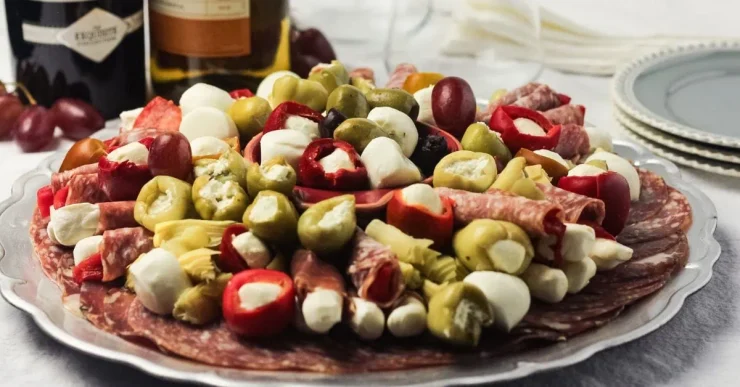
Creating a balanced platter requires understanding the essential elements that make antipasto both satisfying and visually appealing. A well-rounded platter typically includes cured meats, cheeses, vegetables, olives, breads or crackers, and occasionally seafood.
Cured Meats
Cured meats, or salumi, are the backbone of many Italian antipasto platters. Prosciutto, thinly sliced and delicately salty, pairs beautifully with sweet melon or figs. Salami, with its bold flavor and firmer texture, provides contrast. Coppa, bresaola, and soppressata offer regional variety, each bringing unique seasonings and textures to the platter.
When selecting meats, I recommend choosing a variety in terms of flavor intensity and texture. This ensures that every bite feels different and keeps guests interested. Rolling or folding slices not only looks elegant but also makes it easy for guests to pick them up.
Cheeses
Italian cheeses are a critical component, balancing the saltiness of cured meats with creamy, nutty, or tangy flavors. Fresh mozzarella, with its milky softness, is a classic choice. Parmigiano-Reggiano or Grana Padano offers a firm, nutty texture, perfect for nibbling or shaving over other elements. Semi-soft cheeses like taleggio or fontina bring richness, while pecorino romano adds a sharper, saltier note.
When arranging cheeses, I like to cut some into cubes, leave some in wedges, and crumble others. This variety in presentation makes the platter visually interesting and easy for guests to serve themselves.
Marinated and Grilled Vegetables
Marinated vegetables bring brightness, acidity, and color to the platter. Artichokes, roasted red peppers, olives, zucchini, and eggplant can be lightly grilled and tossed in olive oil, garlic, and fresh herbs. These vegetables provide contrast to richer cured meats and cheeses and introduce flavors that are unmistakably Italian.
Pickled vegetables, like giardiniera, add a tangy element that refreshes the palate and balances the richness of meats and cheeses.
Olives and Nuts
Olives are a staple of Italian antipasto. Black, green, or mixed varieties provide briny, earthy flavors that complement other components. For a modern twist, consider marinating olives in herbs, citrus, and chili flakes to add layers of complexity.
Nuts, such as toasted almonds or walnuts, can be sprinkled around the platter to add crunch and richness. They also provide a subtle, nutty backdrop that pairs well with cheeses and cured meats.
Bread, Crostini, and Crackers
Breads are essential for enjoying antipasto. Sliced baguettes, focaccia, or Italian breadsticks allow guests to scoop, spread, or layer ingredients. Crostini brushed with olive oil or rubbed with garlic provide a crunchy texture that contrasts beautifully with soft cheeses and meats. For gluten-free guests, crackers made from seeds or rice offer a crisp alternative.
Seafood and Seasonal Elements
In coastal regions, seafood often finds its way onto antipasto platters. Marinated anchovies, smoked salmon, or shrimp can elevate the selection. Seasonal elements, like figs, pears, or pomegranate seeds in winter, bring sweetness and visual appeal. These additions create layers of flavor, reflecting the Italian emphasis on fresh, seasonal ingredients.
Regional Inspirations
Italy’s regions each have their own approach to antipasto, offering inspiration for diverse platters.
Northern Italy
In regions like Lombardy and Veneto, antipasto emphasizes cured meats, cheeses, and mushrooms. Prosciutto di Parma, gorgonzola, and porcini mushrooms are classic elements. This region favors heartier flavors and denser cheeses.
Central Italy
Tuscany and Umbria often highlight olive oil, rustic bread, and beans alongside cured meats. Crostini topped with chicken liver pâté or vegetables reflect traditional Tuscan antipasto.
Southern Italy
Southern regions, including Campania and Sicily, favor marinated vegetables, caponata, and seafood. Olives, anchovies, and roasted peppers dominate the antipasto table, often accented with a touch of chili or citrus for brightness.
Tips for Assembling the Perfect Platter
Creating a beautiful and balanced antipasto platter requires attention to color, texture, and arrangement.
- Variety in Texture: Include soft, creamy cheeses, firm cured meats, crunchy bread, and crisp vegetables to create contrast in every bite.
- Color Matters: Aim for a mix of colors, red peppers, green olives, golden cheese, and bright tomatoes. A visually appealing platter is always more inviting.
- Balance Flavors: Include salty, sweet, tangy, and earthy elements. Each bite should feel harmonious.
- Portioning: Place small piles or rolled slices to make it easy for guests to serve themselves. Avoid overcrowding to maintain presentation.
- Fresh Herbs: Garnish with fresh basil, rosemary, or thyme to add aroma and a finishing touch of green.
Pairing Antipasto with Italian Wines
Wine is an integral part of the antipasto experience. Lighter white wines like Pinot Grigio or Vermentino pair well with vegetable-forward platters, while light reds like Chianti or Dolcetto complement cured meats and cheeses. Sparkling wines, such as Prosecco, can add a festive touch and cleanse the palate between bites.
Creative Platter Themes
Antipasto platters offer an opportunity for creativity. Consider themes that reflect regional cuisine, seasonality, or dietary preferences.
- Mediterranean Garden: Focus on marinated vegetables, olives, and fresh herbs.
- Tuscan Feast: Include rustic crostini, pecorino, prosciutto, and marinated beans.
- Coastal Italian: Add marinated seafood, lemon zest, and fresh herbs to evoke seaside flavors.
- Vegetarian-Friendly: Center on roasted and pickled vegetables, cheeses, nuts, and fruit.
Hosting Tips
When entertaining, an antipasto platter allows guests to nibble, mingle, and explore flavors at their own pace. I like to set the platter in the center of the table with small plates for each guest. Keeping additional bread and extra wine nearby ensures everyone feels welcome and free to indulge.
Antipasto platters are also perfect for holidays or casual gatherings. They can be prepared ahead of time, allowing you to focus on other dishes while guests enjoy sampling a variety of flavors.
Seasonal Ingredients for Winter Entertaining
In winter, consider incorporating seasonal ingredients like roasted squash, fennel, and citrus fruits. These add warmth and brightness to your platter, keeping it fresh and visually appealing even in the cold months. Root vegetables, such as carrots and beets, can be roasted and sliced for a hearty touch, while pomegranate seeds or candied nuts provide a festive sparkle.
Bringing Italian Hospitality to Your Table
Creating an antipasto platter is as much about presentation as it is about flavor. Italian hospitality revolves around generosity and care. Taking the time to assemble a thoughtful platter signals respect for your guests and invites them to share in a communal, enjoyable dining experience.
Whether you are hosting a casual gathering, a holiday celebration, or an intimate dinner, an Italian antipasto platter sets the tone for a memorable meal. The combination of colors, textures, and flavors mirrors the vibrancy of Italian cuisine and allows your guests to explore and savor each bite.
Conclusion
An Italian antipasto platter is more than a prelude to dinner; it’s a celebration of food, tradition, and social connection. By including a balance of cured meats, cheeses, marinated vegetables, olives, and seasonal touches, you create a platter that is both visually stunning and full of flavor. Regional variations, fresh herbs, and creative combinations allow you to make your platter unique while staying true to Italian culinary principles.
When you entertain with an Italian antipasto platter, you are offering more than food, you are offering warmth, hospitality, and a taste of Italy. Whether served during winter gatherings or summer parties, these platters bring people together, spark conversation, and create lasting memories.
With careful selection, thoughtful assembly, and an eye for color and balance, your antipasto platter can become the centerpiece of any gathering, embodying the very essence of Italian entertaining.


Add comment