 Abraham
Italy is celebrated for its pasta, pizzas, and gelato, but hidden in its culinary traditions is another treasure that often goes unnoticed: flatbreads. Each region of Italy has its own distinct way of making bread, and while some are world-famous like focaccia, many varieties remain undiscovered outside of the country. Italian flatbreads are more than just side dishes; they are culinary symbols of regional history, climate, and culture. From rustic peasant recipes born out of necessity to delicate specialties enjoyed during festivals, these breads tell a story in every bite.
If you think Italian bread begins and ends with ciabatta and focaccia, then it’s time to expand your horizons. Across the peninsula, bakers have been crafting unique flatbreads that vary in texture, thickness, and flavor. Some are soft and pillowy, others thin and crunchy, and many are made with just flour, water, salt, and olive oil. Yet each one manages to carry a character all its own, whether infused with local herbs, baked in wood-fired ovens, or cooked on stone slabs. Let’s take a journey into Italy’s lesser-known flatbreads and discover those you’ve probably never tried before.
Piadina Romagnola: The Everyday Classic
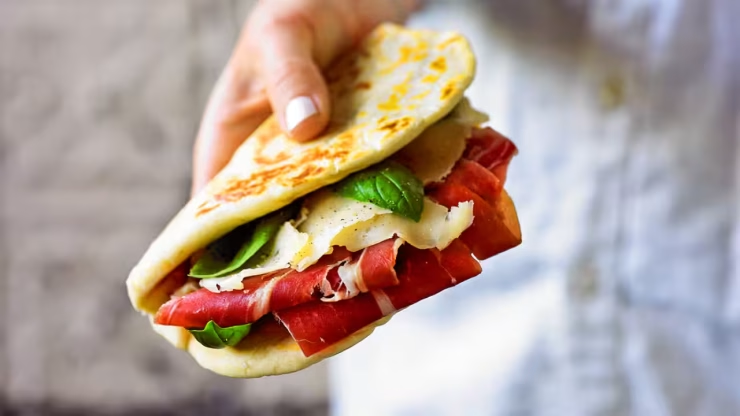
In the Emilia-Romagna region, piadina reigns supreme. This round, soft flatbread has been a staple of rural life for centuries, originally cooked on terracotta pans. Today, it’s commonly prepared on a flat griddle and often served folded and filled with cured meats, cheeses, or fresh vegetables. Unlike pizza dough, piadina is unleavened and quick to prepare, making it ideal for casual meals or street food.
The beauty of piadina is in its versatility. You might find it stuffed with prosciutto and squacquerone cheese, or paired with grilled vegetables for a lighter option. Some households even enjoy it sweet, spreading it with Nutella for an indulgent treat. While you may have heard of piadina in passing, many travelers overlook its importance as a true symbol of Romagnolo food culture.
Crescia di Urbino: A Richer Cousin
Move east into the Marche region, and you’ll find crescia di Urbino, a close cousin to piadina but richer in flavor. What makes crescia stand out is the use of eggs in the dough, along with olive oil, which gives it a golden hue and a slightly softer, richer bite. Traditionally, it’s rolled out thin, cooked until slightly charred, and served warm.
Crescia often acts as a carrier for robust flavors. Locals might pair it with pecorino cheese, sausages, or even wild herbs gathered from the hillsides. Compared to piadina, it feels more celebratory and indulgent, often enjoyed during festivals or special gatherings. For many Italians, crescia is nostalgia on a plate , the flavor of home and heritage wrapped into one simple flatbread.
Pane Carasau: The Sardinian Music Paper
Sardinia offers one of the most unique Italian flatbreads: pane carasau, often called “music paper bread” because of its thin, crisp texture that resembles parchment. It is baked twice to achieve that brittle crunch, and its origins go back to shepherds who needed long-lasting bread that could survive weeks in the countryside.
This bread is more than just a snack. It’s often layered with sauces, cheeses, or even broth to create dishes like pane frattau, where it’s softened in tomato sauce and topped with poached eggs. Pane carasau embodies Sardinian ingenuity, combining durability with surprising delicacy. Its crackle under the teeth makes it unlike any other flatbread in Italy.
Pane Guttiau: Carasau’s Seasoned Sibling
While pane carasau is crisp and plain, pane guttiau is its flavorful sibling. To make guttiau, the thin sheets are brushed with olive oil, sprinkled with salt, and warmed until fragrant. The result is an irresistible snack, almost like Italian chips, but with a rustic authenticity that modern snacks can’t match.
Pane guttiau is best enjoyed fresh from the oven, still warm and glistening with oil. It’s common to find locals pairing it with wine and cheese, making it an integral part of Sardinian aperitivo culture. If you’ve never tasted this variation, it offers a perfect entry into Sardinia’s bread-making traditions.
Schiacciata: Tuscany’s Hidden Gem
Tuscany is known for its saltless bread, but when it comes to flatbreads, schiacciata stands out. The word itself means “squashed” or “flattened,” and this bread resembles a thinner, crispier version of focaccia. Baked with olive oil and sometimes topped with rosemary or olives, schiacciata is a favorite at bakeries across Tuscany.
There are sweet versions too, especially during the grape harvest, when schiacciata all’uva is prepared. This dessert-like bread is filled with fresh grapes, sugar, and sometimes a hint of anise seeds. The combination of sweet fruit and chewy bread creates a seasonal delicacy that locals eagerly anticipate each year. Schiacciata showcases how one flatbread can adapt to both savory and sweet traditions, reflecting Tuscany’s agricultural richness.
Torta al Testo: Umbria’s Rustic Pride
In the green heart of Italy, Umbria, torta al testo is the flatbread of choice. The name comes from the “testo,” a stone or cast-iron plate traditionally used to cook the bread over an open fire. This method gives it a slightly smoky, earthy flavor that pairs beautifully with hearty Umbrian foods.
Torta al testo is typically sliced and stuffed with everything from cured meats to sautéed greens. Its rustic preparation makes it a perfect companion for Umbrian specialties like porchetta or truffle spreads. If you’re seeking a bread that feels rooted in tradition, torta al testo is one you need to experience.
Farinata: A Chickpea Delight
Liguria brings us farinata, a flatbread made not from wheat but from chickpea flour. This golden, pancake-like dish is baked in wide pans with olive oil until crispy at the edges and soft inside. Its nutty flavor makes it incredibly satisfying, and it’s often eaten as street food in Ligurian towns.
Although it’s not bread in the strict sense, farinata belongs in the flatbread family thanks to its preparation and presentation. The simplicity of its ingredients belies its rich taste, proving that some of the best Italian foods are born from humble beginnings. Variations exist across the country, with some adding rosemary or onions for extra flavor.
Crescentina: Bologna’s Crispy Treasure
In Bologna, crescentina is the flatbread that delights locals. Sometimes referred to as “tigelle,” these small, round breads are traditionally cooked between clay disks, giving them their characteristic name. Light and crisp, crescentine are typically split open and filled with cured meats, cheeses, or spreads.
One classic pairing is with lardo, a cured pork fat spread seasoned with herbs and garlic. The warmth of the bread melts the lardo into a silky layer of flavor, creating a rich and indulgent bite. Crescentina embodies the food culture of Emilia: simple, hearty, and designed to bring people together at the table.
The Role of Flatbreads in Italian Culture
What unites all these Italian flatbreads is their deep connection to place. Each one reflects the landscape, resources, and traditions of the region it comes from. Sardinia’s pane carasau speaks of shepherd life, while Tuscany’s schiacciata celebrates the olive groves and vineyards of the region. Piadina and crescia represent the hearty simplicity of Emilia-Romagna and Marche, while farinata highlights Liguria’s creative use of humble ingredients.
Flatbreads are often communal foods, designed to be shared. Whether used as vessels for local cheeses, carriers for cured meats, or simply enjoyed on their own, they embody the Italian philosophy of food as a social experience. These breads may not be as famous as pizza or pasta, but they remain essential to Italy’s culinary landscape.
Bringing Italian Flatbreads to Your Kitchen
The beauty of Italian flatbreads is that many are simple enough to try at home. With basic pantry staples like flour, water, olive oil, and salt, you can recreate regional flavors in your own kitchen. While some require specific equipment, like the testo stone for torta al testo or wide pans for farinata, creative substitutions make these recipes accessible anywhere.
Start with piadina or schiacciata if you’re new to Italian bread-making, as both are straightforward and versatile. Once you’re comfortable, challenge yourself with pane carasau or crescia to appreciate the diversity of techniques. Experimenting with these recipes offers not only delicious bread but also a deeper connection to Italian tradition.
Conclusion
Italian flatbreads may not enjoy the international fame of pizza or pasta, but they are just as deserving of recognition. From the crisp crackle of pane carasau to the pillowy softness of piadina, each flatbread tells a story of its region and the people who made it. They remind us that bread is never just bread in Italy, it’s a reflection of culture, history, and identity.
Exploring these flatbreads opens up a new dimension of Italian cuisine, one where simplicity meets creativity. If you’ve never tried them before, now is the time to seek them out, whether by traveling through Italy or experimenting in your own kitchen. After all, the heart of Italian food is not only about what you eat but how it connects you to a place and its people.


Add comment