 Abraham
Calzones have always fascinated me because they represent the comforting heart of Southern Italian cuisine. In the streets of Naples and other towns in Campania, you can spot locals carrying warm, folded pockets of dough filled with melted cheese, cured meats, and fresh vegetables. Unlike the open-faced pizza, calzones are sealed treasures, keeping their flavors and aromas tucked away until you take that first satisfying bite. Making them at home allows me to connect with the traditions of Southern Italy, where food is as much about heritage as it is about flavor.
The Origins of Calzones in Southern Italy
Calzones originated in Naples during the 18th century, when the city was already celebrated for its pizza. Street vendors needed a way to sell portable meals to workers, and folding the pizza over itself created a handheld dish that could be eaten without utensils. The word “calzone” means “pant leg” in Italian, hinting at how it was designed to be carried easily.
While pizza was often enjoyed sitting down at taverns or homes, calzones became a street-food version of pizza, filled with similar toppings but neatly tucked inside a half-moon of dough. Over time, calzones developed their own identity. Today, they are just as iconic as pizza in many regions of Southern Italy, with each town giving them its own twist.
What Makes a Calzone Different from Pizza
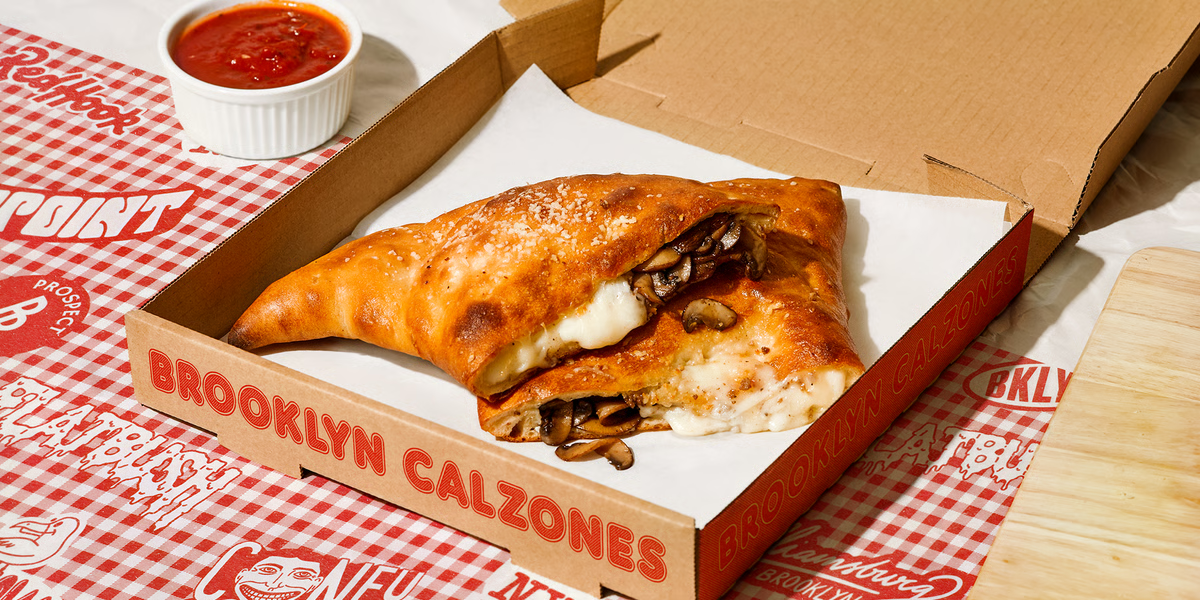
Both pizza and calzones start with a similar dough made from flour, water, yeast, and olive oil. The difference lies in how they are prepared and enjoyed. Pizza is open, baked flat, and often shared, while calzones are folded and sealed, creating a pocket of flavor that steams as it cooks. This method traps the moisture of the fillings, making the inside soft and gooey while the outside crust becomes golden and slightly crispy.
Another key difference is the experience of eating. A pizza showcases its toppings on display, but a calzone hides them, leaving a surprise inside. In Southern Italy, this element of surprise is part of the joy, as you never quite know what combination of fillings awaits until you cut it open.
Essential Dough for Authentic Calzones
The base of any calzone is its dough. To make it like a Southern Italian local, I begin with a high-protein flour, usually type “00” flour, which gives a soft but elastic texture. The dough is mixed with water, a small amount of yeast, salt, and a drizzle of olive oil.
After mixing, the dough must rise slowly to develop flavor. A traditional method is to let it rest overnight in the refrigerator. This cold fermentation not only improves taste but also creates a dough that is easier to stretch and fold without tearing. When ready, the dough should be airy, pliable, and slightly sticky, just like what you’d find in Neapolitan kitchens.
Traditional Fillings of Southern Italy
One of the most enjoyable parts of making calzones is deciding what goes inside. In Southern Italy, fillings often depend on what is available locally and seasonally. Some of the most traditional combinations include:
- Ricotta, mozzarella, and salami – A creamy and savory filling that balances freshness with richness.
- Spinach and ricotta – A vegetarian favorite that feels light but satisfying.
- Mozzarella and anchovies – A salty and bold option typical of coastal towns.
- Prosciutto and provolone – A pairing that highlights Southern Italy’s cured meats and aged cheeses.
The key to fillings is moderation. Overstuffing a calzone may cause it to burst during baking, so locals keep the portions balanced to ensure even cooking and a neat finish.
The Importance of Tomato Sauce
Many Southern Italian calzones are filled without tomato sauce inside, leaving the sauce on the side for dipping. This prevents the dough from becoming soggy during baking. However, some variations, especially in Naples, tuck a spoonful of sauce inside alongside the cheese and meats.
When I make calzones, I prepare a simple tomato sauce using San Marzano tomatoes, olive oil, garlic, and basil. The freshness of the sauce complements the richness of the fillings, offering a perfect balance once the calzone is baked and ready to serve.
Techniques for Folding and Sealing
Folding the calzone is one of the most important steps. After rolling out the dough into a circle, I place the filling on one half, leaving a border around the edges. The other half is folded over, forming a half-moon shape. To seal it, the edges are pressed firmly with fingers or crimped by folding them slightly inward.
Some locals brush the edges with a little water or egg wash to make sure they don’t open during baking. A few small slits may be cut on top to release steam, preventing the calzone from puffing too much. These small details are what separate a rustic calzone from one that looks professionally made.
Baking Like a Southern Italian Local
In Southern Italy, calzones are traditionally baked in wood-fired ovens at very high heat, around 450–500°C. This intense heat cooks the dough quickly, creating a crispy outer crust while the inside remains moist and flavorful. At home, I replicate this by preheating my oven to its highest setting and using a pizza stone or steel.
The calzone should bake until golden brown, usually between 10 to 15 minutes. During this time, the dough crisps, the cheese melts, and the fillings release their aroma. When I take it out of the oven, I let it rest for a couple of minutes before cutting, so the steam settles and the fillings don’t spill out immediately.
Variations Across Southern Italy
While Naples is the birthplace of the calzone, other Southern regions have their own versions. In Puglia, for example, smaller calzones called “panzerotti” are often fried instead of baked. These are popular street foods, enjoyed especially during festivals. In Calabria, calzones might include spicy local sausages, reflecting the region’s love for bold flavors.
Sicilian calzones, sometimes called “sfinciuni calzoni,” often feature sweet onions, tomatoes, and caciocavallo cheese. Each variation tells the story of local ingredients and traditions, making calzones a symbol of regional diversity within Southern Italy.
Pairing Calzones with Italian Drinks
No calzone meal feels complete without the right drink. In Naples, locals often enjoy calzones with a cold Peroni beer, which cuts through the richness of the cheese. In other areas, a light red wine such as Aglianico or Nero d’Avola pairs perfectly. For a non-alcoholic option, sparkling water with lemon adds a refreshing touch.
Making Calzones a Family Tradition
One of the most rewarding aspects of making calzones at home is turning it into a shared experience. In Southern Italy, families often gather to prepare dough, chop ingredients, and fill calzones together. Each person might choose different fillings, making it a personalized meal. When I make calzones with family or friends, I notice how it turns the kitchen into a lively, social space where everyone contributes to the final result.
Bringing Southern Italy Into Your Kitchen
Making calzones like a Southern Italian local is not just about following a recipe. It’s about embracing the spirit of Southern Italy, where meals are meant to be shared, ingredients are fresh and seasonal, and food is tied to cultural identity. By preparing authentic dough, using traditional fillings, and baking with care, I can recreate the flavors of Naples and beyond in my own kitchen.
Every time I bite into a homemade calzone, I feel connected to the generations of Italians who perfected this dish. It’s more than just food; it’s a piece of history folded into golden dough.


Add comment