
 Abraham
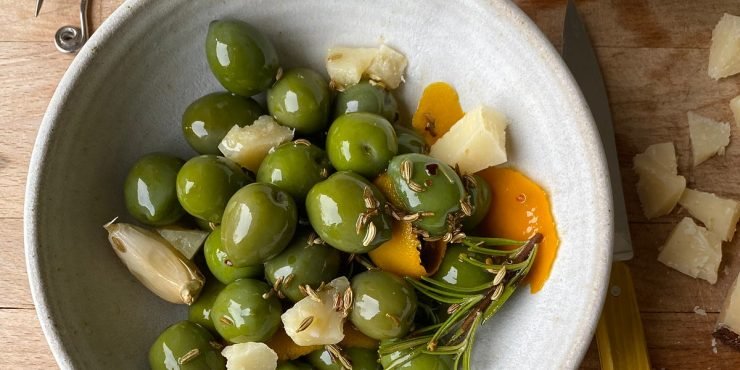
Marinated olives are a staple of Italian cuisine, offering vibrant flavors that enhance any antipasto platter, cocktail hour, or casual meal. These small, flavorful bites are simple to prepare at home yet deliver a taste that evokes the warmth of the Italian countryside. Learning to marinate olives the Italian way allows you to explore regional flavors, experiment with herbs and spices, and enjoy a healthy, delicious snack anytime.
I have always been fascinated by marinated olives. In Italy, they are more than just an appetizer, they are part of the ritual of dining, enjoyed slowly with friends or family, paired with wine, cheese, or crusty bread. Each olive tells a story, reflecting the care taken to select, cure, and flavor them. Preparing marinated olives at home is rewarding because it brings those authentic flavors directly into your kitchen.
In this guide, I’ll cover the history of olives in Italy, how to select the best olives for marinating, step-by-step instructions for making Italian-style marinades, tips for storage, and creative variations to suit your taste.
The History of Olives in Italy
Olives have been cultivated in Italy for thousands of years, with evidence of olive trees dating back to ancient Roman times. They have played an integral role in Italian culture, cuisine, and economy, particularly in regions such as Liguria, Tuscany, Puglia, and Sicily.
Marinated olives evolved as a way to preserve the fruit and enhance its flavor. Simple preservation methods, such as brining and oil curing, allowed olives to be stored for months. Over time, Italians began adding herbs, citrus, garlic, and spices to create distinctive, flavorful marinades that reflected regional tastes. Today, marinated olives are enjoyed throughout Italy and internationally, appreciated for their depth of flavor and versatility.
Choosing the Right Olives
Selecting high-quality olives is essential for a successful marinated olive dish. Different varieties offer distinct flavors and textures:
- Castelvetrano: Sweet, buttery, and mild green olives from Sicily, ideal for marinating.
- Gaeta: Small, dark, wrinkled olives from Lazio with a slightly tangy flavor.
- Taggiasca: From Liguria, these small, rich olives have a delicate, fruity taste.
- Nocellara del Belice: Large, green olives from Sicily with a firm texture and bright flavor.
Avoid supermarket olives packed in heavy brine with added preservatives. Look for olives sold in jars or vacuum packs with minimal additives, or purchase them from specialty stores or Italian markets for the most authentic flavor.
Preparing Olives for Marination
Before marinating, olives often require a brief preparation step:
- Rinse and Drain: Rinse olives under cold water to remove excess brine. Pat dry with a clean towel.
- Crack or Score: Gently crush or slice olives to help the marinade penetrate and enhance flavor. Some varieties, like Castelvetrano, can be left whole.
- Optional Brining: If olives are very salty, soak in water for several hours, changing the water occasionally, to reduce saltiness.
This preparation ensures the olives absorb the marinade evenly and develop rich, balanced flavors.
Classic Italian Marinade Ingredients
A traditional Italian marinade balances acidity, aromatics, herbs, and olive oil. Essential components include:
- Olive Oil: Extra virgin olive oil provides richness and preserves the olives.
- Garlic: Adds depth and aromatic warmth. Crush or thinly slice cloves for the best effect.
- Herbs: Rosemary, thyme, oregano, and bay leaves are commonly used. Fresh herbs impart vibrant flavors.
- Citrus: Lemon or orange zest adds brightness and balances richness.
- Chili Flakes: Optional for a gentle heat that enhances flavor.
- Vinegar: A splash of red wine or balsamic vinegar adds acidity and complexity.
These ingredients work together to create a marinade that is aromatic, flavorful, and adaptable to your taste preferences.
Step-by-Step Marinating Process
- Combine Ingredients: In a bowl, mix olive oil, crushed garlic, herbs, citrus zest, and chili flakes. Add a splash of vinegar if desired.
- Add Olives: Gently fold in olives, ensuring they are fully coated with the marinade.
- Rest: Transfer to a jar or container and refrigerate. Allow at least 24 hours for flavors to meld. For deeper flavor, marinate for 48–72 hours.
- Stir Occasionally: Turn the olives every 12–24 hours to ensure even flavor absorption.
Marinated olives can be stored in the refrigerator for up to two weeks. Over time, their flavor intensifies, making them ideal for preparing ahead of parties or meals.
Variations on Italian Marinated Olives
While the classic marinade is timeless, regional variations and personal creativity can enhance the olives:
- Sicilian Style: Add orange zest, capers, and a touch of fennel seed for a sweet and savory profile.
- Tuscan Style: Include rosemary, garlic, and crushed red pepper for a fragrant, slightly spicy flavor.
- Liguria Style: Incorporate lemon zest, thyme, and a drizzle of white wine for a light, aromatic touch.
- Stuffed Olives: Fill large olives with cheese, almonds, or roasted peppers before marinating.
- Spicy Mediterranean: Add sun-dried tomatoes, chili flakes, and smoked paprika for bold flavors.
These variations allow you to tailor the olives to different occasions, from casual snacking to sophisticated antipasto platters.
Serving Marinated Olives
Marinated olives are versatile and can be enjoyed in multiple ways:
- As an Appetizer: Serve in a small bowl with toothpicks for casual snacking or a formal starter.
- On Antipasto Platters: Pair with cured meats, cheeses, roasted vegetables, and bread for a classic Italian spread.
- In Salads: Add marinated olives to green salads, pasta salads, or grain bowls for flavor and texture.
- With Cocktails: Serve alongside martinis or aperitifs for a classic Italian aperitivo experience.
- As a Side Dish: Accompany roasted meats, grilled fish, or Mediterranean mains with marinated olives for a burst of flavor.
Their versatility makes marinated olives a go-to ingredient in Italian kitchens and beyond.
Tips for Perfectly Marinated Olives
- Use Fresh Herbs: Fresh herbs provide vibrant flavor; avoid dried herbs when possible.
- Balance Flavors: Taste and adjust garlic, citrus, and spice levels to suit your palate.
- Avoid Overcrowding: Marinate olives in a container with enough space to allow even coating.
- Let Time Work: Patience is key, flavors develop over 24–72 hours.
- Use High-Quality Olive Oil: The quality of olive oil impacts the overall flavor dramatically.
Pairing Marinated Olives with Italian Wines
Marinated olives pair beautifully with Italian wines. Light whites, such as Pinot Grigio or Vermentino, complement herbaceous and citrus-infused marinades. Medium-bodied reds like Chianti or Barbera balance richer olive preparations with garlic and chili. Sparkling wines, such as Prosecco, cleanse the palate between bites, making olives a perfect companion for wine tasting or aperitivo hour.
Nutritional Benefits
Olives are not only delicious but also nutritious. They provide heart-healthy monounsaturated fats, antioxidants, and vitamins such as vitamin E. Herbs and citrus zest add additional vitamins and bioactive compounds, making marinated olives a flavorful, health-conscious snack. They are naturally low in calories but rich in flavor, making them a satisfying addition to any meal or appetizer.
Bringing Italian Tradition Home
Making marinated olives at home allows you to explore authentic Italian flavors and preserve a culinary tradition that has been passed down for centuries. Each jar or bowl of olives represents a labor of care and attention, transforming simple ingredients into something extraordinary. Preparing them yourself also allows you to experiment, customizing herbs, spices, and citrus to match your personal taste or the season.
Marinated olives are a labor of love that pay off with vibrant flavors and aromatic depth. They can be made in advance, making them ideal for entertaining, gift-giving, or enhancing your weekly meals with a touch of Italian elegance.
Conclusion
Marinated olives the Italian way are a celebration of simplicity, quality, and flavor. From their ancient roots in Sicilian kitchens to modern Italian homes, these small but flavorful bites embody the essence of Italian cuisine. By selecting high-quality olives, preparing a balanced marinade, and allowing time for the flavors to meld, you can create a snack or appetizer that is both sophisticated and comforting.
Serving marinated olives is more than offering food; it is offering a taste of Italy, an invitation to savor flavors slowly, and a way to share the joy of simple, well-prepared ingredients with family and friends. Whether enjoyed on their own, as part of an antipasto platter, or paired with wine, marinated olives bring Italian culinary tradition to life in every bite.
With careful attention, creativity, and patience, making marinated olives at home is an experience that rewards your taste buds and enriches your kitchen with the vibrant flavors of Italy.


Add comment