
 Abraham
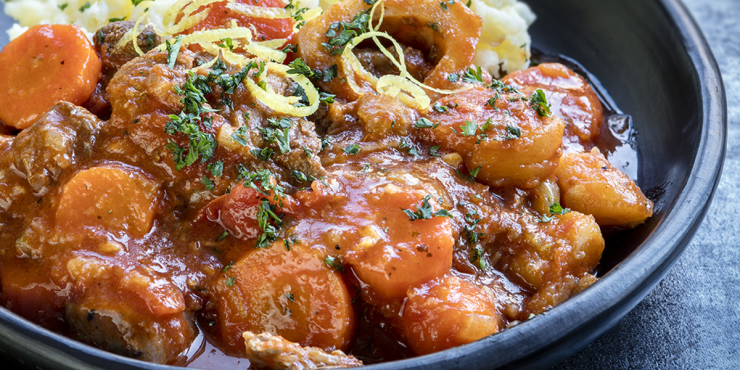
Italian cuisine is famous for its ability to take simple ingredients and transform them into meals that feel both rustic and elegant. Few dishes showcase this balance as beautifully as osso buco. This braised veal shank dish from Milan is deeply flavorful, hearty, and satisfying, while also refined enough to be served at special gatherings. Traditionally paired with gremolata, a zesty mix of parsley, garlic, and lemon, and the luxurious risotto alla Milanese, osso buco is a meal that feels like a celebration of northern Italian cooking. Preparing it at home may sound daunting, but with patience and the right techniques, you can bring this iconic dish to your own table.
The Origins of Osso Buco
Osso buco, meaning “bone with a hole” in Italian, refers to the cross-cut veal shank that is the star of the dish. The marrow-filled bone in the center gives the recipe not only its name but also its incredible depth of flavor. This dish is a hallmark of Milanese cuisine, dating back to at least the 19th century. While some culinary historians suggest that it was a farmer’s way of using tough cuts of meat, others believe it quickly gained fame among Milanese aristocracy for its rich, slow-cooked taste.
In Lombardy, osso buco was originally cooked in a white style (osso buco in bianco), braised with vegetables, broth, and white wine, without the addition of tomatoes. Later, with the increased availability of tomatoes in Italy, the dish evolved into the tomato-rich version most people know today. Both versions are still celebrated, but the tomato-based style has become more widespread outside Italy.
Choosing the Right Veal Shank
The cut of meat is the foundation of this recipe. Veal shanks are prized because they contain both meat and marrow, which work together to create a flavorful, silky braise. Look for pieces cut about 1 ½ to 2 inches thick. Thinner cuts may fall apart during the long braising process, while thicker ones can take too long to tenderize.
If veal is hard to find, beef shanks can be substituted. The flavor will be slightly different, heartier and bolder rather than delicate, but it still produces a satisfying dish. Some modern cooks even experiment with pork shanks, though this takes the dish in a very different direction from its Milanese origins.
The Importance of Slow Braising
Osso buco is not a quick recipe. The beauty of this dish lies in the time it spends simmering gently, allowing the connective tissues in the shanks to break down and the marrow to enrich the sauce. The result is fork-tender meat surrounded by a deeply flavored braising liquid. Rushing this process will leave you with tough, chewy meat rather than the melt-in-your-mouth texture that makes osso buco so special.
Braising typically takes about 2 to 2 ½ hours in the oven at a low temperature. While this may seem like a long time, most of it is hands-off, giving you time to prepare the risotto or simply enjoy the aromas filling your kitchen.
Building the Flavor Base
The key to a great osso buco lies in the sofrito, a mixture of onions, carrots, and celery sautéed in olive oil or butter. This Italian flavor foundation is enhanced with garlic, white wine, tomatoes, and a rich broth. The vegetables add sweetness, the wine lends acidity, and the broth deepens the savoriness of the dish.
Tomatoes, whether crushed or in paste form, bring brightness and body. If you prefer the older, tomato-free version, you can omit them and instead add a bit more white wine and broth. Both approaches are authentic; it just depends on whether you want the slightly fresher, red-sauce finish or the more subtle white style.
Step-by-Step Osso Buco Recipe
Ingredients
For the osso buco:
- 4 veal shanks, 1 ½–2 inches thick
- Salt and freshly ground black pepper
- ½ cup all-purpose flour, for dredging
- 3 tablespoons olive oil
- 2 tablespoons unsalted butter
- 1 medium onion, finely chopped
- 1 carrot, finely chopped
- 1 celery stalk, finely chopped
- 3 cloves garlic, minced
- 1 cup dry white wine
- 1 cup crushed tomatoes (or 2 tablespoons tomato paste)
- 3 cups beef or veal stock
- 2 bay leaves
- 1 sprig fresh rosemary
- 2 sprigs fresh thyme
- Zest of 1 lemon
For the gremolata:
- ¼ cup fresh parsley, finely chopped
- 2 cloves garlic, finely minced
- Zest of 1 lemon
For the risotto alla Milanese:
- 1 ½ cups Arborio rice
- 3 tablespoons unsalted butter
- 1 small onion, finely chopped
- ½ cup dry white wine
- 4 cups chicken or veal stock, kept warm
- 1 pinch saffron threads
- ½ cup grated Parmigiano-Reggiano cheese
- Salt and pepper, to taste
Instructions
- Prepare the shanks: Pat the veal shanks dry with paper towels. Season with salt and pepper, then dredge lightly in flour, shaking off the excess. This will help create a golden crust and thicken the sauce later.
- Brown the meat: In a large heavy pot or Dutch oven, heat olive oil and butter over medium-high heat. Brown the shanks on all sides, about 3–4 minutes per side. Remove and set aside.
- Sauté the vegetables: In the same pot, add onion, carrot, and celery. Cook until softened, about 5 minutes. Stir in garlic and cook for another minute.
- Deglaze with wine: Pour in the white wine, scraping up any browned bits from the bottom of the pot. Let the wine reduce by half.
- Add tomatoes and stock: Stir in the tomatoes (or tomato paste), then add stock. Nestle the browned shanks back into the pot. Add bay leaves, rosemary, thyme, and lemon zest.
- Braise the meat: Bring the mixture to a simmer, then cover and transfer to a preheated oven at 325°F (160°C). Cook for 2 to 2 ½ hours, until the meat is tender and nearly falling off the bone.
- Prepare the gremolata: Combine parsley, garlic, and lemon zest in a small bowl. This will be sprinkled over the finished dish to add freshness.
- Cook the risotto alla Milanese: Melt butter in a saucepan, then sauté onion until translucent. Stir in Arborio rice and cook for 2 minutes. Deglaze with white wine. Gradually add warm stock, one ladle at a time, stirring frequently. Add saffron threads halfway through the cooking process. After about 18–20 minutes, the rice should be creamy but al dente. Stir in Parmesan and season to taste.
- Serve: Place a portion of risotto on each plate. Top with a veal shank, spoon some of the braising sauce over it, and finish with gremolata. Serve hot.
Why Gremolata Matters
The gremolata may seem like a small garnish, but it is essential. The bright lemon, fresh parsley, and pungent garlic cut through the richness of the braised veal, creating balance on the palate. Without it, osso buco can feel heavy, but with gremolata, the dish achieves its perfect harmony.
Pairing with Risotto Milanese
Risotto alla Milanese is the traditional side dish for osso buco, and with good reason. The creamy saffron-infused rice adds a golden hue and luxurious flavor that complements the braised veal. Its delicate richness mirrors the marrow-filled sauce, creating one of the most iconic food pairings in Italian cuisine.
If risotto feels too labor-intensive, creamy polenta or mashed potatoes make good alternatives, though for true authenticity, risotto Milanese is the gold standard.
Wine Pairings
Osso buco pairs beautifully with northern Italian wines. A bright white like Pinot Grigio complements the tomato-based version, while a bold red such as Barolo or Chianti Classico matches the heartiness of the dish. If you’re serving the white style, a crisp Sauvignon Blanc is also a good choice.
Bringing Italian Tradition to Your Table
Cooking osso buco at home isn’t just about following a recipe, it’s about embracing the philosophy of Italian cooking: patience, respect for ingredients, and the joy of sharing food with others. The dish may take hours to prepare, but the reward is a meal that feels timeless, comforting, and celebratory.
By braising veal shanks until tender, pairing them with fragrant gremolata, and serving alongside creamy risotto Milanese, you’ll experience the essence of Milan’s culinary tradition. It’s a dish that bridges rustic farmhouse kitchens and elegant dinner tables, reminding us of why Italian food holds such a beloved place around the world.
Conclusion
Osso buco with gremolata and risotto Milanese is more than a recipe, it’s a lesson in patience and a celebration of flavor. The veal shanks provide a rich, meaty foundation, the braise brings depth and tenderness, the gremolata brightens every bite, and the saffron risotto elevates the dish into something unforgettable. Whether you are cooking for family, hosting a dinner party, or simply indulging in your love of Italian cuisine, this meal is worth every moment of preparation. Once you’ve tasted it, you’ll understand why it remains one of Milan’s greatest culinary gifts to the world.


Add comment