
 Abraham
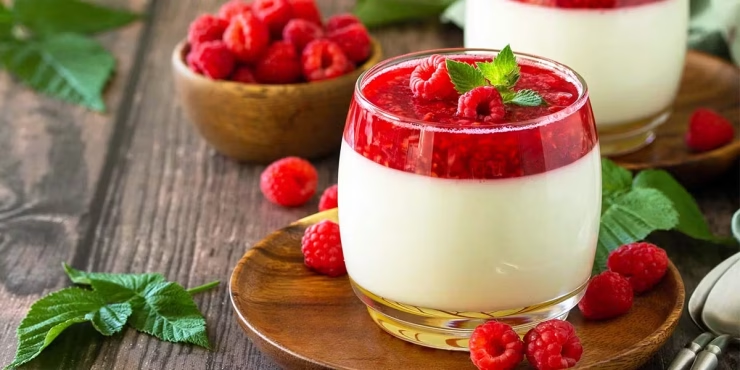
Panna cotta is a classic Italian dessert that exemplifies simplicity, elegance, and flavor. Its name means “cooked cream” in Italian, reflecting the basic yet refined ingredients used to create this silky, creamy dessert. Served chilled with a topping of fresh berries, panna cotta is both visually appealing and delightfully refreshing.
I have always enjoyed making panna cotta because it’s one of those desserts that looks impressive without requiring complicated techniques. The key lies in balancing the cream, sugar, and gelatin to achieve the perfect texture while complementing it with seasonal fruits or a bright sauce. This guide will take you through the history, essential ingredients, step-by-step preparation, flavor variations, and serving ideas for panna cotta with fresh berries.
The History of Panna Cotta
Panna cotta has its roots in the northern region of Italy, particularly in Piedmont. While the exact origin is somewhat debated, it is widely believed to have emerged in the early 20th century. Traditionally, panna cotta was made by gently heating cream, sugar, and gelatin to form a dessert that could be molded and served chilled.
This dessert became popular because of its simplicity and adaptability. Over time, chefs and home cooks began pairing panna cotta with fruit coulis, chocolate, caramel, and, most notably, fresh berries. Today, panna cotta is recognized as a symbol of Italian elegance in desserts and is a favorite worldwide for its creamy texture and delicate flavor.
Essential Ingredients
Creating a classic panna cotta requires just a few ingredients, but quality is crucial:
- Heavy Cream: Provides the silky, creamy base. Whole milk can be used for a lighter version, but heavy cream is traditional.
- Sugar: Granulated sugar balances the richness of the cream.
- Gelatin: Sets the dessert without affecting its smooth texture. Use powdered or sheet gelatin according to instructions.
- Vanilla: Fresh vanilla bean or pure vanilla extract adds depth and aromatic sweetness.
- Fresh Berries: Strawberries, blueberries, raspberries, or blackberries provide a vibrant, tart contrast to the creamy base.
- Optional Lemon Zest or Liqueur: Adds a subtle brightness or complexity to the flavor.
Selecting fresh, high-quality ingredients ensures a silky texture, balanced sweetness, and flavorful berry topping.
Preparing the Cream Base
The cream base is the heart of panna cotta, and proper preparation is essential:
- Bloom the Gelatin: Sprinkle powdered gelatin over a small amount of cold water or milk and let it sit for a few minutes to absorb liquid. This prevents clumping.
- Heat the Cream and Sugar: In a saucepan, gently heat the cream with sugar until the sugar dissolves and the mixture is warm, but not boiling.
- Add Vanilla: Stir in vanilla extract or scrape the seeds from a vanilla bean into the cream.
- Incorporate Gelatin: Remove the cream from heat and whisk in the bloomed gelatin until fully dissolved.
- Cool Slightly: Allow the mixture to cool slightly before pouring into molds to avoid condensation.
Properly preparing the cream base ensures smooth, creamy panna cotta that holds its shape without being rubbery.
Choosing and Preparing Molds
Panna cotta can be served in individual portions or a larger communal mold:
- Individual Cups: Use ramekins, glasses, or small bowls for elegant single servings.
- Large Mold: A single large mold can be sliced into portions after chilling.
- Greasing (Optional): Lightly oiling molds can make unmolding easier for individual portions.
Choose molds that showcase the dessert while providing convenience for serving.
Chilling the Panna Cotta
Chilling is key to setting panna cotta properly:
- Pour Into Molds: Carefully fill each mold with the cream mixture.
- Refrigerate: Cover molds loosely with plastic wrap and refrigerate for at least 4–6 hours, preferably overnight.
- Check Consistency: The dessert should be set but still jiggle slightly when gently shaken.
Proper chilling ensures a firm yet creamy texture that is characteristic of classic panna cotta.
Preparing Fresh Berry Topping
Fresh berries add color, flavor, and acidity to complement the creamy base:
- Wash and Dry Berries: Remove stems and gently pat dry to avoid excess moisture.
- Sweeten Slightly: Toss berries with a small amount of sugar or drizzle with honey if desired.
- Optional Maceration: Let berries sit for 15–30 minutes to release natural juices and create a light syrup.
- Add Citrus Zest: Lemon or orange zest enhances the flavor and adds brightness.
A fresh berry topping balances the richness of panna cotta and provides a visually stunning contrast.
Unmolding Panna Cotta
If serving panna cotta out of molds, proper technique ensures smooth presentation:
- Warm the Mold Slightly: Dip the bottom of each mold in warm water for a few seconds to loosen the dessert.
- Invert Carefully: Place a plate over the mold and gently invert.
- Shake Gently: Tap or shake lightly if needed to release the panna cotta.
For individual servings in glasses, unmolding is unnecessary, but the appearance can be enhanced by layering berries at the bottom before pouring the cream.
Plating and Presentation
Presentation is as important as taste:
- Garnish with Berries: Arrange fresh berries on top for a colorful, fresh look.
- Add Mint Leaves: Fresh mint adds aroma and visual appeal.
- Drizzle with Syrup or Liqueur: Optional berry syrup, honey, or a splash of liqueur can enhance flavor.
- Serve on Elegant Plates: Use white or neutral-colored plates to highlight the dessert’s creamy texture and vibrant berries.
A thoughtful presentation elevates the panna cotta, making it suitable for dinner parties or special occasions.
Flavor Variations
Once familiar with the classic recipe, experiment with flavors:
- Chocolate Panna Cotta: Add melted dark chocolate to the cream base.
- Coffee Panna Cotta: Infuse cream with espresso for a mocha twist.
- Citrus Panna Cotta: Incorporate lemon or orange zest into the cream for a refreshing flavor.
- Berry Layered Panna Cotta: Alternate layers of cream and berry puree for a visually striking dessert.
- Nutty Panna Cotta: Fold in finely ground almonds, pistachios, or hazelnuts for added texture and flavor.
These variations allow creativity while maintaining the classic Italian essence of the dessert.
Tips for Perfect Panna Cotta
- Use Fresh Ingredients: High-quality cream and vanilla enhance flavor and texture.
- Do Not Boil the Cream: Overheating can alter texture and flavor.
- Bloom Gelatin Properly: Prevents clumping and ensures a smooth set.
- Chill Long Enough: Patience is key for a firm yet silky texture.
- Balance Sweetness: Adjust sugar in both cream and berries to suit taste.
Following these tips ensures a professional-quality dessert every time.
Health and Nutritional Considerations
Panna cotta is indulgent but can be enjoyed in moderation:
- Calcium and Protein: Cream provides essential nutrients.
- Lower Sugar Option: Adjust sugar or use natural sweeteners.
- Fruit Benefits: Fresh berries contribute vitamins, antioxidants, and fiber.
- Portion Control: Individual servings help manage caloric intake while still enjoying the dessert.
Enjoying panna cotta with fresh berries allows indulgence while still providing a sense of balance and freshness.
Serving Occasions
Panna cotta with fresh berries is versatile and suitable for a variety of occasions:
- Dinner Parties: A light, elegant dessert to end a meal.
- Summer Gatherings: Refreshing and cool for warm weather.
- Holiday Celebrations: Add festive berries or liqueur to elevate presentation.
- Romantic Dinners: Individual servings in glasses create a sophisticated touch.
- Everyday Treats: Simple, quick, and delicious for a sweet ending to any day.
This dessert’s flexibility makes it an excellent choice for both casual and formal events.
Common Mistakes to Avoid
- Skipping Gelatin Blooming: Can result in uneven setting.
- Overheating Cream: Alters texture and flavor.
- Insufficient Chilling: Leads to runny panna cotta.
- Excess Water on Berries: Dilutes flavor and appearance.
- Over-Sweetening: Can overpower the delicate cream and berries.
Avoiding these mistakes ensures a smooth, creamy, and perfectly balanced dessert.
Bringing Panna Cotta to Your Table
Making panna cotta at home allows you to celebrate Italian culinary traditions with minimal effort. It is a dessert that embodies elegance, simplicity, and sophistication. With just a few high-quality ingredients, careful preparation, and creative touches, you can serve a dessert that delights both visually and in flavor.
Panna cotta with fresh berries is not only a treat for the taste buds but also an opportunity to showcase seasonal produce. Its creamy texture, subtle sweetness, and vibrant berry topping make it a timeless classic in Italian dessert culture.
Whether enjoyed as a casual weekend treat or as the centerpiece of a festive dinner, panna cotta captures the essence of Italian desserts: fresh, flavorful, and beautifully simple.
Conclusion
Panna cotta with fresh berries is a quintessential Italian dessert that balances creamy richness with the tart freshness of berries. By using high-quality ingredients, following proper techniques, and paying attention to presentation, anyone can create a dessert that is both visually stunning and delicious.
From its origins in northern Italy to its status as a worldwide favorite, panna cotta exemplifies the elegance and simplicity of Italian cuisine. Its versatility allows for endless flavor variations while maintaining a classic appeal. Whether served in individual portions, layered with berries, or enhanced with chocolate or citrus, panna cotta remains a dessert that impresses every time.
By mastering this recipe, you can confidently prepare a dessert that embodies authentic Italian flavors, delights the senses, and brings a touch of elegance to any meal. Panna cotta with fresh berries is a dessert that is simple to make, sophisticated to serve, and unforgettable to taste.


Add comment