 Abraham
Italian cuisine is world-famous for its desserts, from tiramisu to cannoli and panna cotta. While these classics are well-loved internationally, Italy is also home to a treasure trove of regional desserts that remain relatively unknown outside their local areas. Exploring these desserts reveals the diversity of Italian culinary traditions and the rich history of ingredients and techniques that vary from region to region.
I have always been fascinated by Italy’s regional desserts. Each one tells a story, often rooted in local ingredients, seasonal traditions, or centuries-old recipes passed down through generations. In this guide, I will introduce you to a selection of regional Italian desserts you may not have heard of, explain their history, ingredients, preparation methods, and share tips for enjoying them authentically at home.
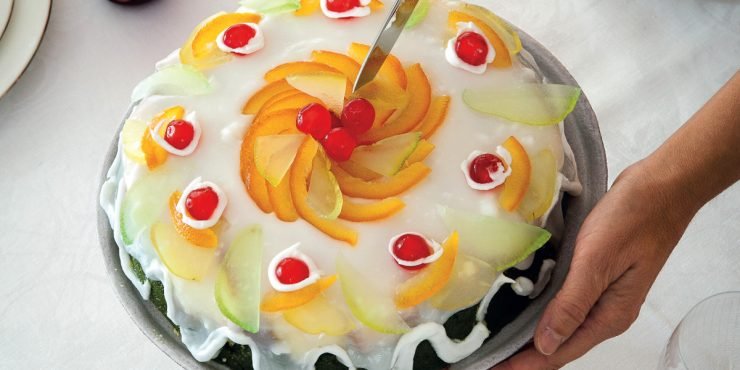
Sicilian Cassata
Sicily is famous for its vibrant and flavorful desserts, and cassata is a standout example. Unlike the typical sponge cakes elsewhere, cassata is a layered dessert made with ricotta cheese, sponge cake, candied fruits, and marzipan.
- History: Cassata traces back to Arab influence during Sicily’s medieval period, where sugar, citrus, and almonds were incorporated into local desserts.
- Ingredients: Fresh ricotta, sugar, eggs, sponge cake, candied citrus peel, marzipan, and sometimes chocolate.
- Preparation: The ricotta filling is blended with sugar and sometimes chocolate or citrus zest. Layers of sponge cake are soaked lightly with liqueur and alternated with the ricotta filling. The cake is then covered with marzipan and decorated with colorful candied fruits.
- Serving Tips: Slice cassata into small portions to enjoy the rich flavors without overwhelming the palate.
Cassata exemplifies the Sicilian flair for bold, colorful, and sweet desserts.
Sardinian Seadas
Seadas, also known as Sebadas, are a unique Sardinian dessert that combines cheese, honey, and fried pastry.
- History: Seadas have ancient roots and are often associated with shepherds and rural Sardinian traditions. They were traditionally made with fresh pecorino cheese.
- Ingredients: Semolina or flour for the pastry, fresh pecorino cheese, lemon zest, and honey.
- Preparation: Cheese is mixed with lemon zest and encased in thin pastry, then deep-fried until golden and crisp. The hot pastries are drizzled generously with honey before serving.
- Serving Tips: Serve immediately after frying to enjoy the contrast between the crisp pastry and the soft, melted cheese inside.
Seadas offer a perfect balance of sweet and savory, showcasing Sardinia’s love for sheep’s milk cheese.
Friulian Gubana
Gubana is a festive pastry from the Friuli region in northeastern Italy, traditionally enjoyed during holidays.
- History: Gubana has been a part of Friulian celebrations for centuries, often made to mark special occasions such as Christmas and weddings.
- Ingredients: Flour, eggs, sugar, butter, milk, dried fruits, nuts, and sometimes grappa or other spirits.
- Preparation: The dough is rolled thin and filled with a mixture of nuts, raisins, and spices. It is then rolled into a spiral shape and baked until golden.
- Serving Tips: Slice gubana thinly to appreciate its dense, nutty filling and serve with coffee or dessert wine.
Gubana reflects the rich, nutty flavors and festive spirit of Friuli.
Apulian Pasticciotto
Pasticciotto is a small, filled pastry hailing from the Apulia region in southern Italy.
- History: Originating in Lecce, pasticciotto has been a beloved treat for centuries, often enjoyed for breakfast or as an afternoon snack.
- Ingredients: Shortcrust pastry, custard or ricotta filling, eggs, sugar, and sometimes chocolate or lemon zest.
- Preparation: The pastry is filled with a creamy custard or ricotta mixture, then baked until golden and slightly crisp.
- Serving Tips: Serve warm for the best experience, or dust with powdered sugar for a simple presentation.
Pasticciotto is an excellent example of the Apulian skill in creating creamy, indulgent pastries.
Tuscan Cavallucci
Cavallucci are spiced cookies from Tuscany, often associated with Siena and enjoyed during Christmas.
- History: These cookies date back to the Renaissance and were originally given as gifts during festivities.
- Ingredients: Flour, sugar, honey, almonds, candied fruit, anise seeds, and spices like cinnamon and nutmeg.
- Preparation: Ingredients are mixed into a dense dough, shaped into small rectangles or horseshoe shapes, and baked until firm.
- Serving Tips: Serve with Vin Santo, a sweet Tuscan wine, for a traditional pairing that enhances the spices and nuttiness.
Cavallucci showcase the Tuscan love for aromatic, spiced confections.
Campanian Struffoli
Struffoli are tiny, fried dough balls coated in honey, traditionally made in Naples during Christmas.
- History: This dessert has Greek origins and became popular in southern Italy over the centuries.
- Ingredients: Flour, eggs, sugar, butter, citrus zest, honey, and colorful sprinkles or candied fruit.
- Preparation: Dough is rolled into small balls, fried until golden, then tossed in warm honey and decorated with sprinkles.
- Serving Tips: Arrange in a mound or ring on a serving plate, making them visually appealing as well as delicious.
Struffoli combines texture, sweetness, and festive flair in a way that embodies Neapolitan celebrations.
Lombardian Torta Paradiso
Torta Paradiso, or “Cake of Paradise,” is a light, airy cake from Lombardy.
- History: Developed in the 19th century, Torta Paradiso became a popular celebratory dessert in northern Italy.
- Ingredients: Flour, eggs, sugar, butter, and sometimes vanilla or lemon zest.
- Preparation: Eggs are whipped with sugar to incorporate air, creating a soft, sponge-like texture. Butter is folded in, and the cake is baked until golden.
- Serving Tips: Dust with powdered sugar and serve with tea, coffee, or a dollop of whipped cream.
Torta Paradiso highlights the northern Italian preference for light, delicate desserts.
Venetian Frittelle
Frittelle are small, fried pastries from Venice, typically enjoyed during Carnival.
- History: Frittelle date back centuries and were traditionally made to celebrate festivals and special occasions.
- Ingredients: Flour, yeast, eggs, sugar, milk, and raisins or pine nuts.
- Preparation: Dough is mixed, allowed to rise, then shaped into small balls and fried. They can be dusted with sugar or filled with custard.
- Serving Tips: Serve warm during Carnival or festive gatherings for the full experience.
Frittelle combine the lightness of fried dough with sweetness and richness, capturing Venice’s celebratory spirit.
Calabrian Pitta ‘mpigliata
Pitta ‘mpigliata is a rolled, filled pastry from Calabria, often made during Christmas.
- History: This dessert has deep roots in Calabrian holiday traditions, passed down through generations.
- Ingredients: Flour, eggs, sugar, olive oil, nuts, raisins, honey, and spices such as cinnamon and cloves.
- Preparation: Dough is rolled thin, filled with a mixture of nuts, raisins, and honey, then rolled and baked until golden.
- Serving Tips: Slice into thin rounds and serve alongside a cup of espresso or Vin Santo.
Pitta ‘mpigliata reflects Calabria’s rustic flavors and the region’s penchant for rich, spiced desserts.
Piedmontese Bonet
Bonet is a traditional Piedmontese dessert that resembles a chocolate custard flan.
- History: Bonet has been a staple in Piedmont for centuries, often served at family gatherings and special occasions.
- Ingredients: Eggs, sugar, milk, cocoa powder, amaretti cookies, and sometimes rum or coffee.
- Preparation: Ingredients are mixed into a smooth custard, poured into molds, and baked in a water bath. The result is a silky, chocolatey dessert with a hint of almond from the cookies.
- Serving Tips: Chill before serving and optionally drizzle with caramel or chocolate sauce.
Bonet showcases the Piedmontese skill in blending chocolate, nuts, and custard into a refined dessert.
Serving and Enjoying Regional Italian Desserts
- Pairing with Drinks: Many of these desserts are best paired with coffee, espresso, or regional dessert wines like Vin Santo or Marsala.
- Presentation: Highlight the unique shapes, colors, and textures to make the desserts visually appealing.
- Portion Control: Many of these desserts are rich, so small portions allow guests to enjoy multiple varieties.
- Seasonal Considerations: Some desserts are associated with holidays or specific seasons, providing context and authenticity to the experience.
Serving regional desserts thoughtfully allows you to experience the full range of Italian flavors and traditions.
Conclusion
Italy’s regional desserts are a window into the country’s rich culinary history, local ingredients, and cultural traditions. From Sicilian cassata to Sardinian seadas, Friulian gubana, Apulian pasticciotto, and Tuscan cavallucci, each dessert offers a unique flavor profile and story. Discovering these lesser-known treats expands our appreciation of Italian cuisine beyond the familiar tiramisu, cannoli, and panna cotta.
Exploring regional desserts allows home cooks to bring Italy into their kitchens, experiment with new flavors, and celebrate the diversity of Italian culinary traditions. Pairing these desserts with coffee, dessert wine, or even a simple


Add comment