 Abraham
Pizza baked on a stone has an unmistakable taste and texture that makes you feel like you are dining in a traditional Italian pizzeria. The stone captures and radiates heat in a way that transforms even the simplest homemade dough into a crisp, golden crust with airy pockets of flavor. Baking pizza at home on a stone can seem intimidating at first, but once you understand the process, it becomes second nature and an immensely satisfying ritual. This guide dives into every detail, from choosing the right stone to mastering dough handling and oven temperature so you can consistently make pizza that rivals what you’d get in Naples or Rome.
Why Use a Pizza Stone?
A pizza stone is essentially a thick, porous slab, most often made from cordierite, ceramic, or baking steel, that retains heat and transfers it evenly to whatever sits on top. Unlike a regular baking tray, which can create hot spots or leave crusts pale and undercooked, a stone acts almost like the hearth of a traditional brick oven. The high surface temperature of the stone immediately begins cooking the dough on contact, creating a crisp base with the desired chewiness. The porous surface also absorbs moisture from the dough, which enhances that signature crunch and prevents sogginess. For those who love authentic Italian pizza, the stone is one of the closest tools you can have at home to mimic a wood-fired oven.
Choosing the Right Pizza Stone
Not all stones are created equal, and the right one can make a huge difference in your baking results. Traditional pizza stones are made of ceramic or cordierite. Ceramic stones tend to be affordable and effective but can be prone to cracking if subjected to sudden temperature changes. Cordierite stones, on the other hand, are designed to withstand extreme heat and thermal shock, making them more durable and reliable over time. Another option is baking steel, which isn’t technically a stone but functions similarly. Steel retains and transfers heat even more efficiently than stone, producing an extra-crisp crust. However, it is heavier and more expensive. If your main goal is to recreate authentic Italian-style pizza, a cordierite stone offers the best balance between performance and practicality.
Preheating the Stone Correctly
One of the most important steps in using a pizza stone is preheating it thoroughly. A common mistake among beginners is to heat the oven but not give the stone enough time to reach the proper temperature. To bake pizza effectively, the stone should be placed in the oven at least 45 minutes to an hour before baking. This allows it to absorb and store enough heat so that when the dough lands on it, the crust begins cooking immediately. The oven should be set to its highest temperature, often between 475°F and 550°F. Italian-style pizza thrives in extremely high heat, and while a home oven can’t reach the 900°F of a wood-fired oven, maximizing your oven’s heat is the next best thing. Skipping the long preheat is almost guaranteed to leave your pizza limp and underwhelming.
Handling Dough for Stone Baking
The way you handle your dough is equally important when baking on a stone. Italian pizza dough should be stretched by hand rather than rolled out with a pin. Rolling compresses the air bubbles that give the crust its airy texture. Stretching gently preserves those pockets of gas and helps the dough achieve that ideal Neapolitan-style lightness. Once stretched, the dough should be placed on a floured pizza peel or a flat baking sheet sprinkled with semolina or cornmeal. This prevents sticking and allows the dough to slide smoothly onto the stone. Practicing this transfer is crucial, as dough that sticks midway can collapse into a messy shape. The less time the dough spends sitting on the peel with toppings, the easier it will slide, so work quickly once the pizza is assembled.
Balancing Toppings the Italian Way
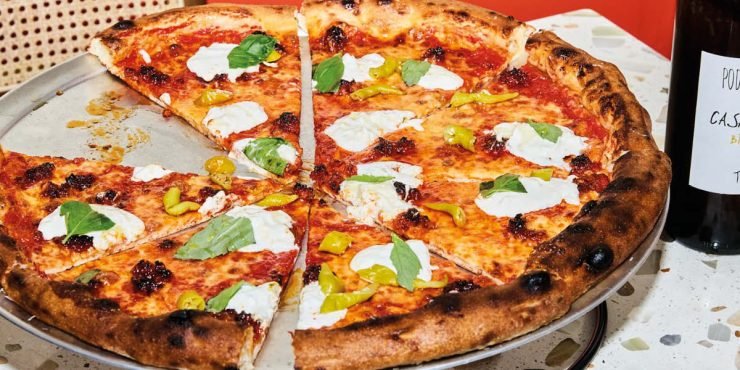
One of the beauties of Italian pizza is its balance, neither too overloaded nor too bare. Baking on a stone works best with modest toppings, as piling on too much can make the crust soggy and prevent even cooking. A light layer of tomato sauce, fresh mozzarella, and a few fresh herbs is enough to showcase authentic flavors. Traditional Italian pizzas like Margherita, Marinara, or Quattro Formaggi shine because they let the crust and ingredients speak for themselves. If you want to add meats or vegetables, cook or drain them beforehand to minimize excess moisture. The stone will give you that crisp base, but it still needs your cooperation in choosing toppings that complement rather than overwhelm.
Using Parchment Paper vs Direct Transfer
Some home bakers use parchment paper to make transferring pizzas onto the stone easier. While this method works and prevents sticking, it can slightly affect how the crust cooks. Direct contact with the stone gives the best results, as the porous surface interacts directly with the dough. If you use parchment, make sure it is trimmed close to the edge of the dough so it doesn’t burn in the high heat of the oven. Many experienced bakers eventually graduate to transferring directly from a peel, as it produces the most authentic crust texture. Practicing this skill will improve your pizzas significantly over time.
Steam and Crispness
In professional pizzerias, wood-fired ovens naturally create a balance of heat and humidity that enhances the crust’s flavor. At home, you can simulate some of this effect by introducing a small pan of hot water into the oven during the initial baking phase. The steam helps the dough expand before the crust fully sets, resulting in a slightly airier texture. Once the crust has puffed, the remaining baking time allows it to crisp beautifully on the stone. This method is optional but can make a noticeable difference, especially if you want to mimic the slightly chewy yet crunchy balance found in Italy.
Rotating for Even Baking
Home ovens rarely heat evenly, and even the best stones can’t compensate for significant hot spots. To counter this, rotate your pizza halfway through baking. A quick spin with a peel ensures that one side doesn’t burn while the other side remains pale. This technique is especially important if you like baking larger pizzas that extend closer to the edges of the oven. Rotating also helps toppings melt and brown evenly, enhancing the overall look and flavor of your pizza.
Avoiding Common Mistakes
There are a few pitfalls to avoid when baking on a stone. First, never place a cold stone into a hot oven. The sudden thermal shock can cause it to crack. Always place the stone in a cold oven and let it heat up gradually. Another mistake is cleaning the stone with soap or soaking it in water. The porous material will absorb the liquid and affect future baking. Instead, simply scrape off any charred bits and wipe the surface dry. Overloading with toppings is another common misstep that leads to soggy results. Finally, patience is key, rushing the preheat or removing the pizza too soon robs you of the crispy crust you’re aiming for.
Comparing Stone to Steel
While pizza stones are the traditional choice, some home bakers prefer baking steel. Steel conducts heat faster and can achieve even more dramatic browning. It is also nearly indestructible. However, it is significantly heavier, harder to handle, and often more expensive. If you want an extra-crisp crust and are comfortable managing the weight, steel is worth considering. Still, for many home cooks seeking a balance of authenticity and convenience, a cordierite stone remains the gold standard.
Making the Most of Your Stone
Beyond pizza, your stone can be used for other Italian-inspired baked goods such as focaccia, calzones, and even rustic loaves of bread. Treating it as a versatile baking surface extends its value and helps you practice the same techniques of heat management and dough handling. Over time, your stone will darken and develop a patina that actually improves its performance. Think of it as seasoning, like a cast-iron skillet, that adds to the richness of your cooking tradition at home.
Bringing Italian Tradition Home
What makes stone baking special is not only the results but also the ritual. Preheating the oven, shaping the dough, sliding the pizza onto the hot stone, these steps connect you to the centuries-old traditions of Italian pizza-making. Each pizza you bake is an opportunity to refine your craft and bring a slice of Italy into your home. Whether you are preparing a simple Margherita for yourself or a feast for friends, the stone becomes your bridge to the flavors and textures that define authentic Italian pizza.
Conclusion
Baking pizza on a home oven stone is both an art and a science. It requires attention to detail, patience, and a willingness to practice, but the rewards are immense. From the crackling sound of the crust as you slice into it to the aromas that fill your kitchen, each stone-baked pizza carries a touch of Italian heritage. Choosing the right stone, preheating it properly, mastering dough handling, and balancing your toppings are all essential steps. With time, your pizzas will not only improve but also carry the unmistakable character of authentic Italian cooking. Once you’ve mastered the use of a stone, you may find yourself reaching for delivery menus less often and instead enjoying the satisfaction of making pizza that tastes like it was baked in a wood-fired oven, right in your own kitchen.


Add comment