
 Abraham
Tiramisu is one of Italy’s most celebrated desserts, loved worldwide for its rich layers, delicate flavors, and irresistible texture. Its name, which means “pick me up” in Italian, perfectly captures the dessert’s combination of coffee, cocoa, and creamy mascarpone that awakens the senses and satisfies the sweet tooth.
I have always been drawn to making tiramisu at home because it allows me to combine simple, high-quality ingredients into a dessert that feels luxurious yet approachable. While the layered dessert might appear complex at first glance, understanding the steps and techniques makes it entirely achievable, even for beginners.
In this guide, I will walk you through the history of tiramisu, essential ingredients, step-by-step instructions, tips for achieving the perfect texture, variations, and serving suggestions. By the end, you will have all you need to create an authentic Italian tiramisu that impresses every time.
The Origins of Tiramisu
Tiramisu has a somewhat debated origin story, with claims from the Veneto and Friuli regions of northern Italy. Its modern form, with layers of coffee-soaked ladyfingers and mascarpone cream, is generally believed to have been popularized in the 1960s and 1970s.
Traditional tiramisu was served as a layered dessert in restaurants and cafes, often featuring espresso, cocoa powder, sugar, eggs, and mascarpone. Over the decades, it has become a global symbol of Italian dessert excellence, inspiring countless variations, from fruit-infused tiramisu to chocolate and liqueur adaptations.
Despite the variations, the essence of tiramisu remains: a delicate balance of coffee, creamy filling, and subtle sweetness, layered into a dessert that is both comforting and elegant.
Essential Ingredients
Using high-quality ingredients is crucial for an authentic tiramisu.
- Mascarpone Cheese: This Italian cream cheese provides the rich, smooth texture that defines the dessert.
- Eggs: Separate into yolks and whites; yolks add richness, while whipped whites provide lightness.
- Sugar: Granulated sugar sweetens the cream, balancing the bitterness of the coffee.
- Espresso or Strong Coffee: Brewed espresso gives tiramisu its signature flavor. Avoid instant coffee for best results.
- Ladyfingers (Savoiardi): These light, crisp cookies soak up coffee without becoming mushy.
- Cocoa Powder: Unsweetened cocoa dusted on top adds color and a slight bitterness that complements the sweet cream.
- Optional Liqueur: Marsala wine, rum, or coffee liqueur enhances flavor.
High-quality ingredients are the foundation for achieving the authentic taste and texture of traditional tiramisu.
Preparing the Coffee
The coffee soak is crucial for flavor and texture:
- Brew strong espresso or coffee and allow it to cool to room temperature.
- Add optional liqueur if desired, such as Marsala, rum, or coffee-flavored liqueur.
- Pour the coffee mixture into a shallow dish for easy dipping of ladyfingers.
The coffee soak should infuse the ladyfingers without making them soggy, providing a rich coffee flavor in every bite.
Preparing the Mascarpone Cream
The mascarpone cream is the heart of tiramisu:
- Whisk Egg Yolks and Sugar: In a heatproof bowl, whisk egg yolks with sugar over a double boiler until the mixture becomes pale and slightly thickened.
- Cool Slightly: Allow the yolk mixture to cool before combining with mascarpone to maintain texture.
- Add Mascarpone: Gently fold mascarpone into the yolk mixture until smooth.
- Whip Egg Whites: In a separate bowl, beat egg whites to soft peaks. This lightens the cream and adds volume.
- Fold Whites into Mascarpone Mixture: Carefully fold whipped egg whites into the mascarpone mixture to maintain airiness.
The result should be a silky, creamy filling that is neither too dense nor too runny.
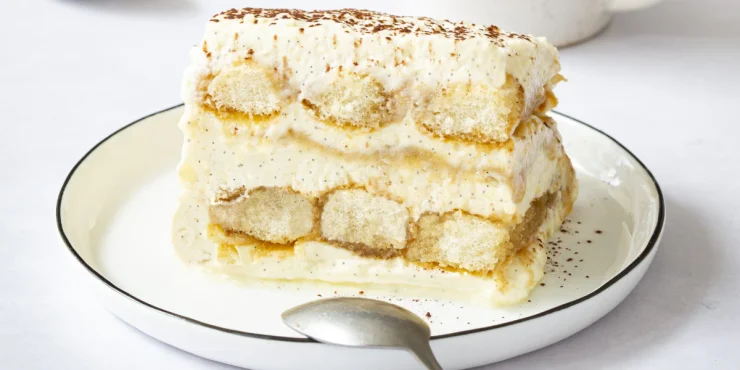
Assembling Tiramisu
- Dip Ladyfingers: Quickly dip each ladyfinger into the coffee mixture. Avoid soaking too long, as they will become soggy.
- Layering: Arrange a layer of dipped ladyfingers at the bottom of a serving dish.
- Add Mascarpone Cream: Spread half of the mascarpone cream over the ladyfingers.
- Repeat Layers: Add another layer of dipped ladyfingers and top with the remaining mascarpone cream.
- Smooth the Surface: Use a spatula to create an even top layer for dusting cocoa.
Layering correctly ensures that each bite contains both coffee-soaked cookies and creamy mascarpone.
Dusting with Cocoa
The finishing touch is a dusting of cocoa powder:
- Use a fine-mesh sieve to sprinkle cocoa evenly over the top.
- Avoid adding cocoa too early, as moisture from the cream may cause clumping.
- For extra visual appeal, consider adding chocolate shavings or a light drizzle of coffee liqueur.
Cocoa adds subtle bitterness and enhances the dessert’s appearance.
Chilling Tiramisu
Chilling is essential to allow flavors to meld:
- Cover the tiramisu with plastic wrap.
- Refrigerate for at least 4–6 hours, ideally overnight.
- Serve chilled, allowing the dessert to firm up and the flavors to develop fully.
Proper chilling enhances texture, flavor, and overall enjoyment of the dessert.
Tips for Perfect Tiramisu
- Use Fresh Ingredients: Fresh eggs and mascarpone elevate the flavor.
- Don’t Over-Soak Ladyfingers: Quick dips prevent a soggy dessert.
- Fold Gently: Preserve the airiness of the whipped egg whites for a light, creamy texture.
- Use High-Quality Cocoa: Unsweetened cocoa powder provides the best balance.
- Taste as You Go: Adjust sugar, coffee, or liqueur to suit your palate.
These tips ensure that your tiramisu is authentic, balanced, and indulgent.
Variations of Tiramisu
While classic tiramisu is timeless, small adjustments can create exciting variations:
- Fruit Tiramisu: Add berries or sliced peaches for a fruity twist.
- Chocolate Tiramisu: Layer with chocolate ganache or cocoa nibs for extra richness.
- Nutty Tiramisu: Sprinkle toasted almonds, hazelnuts, or pistachios between layers.
- Liqueur-Free Version: Use coffee alone for a family-friendly dessert without alcohol.
- Mini Tiramisu Cups: Prepare individual servings in glasses for an elegant presentation.
Experimenting with variations allows you to tailor tiramisu to different occasions and preferences.
Serving Suggestions
Tiramisu can be served in a variety of ways:
- Individual Portions: Serve in small glasses or ramekins for a refined touch.
- Large Family Style: Present in a rectangular or square dish for casual gatherings.
- With Coffee: Pair with espresso or cappuccino to enhance the coffee flavors.
- With Dessert Wine: Marsala, Vin Santo, or a sweet Italian dessert wine complements the richness.
- Garnishing: Dust lightly with cocoa, add chocolate shavings, or sprinkle a few coffee beans on top for visual appeal.
Thoughtful presentation elevates tiramisu and creates an inviting dessert experience.
Common Mistakes to Avoid
- Over-Soaking Ladyfingers: Leads to a mushy texture.
- Using Low-Quality Ingredients: Mascarpone, coffee, and cocoa should be high quality.
- Skipping Chilling Time: Prevents the dessert from setting properly.
- Over-Whipping Cream: Can lead to a grainy texture instead of smooth, airy cream.
- Incorrect Layering: Uneven layers affect the balance of flavors in each bite.
Avoiding these mistakes ensures a successful, authentic tiramisu every time.
Bringing Authentic Tiramisu to Your Table
Making tiramisu at home is a rewarding experience that highlights the elegance of Italian desserts. From selecting fresh ingredients to assembling layers and chilling, each step contributes to a balanced, flavorful dessert.
Tiramisu embodies Italian culinary principles: simplicity, balance, and freshness. Even with minimal ingredients, careful preparation transforms them into a dessert that delights visually and in flavor.
Whether served at a casual family meal or a sophisticated dinner party, tiramisu impresses with its layers, aroma, and indulgence. It’s a dessert that connects tradition with modern dining, allowing you to bring the taste of Italy into your home.
Conclusion
Tiramisu is a quintessential Italian dessert that combines coffee-soaked ladyfingers, creamy mascarpone, and a hint of cocoa into a luxurious, yet approachable treat. By using high-quality ingredients, following proper techniques, and taking care with layering and chilling, anyone can achieve the authentic flavors and textures of this classic dessert.
From its debated origins in northern Italy to its status as a worldwide favorite, tiramisu represents the beauty of Italian cuisine: simplicity elevated to perfection. Whether enjoyed in small individual servings or a large family-style dish, tiramisu brings elegance, comfort, and indulgence to the table.
By mastering this recipe, you can confidently create a dessert that is authentic, memorable, and undeniably delicious, embodying the true spirit of Italian culinary tradition.


Add comment