
 Abraham
Italian cuisine is celebrated worldwide for its ability to transform the simplest of ingredients into dishes that exude elegance, warmth, and rich tradition. One of the most beloved examples of this culinary mastery is veal scaloppine with lemon, or scaloppine al limone. This dish, which hails from Italy’s northern regions, combines tender slices of veal with the brightness of fresh lemon to create a meal that is both light and luxurious. It’s a dish that showcases the Italian philosophy of cooking, let the ingredients shine, balance flavors with care, and allow food to tell a story that connects the diner to a specific place and culture.
In this guide, we’ll explore the history, techniques, and variations of veal scaloppine with lemon, giving you everything you need to cook it like a true Italian. We’ll also look at how to select the best veal, why lemons are so central to the dish, and the best sides to serve alongside this classic. By the end, you’ll not only understand how to cook veal scaloppine al limone but also how to appreciate its place in the grand tradition of Italian gastronomy.
The Origins of Scaloppine
The word scaloppine refers to thin slices of meat, most often veal, though chicken and pork versions are also common today. The technique of pounding meat thin and cooking it quickly is centuries old, prized because it creates tender results without long cooking times. In Italy, veal has historically been the meat of choice for many elegant dishes, particularly in the northern regions where cattle farming was more prevalent.
Scaloppine al limone specifically has roots in Lombardy, a region of northern Italy where veal is a staple. This dish was a favorite in the trattorias of Milan, a city known for refined cooking that blends richness with delicacy. Unlike heartier stews and roasts from southern Italy, this dish is light and fresh, making it a wonderful choice for warm afternoons or elegant dinners.
The use of lemon in Italian cooking also connects to the Mediterranean climate, where citrus fruits flourish. In Lombardy, lemons imported from southern Italy or from nearby Lake Garda were prized for their ability to brighten rich meat dishes. The combination of veal and lemon became a signature of Milanese cuisine, representing the balance Italians strive for: richness tempered by freshness, simplicity elevated through quality.
Choosing the Right Veal
The success of veal scaloppine al limone depends heavily on the quality of the meat. Veal should be pale pink in color, finely grained, and free of excessive fat. The cuts most often used are veal leg or veal loin, as these provide tenderness and flavor without requiring long cooking times.
When purchasing veal, ask your butcher to slice it thinly, around 1/8 inch (3 mm) is ideal. If the slices are thicker, you can pound them gently with a meat mallet at home, placing them between sheets of parchment or plastic wrap to avoid tearing. The pounding not only ensures uniform cooking but also helps tenderize the meat.
If veal is not available or if you prefer an alternative, chicken breast or pork loin can be substituted. However, the flavor and texture will be slightly different. Veal offers a delicate flavor that perfectly balances with the bright acidity of lemon, making it the most authentic and traditional choice.
The Role of Lemon
The lemon is what transforms this dish from a simple sautéed veal into something extraordinary. Its juice and zest bring a burst of brightness that cuts through the richness of the meat and butter. In Italian cooking, lemon often serves as a seasoning, much like salt or olive oil, it’s used to highlight flavors rather than overwhelm them.
When making scaloppine al limone, it’s best to use fresh lemons, preferably organic and untreated, since both juice and zest are often included in the sauce. Avoid bottled lemon juice, as it lacks the freshness and subtle aromatics of freshly squeezed citrus. A good trick is to zest the lemon before juicing it, ensuring you capture the fragrant oils from the peel.
Classic Recipe for Veal Scaloppine al Limone
Here’s a step-by-step recipe that stays true to tradition, with techniques and tips to help you master it at home.
Ingredients
- 1 pound (450 g) veal scaloppine, sliced thin
- 1/2 cup all-purpose flour, for dredging
- 4 tablespoons unsalted butter
- 2 tablespoons olive oil
- 1/2 cup dry white wine (optional, but traditional in northern Italy)
- Juice of 2 lemons, plus zest of 1 lemon
- 1/2 cup chicken or veal stock
- Salt and freshly ground black pepper, to taste
- Fresh parsley, chopped, for garnish
Method
- Prepare the veal: Pat the slices dry with paper towels, season lightly with salt and pepper, then dredge them in flour, shaking off the excess. This flour coating helps the meat brown nicely and also thickens the sauce later.
- Cook the veal: In a large skillet, heat the olive oil and half the butter over medium-high heat. When hot, add the veal slices in batches, cooking just 1–2 minutes per side until golden. Remove the veal to a plate and keep warm.
- Deglaze the pan: Add the white wine to the skillet, scraping up any browned bits. Let the wine reduce by half. If not using wine, simply proceed to the next step with stock.
- Make the sauce: Add the chicken or veal stock, lemon juice, and zest. Bring to a gentle simmer, then whisk in the remaining butter for a smooth, glossy sauce. Taste and adjust seasoning with salt and pepper.
- Finish the dish: Return the veal slices to the skillet, turning them in the sauce for a minute or two until warmed through and coated.
- Serve: Transfer the veal to plates, spooning sauce over the top, and garnish with chopped fresh parsley.
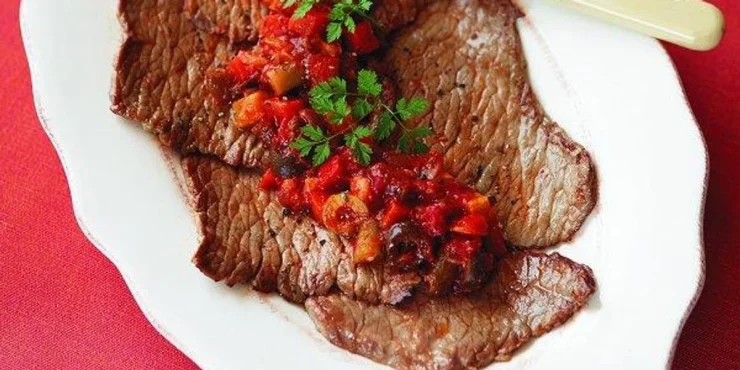
The result is a tender veal cutlet bathed in a silky lemon sauce, a dish that is simultaneously comforting and refined.
Pairing with Side Dishes
To enjoy scaloppine al limone like an Italian, pair it with side dishes that complement rather than compete. In Milan, it’s often served with risotto alla Milanese (saffron risotto) or simple buttered pasta. For lighter fare, sautéed spinach, steamed asparagus, or roasted potatoes make excellent companions.
A crisp green salad dressed with olive oil and lemon juice also pairs beautifully, echoing the citrus notes of the main dish. Bread is a must, ideally a rustic Italian loaf perfect for mopping up the lemony sauce.
Wine Pairings
Wine is an essential part of the Italian dining experience, and choosing the right bottle enhances the flavors of the dish. For scaloppine al limone, a crisp white wine works best. Pinot Grigio, Verdicchio, or Soave from northern Italy are excellent choices. These wines have the acidity to balance the lemon sauce while remaining light enough not to overpower the delicate veal.
If you prefer red wine, opt for something light and fruity like a Dolcetto or Barbera. However, whites are the traditional choice for this dish.
Variations of Scaloppine
While veal with lemon is a classic, Italian cooking is full of variations on scaloppine. Some popular versions include:
- Scaloppine al Marsala: Made with sweet Marsala wine, creating a rich and slightly caramelized sauce.
- Scaloppine ai Funghi: Featuring mushrooms sautéed with garlic and parsley.
- Scaloppine alla Pizzaiola: Cooked with tomatoes, garlic, and oregano, giving it a more rustic, southern flavor.
Each version reflects different regional tastes, but the lemon variation remains one of the most popular for its fresh and elegant character.
Cooking Tips for Success
- Don’t overcook the veal: Because the slices are so thin, they cook in minutes. Overcooking will make them tough.
- Use fresh lemon juice: This makes all the difference in the brightness of the sauce.
- Balance butter and oil: Butter gives richness, while olive oil prevents it from burning.
- Cook in batches: Avoid overcrowding the pan, which prevents proper browning.
- Finish with parsley: Fresh herbs add color and flavor, elevating the final presentation.
The Cultural Significance of Veal Scaloppine al Limone
In Italy, food is never just about eating, it’s about culture, history, and connection. Scaloppine al limone is more than a recipe; it’s a reflection of northern Italy’s culinary identity. It shows the region’s preference for lighter, refined dishes compared to the hearty pastas and tomato-based meals of the south.
This dish is often served for family gatherings, Sunday lunches, or special occasions, striking a balance between elegance and simplicity. It’s also a favorite in Italian-American cuisine, where it became a staple in trattorias across the United States, often adapted with chicken instead of veal due to availability.
Bringing Scaloppine al Limone into Your Kitchen
Making veal scaloppine with lemon at home is a way of bringing a piece of Italy into your dining room. The dish doesn’t require hours in the kitchen or a long list of ingredients. Instead, it asks for care, good technique, and an appreciation of quality ingredients.
When you cook this dish, you participate in a culinary tradition that spans generations. From the markets of Milan to trattorias in Rome and family kitchens in Naples, the love for scaloppine al limone remains strong. Each plate tells a story of Italian pride, the importance of balance in cooking, and the joy of sharing meals with loved ones.
Conclusion
Veal scaloppine with lemon is a dish that embodies the heart of Italian cooking: elegant simplicity. With its tender meat, vibrant sauce, and ability to pair beautifully with a variety of sides and wines, it’s a meal that feels both sophisticated and comforting. Whether you’re preparing it for a quiet dinner at home or as the centerpiece of a family gathering, scaloppine al limone is sure to impress.
By mastering the art of veal scaloppine, you’re not just learning a recipe, you’re connecting to a rich culinary heritage. It’s a dish that has stood the test of time because it captures the essence of what makes Italian food so beloved worldwide: the harmony of flavors, the respect for ingredients, and the joy of bringing people together at the table.


Add comment